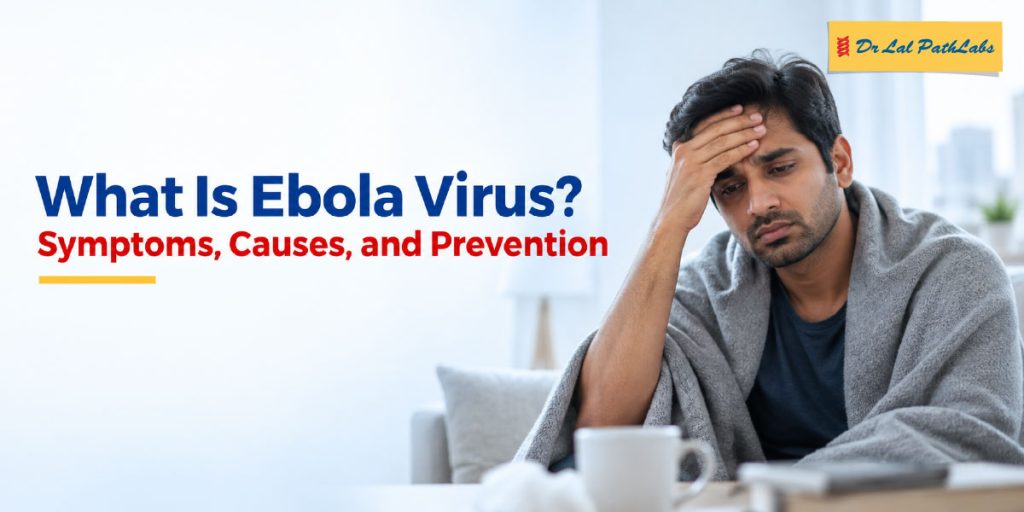
The Ebola virus is one of the most serious infectious diseases in the world. It causes severe illness in humans and has been associated with high mortality rates. While most cases occur in parts of Africa, global travel has made Ebola disease a serious concern beyond the continent.
Understanding how the Ebola virus transmits, what early warning signs look like, and how it can be prevented is important for early detection and medical intervention.
What is the Ebola Virus?
The Ebola virus belongs to a group of viruses that attack the body’s blood vessels, causing a condition called viral hemorrhagic fever. This damage can lead to severe bleeding, neurological problems, and organ failure.
Ebola fever is caused by several strains of the Orthoebolavirus family. The strains differ depending on how severe they are and how likely they are to cause death:
- Zaire ebolavirus: This is the most common strain and is responsible for most major outbreaks and deaths.
- Sudan virus: This type is less common but highly deadly.
- Bundibugyo virus: This is the least likely to cause death among the known strains.
What Causes the Ebola Virus?
Fruit bats are the most likely natural carriers of the Ebola virus. They carry the virus without getting sick themselves. The virus is transmitted to humans when people come into close contact with infected animals, including chimpanzees, gorillas, monkeys, and forest antelopes.
Once the virus reaches humans, it spreads through direct exposure to an infected person’s blood or body fluids. This includes saliva, sweat, semen, urine, and stool. Contaminated surfaces, medical equipment, and bedding can also carry the virus.
That said, Ebola does not spread through the air. Coughing, sneezing, or casual contact with an infected person does not transmit the disease.
What are the Risk Factors of the Ebola Virus?
The biggest risk factor for Ebola disease is close contact with an infected person. Two groups have a particularly high risk:
- Healthcare workers treat Ebola patients without adequate protective equipment.
- Family members and caregivers in direct contact with an infected person or someone who died from the disease.
What are the Symptoms of Ebola Virus?
Ebola virus symptoms typically appear between 2 and 21 days after exposure. The illness usually develops in stages. Early symptoms feel similar to the flu:
- Fever, chills, and sore throat
- Severe headache
- Muscle pain
- Fatigue
- Loss of appetite
Within a few days, Ebola virus symptoms become more serious:
In the most severe stage, the virus can cause organ failure, seizures, and dangerous internal or external bleeding.
How is Ebola Virus Diagnosed?
Diagnosing Ebola disease can be slightly complicated. Its early symptoms often resemble other illnesses like malaria, typhoid fever, and meningitis, making it easy to miss initially.
Doctors typically begin by reviewing the patient’s symptoms, health history, and any recent travel to regions with active outbreaks. If they suspect the Ebola virus, they may recommend a blood test called a PCR test to confirm if the virus is present in the body.
How is Ebola Virus Treated?
Ebola treatment focuses on two approaches: targeting the virus directly and managing Ebola virus symptoms as they develop.
For the Zaire strain specifically, doctors use approved monoclonal antibody treatments (cEbanga and Inmazeb), which help the immune system fight the infection. Along with this, they also recommend supportive care, including:
- IV fluids to prevent dehydration
- Oxygen therapy
- Pain relief medication
- Medication to stabilise blood pressure
Currently, there is no approved treatment for other Ebola strains.
Ebola is a serious disease. Early detection and treatment are critical to save lives. If any symptoms of infection appear, one must get tested quickly. Book an infection test easily through the Dr Lal PathLabs app.
FAQs
- What is the Ebola virus?
The Ebola virus causes a fatal disease in humans. It damages the body’s blood vessels and can lead to serious bleeding, organ failure, and neurological complications. - What are the causes of the Ebola virus?
Ebola spreads when one comes in direct contact with the blood or body fluids of an infected individual or animal. The virus also spreads through contaminated surfaces, sexual contact, and the handling of deceased infected individuals.