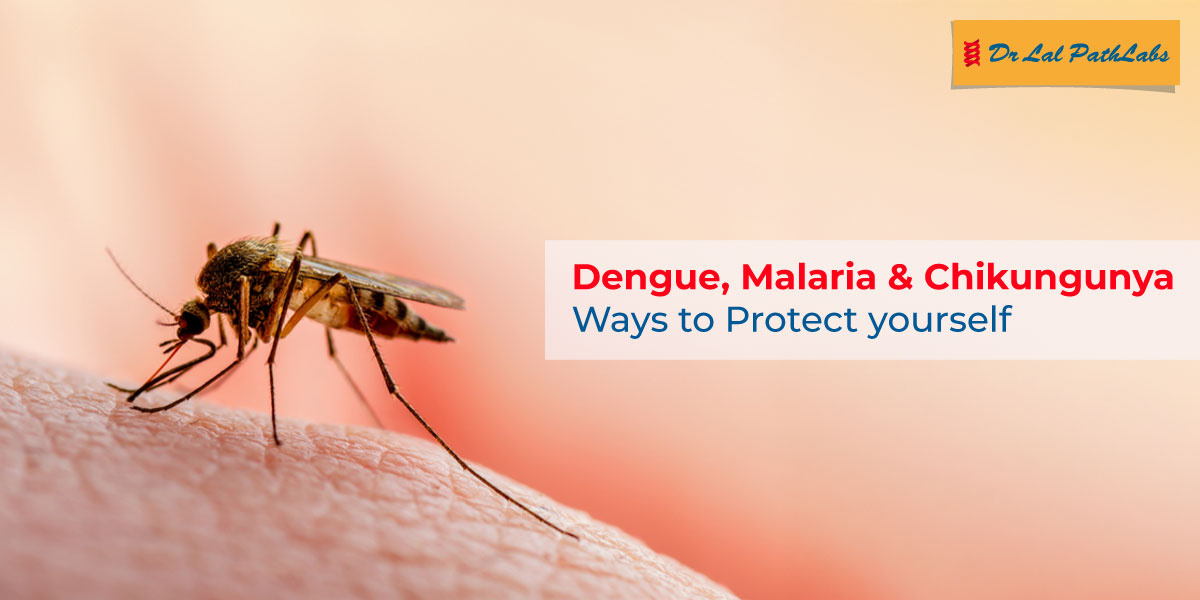
Dengue fever, malaria, and chikungunya are mosquito-borne diseases affecting millions in India. These illnesses are widespread, particularly during the monsoon season when mosquito breeding spikes. Since these diseases share similar symptoms and transmission modes, understanding their causes, symptoms, and prevention strategies is essential for protecting public health.
This article discusses the causes, risk factors, symptoms, diagnostic methods, and effective prevention strategies for these diseases.
What are Dengue, Malaria, and Chikungunya?
Dengue fever, malaria, and chikungunya are mosquito-borne diseases that can lead to severe health complications. While dengue and chikungunya are viral infections, malaria is caused by a parasite. Although these diseases have different causes, they are all transmitted through mosquito bites.
- The dengue virus causes dengue fever and primarily spreads through the Aedes aegypti mosquito.
- Malaria is a parasitic infection resulting from the Plasmodium parasite, spread through the bite of an infected female Anopheles mosquito.
- Chikungunya disease results from the chikungunya virus, transmitted by Aedes mosquitoes.
What Causes These Diseases?
The primary cause of these diseases is the bite of an infected mosquito. Several factors contribute to their spread:
- Stagnant Water: Mosquitoes breed in water-filled containers, drains, and other areas.
- High Temperatures and Humidity: These conditions are favourable for mosquito breeding.
- Lack of Preventive Measures: Not using mosquito repellents or nets increases the risk of infection.
- Uncontrolled Urbanization: Poor sanitation and water-logging create ideal mosquito breeding grounds.
What are the Risk Factors?
Certain groups are at a higher risk of severe complications from these diseases:
- Children and elderly individuals.
- People with weak immune systems.
- Pregnant women.
- Individuals living in high-risk areas with poor sanitation.
What Are the Symptoms of Malaria, Dengue, and Chikungunya?
Symptoms of malaria and dengue fever can often overlap, making diagnosis difficult. Here are the key symptoms:
1. Dengue Fever:
- High fever (up to 104°F)
- Severe headache and joint pain
- Skin rashes
- Nausea and vomiting
- Severe cases of dengue fever can progress to dengue haemorrhagic fever (DHF), causing plasma leakage, internal bleeding, and, in extreme cases, organ failure
2. Malaria:
- Recurring fever with chills
- Sweating and body aches
- Fatigue and weakness
- Severe cases may lead to anaemia and organ damage
3. Chikungunya:
- Sudden high fever
- Severe joint pain that may last for months
- Skin rashes
- Headache and muscle pain
If not treated on time, these diseases can cause serious health problems and take longer to recover from. Early diagnosis and treatment help prevent complications.
How Are Dengue, Malaria, and Chikungunya Diagnosed?
A dengue test, malaria test, and chikungunya test are crucial for diagnosing mosquito-borne diseases. The following tests help confirm infections:
- Dengue Test: Doctors can recommend a Complete Blood Count (CBC) to monitor platelet levels in severe cases.
- Malaria Test: A malaria test detects malaria parasites in the blood. Sometimes, a malaria test, such as a Rapid Diagnostic Test (RDT), helps with quicker detection.
- Chikungunya Test: A blood sample test confirms the presence of the chikungunya virus. A chikungunya test checks for antibodies to determine if the infection is recent or past.
How to Control the Spread of Dengue, Malaria, and Chikungunya?
Preventing mosquito bites is the most reliable way for how we can control the spread of malaria or dengue and reduce infection rates. Here are 5 ways to prevent malaria, chikungunya, and dengue fever:
- Eliminate Mosquito Breeding Sites: Remove stagnant water, keep drains clean, and cover water tanks to prevent mosquito breeding in surrounding areas.
- Use Mosquito Protection Methods: Sleep under insecticide-treated mosquito nets, install screens, and apply repellents for prevention of dengue and malaria.
- Adopt Safe Home Practices: Spray insecticides, cover garbage, and use mosquito coils for dengue prevention.
- Use Protective Clothing: Cover arms and legs with light-coloured, loose-fitting clothing and avoid dark colours, as they attract mosquitoes.
- Encourage Community Efforts: Join mosquito control drives and promote government fogging programs for dengue, malaria and chikungunya prevention.
Dengue, malaria, and chikungunya tests help detect infections early, especially in individuals experiencing high fever, severe joint pain, chills, or fatigue. Testing is also recommended for people at greater risk, including young children, elderly individuals, pregnant women, and those with weakened immune systems.
For expert evaluation and accurate diagnosis, consult a healthcare professional and book a dengue test, malaria test, or chikungunya test with Dr Lal PathLabs.
FAQs
Q1. How long does it take to recover from dengue, malaria, or chikungunya?
Recovery varies. Chikungunya and dengue fever symptoms last 7-10 days, while malaria treatment duration depends on the severity.
Q2. Can a single mosquito bite cause infection?
Yes, a single bite from an infected mosquito can transmit dengue, malaria, or chikungunya. If symptoms like fever or joint pain occur, taking a dengue test, malaria test, or chikungunya test can help confirm the infection.
Q3. Are these diseases contagious?
No, malaria, chikungunya, and dengue fever do not spread from person to person. They are only transmitted through the bite of an infected mosquito, not through physical touch or the air.