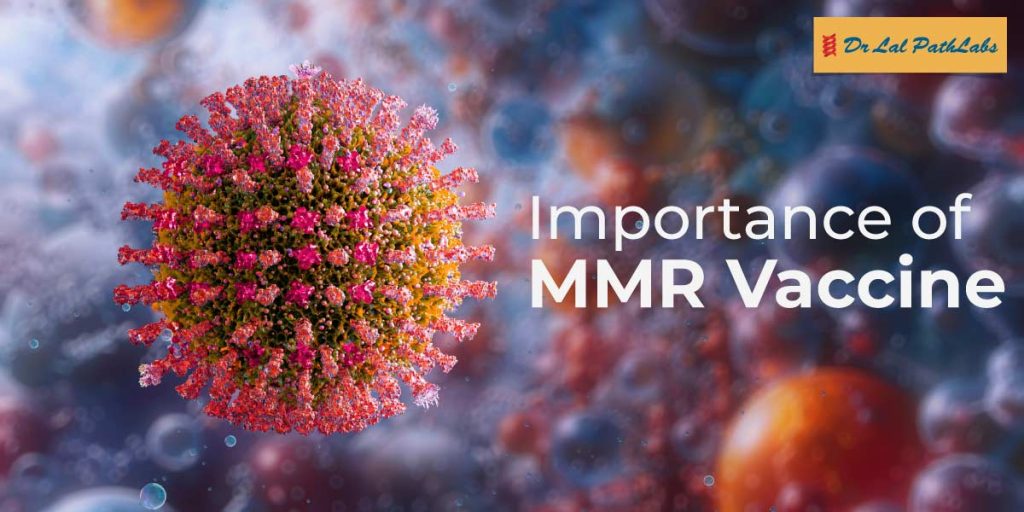
Measles, mumps and rubella were once common childhood diseases that are highly contagious and can cause serious complications, including deafness, pneumonia, brain inflammation and in some cases, death. The development and spread of the MMR vaccine around the world has significantly reduced these diseases.
This article explores what the MMR vaccine is and the diseases it protects against.
What Is MMR Vaccine?
The MMR vaccine is a combination of 3 live attenuated vaccines that protect children against measles, mumps and rubella. The measles vaccine, mumps vaccine and rubella vaccine were developed in the 1960s and later combined into one shot in 1971. Since its introduction, the MMR vaccine has played a huge role in reducing the spread of these once-common childhood diseases across the world.
The measles, mumps and rubella vaccine works by introducing weakened forms of the measles, mumps and rubella viruses into the body. This stimulates the immune system to produce antibodies without causing the actual disease. As a result, if a vaccinated person is later exposed to any of these viruses, their immune system is already prepared to fight off the infection quickly and easily.
What are Measles, Mumps, Rubella Disease?
Measles, mumps and rubella are highly contagious viral infections that can affect children, adults and pregnant women. They are transmitted through the respiratory droplets of an infected person. One doesn’t have to come in direct contact with the affected person to contract measles, mumps or rubella, as their respiratory droplets can stay suspended in the air for a few hours.
What Is Measles?
Measles temporarily suppresses a person’s immune system, increasing the risk of acquiring other infectious diseases. Symptoms of measles include
- High fever
- Watery eyes
- Koplik spots inside the mouth (raised bluish-white spots)
- Lack of appetite
- Diarrhoea
Measles Complications
- Ear infection
- Encephalitis (swelling of the brain)
- Pneumonia
- Blood clotting disorder
- SSPE or subacute sclerosing panencephalitis (a disease that causes neurological decline and death)
What Is Mumps?
The mumps-causing virus affects salivary glands, specifically the parotid gland located below the ear. It mostly affects children and young adults. In many cases, symptoms can be mild, but the virus can lead to serious complications if left unmanaged.
Symptoms of mumps include
- Swollen cheeks and jaw
- Fever
- Headache
- Muscle aches
- Loss of appetite
Mumps complications
- Encephalitis (swelling of the brain)
- Cranial nerve damage that can cause deafness
- Inflammation of testicles or ovaries, leading to sterility
- Mastitis (inflammation of breast tissue)
- Meningitis (inflammation of tissue covering brain and spinal cord)
What Is Rubella?
Rubella is also known as German measles. It causes a mild rash in children that starts from the face and moves down the body. While rubella may seem relatively harmless in children, it poses a serious risk to pregnant women. If a pregnant woman is infected with rubella, it can lead to miscarriage or severe birth defects in the child, a condition known as congenital rubella syndrome.
Symptoms of rubella include
- Rash starting from the face and spreading down to the body
- Fever
- Pink eye
- Swollen lymph nodes
- Cough and runny nose
What Is the MMR Vaccine Schedule?
The measles, mumps and rubella vaccine is given in 2 doses to children.
- First dose at 9 to 12 months of age
- Second dose at 16 to 24 years of age
MMR vaccine should also be received by adults who have never been vaccinated before.
What Are the Side Effects of MMR Vaccine?
Like any other vaccine, the MRR vaccine triggers the body’s immune response and can cause certain side effects. Most of these are mild and resolve on their own within a few days. These are
- Swelling, redness and soreness of the injection site
- Fever
- Fatigue
- Joint stiffness
- Mild rash
- Swollen lymph nodes
- Seizures due to fever
The MMR vaccine is one of the most effective tools available to protect children from three potentially dangerous viral diseases. Vaccination not only protects the individual child but also contributes to the overall health of the community by preventing the spread of measles, mumps and rubella.
However, if a child or adult has not been vaccinated and develops symptoms of measles, mumps rubella disease, they should consult a doctor and schedule an MMR test with Dr Lal Pathlabs. Download the Dr Lal Pathlabs app to book a test!
FAQs
- What does MMR stand for?
MMR stands for Measles, Mumps and Rubella. These are highly contagious viral diseases that spread among children. - What is MMR vaccine used for?
MMR vaccine is used to protect against measles, mumps and rubella. - What are the common MMR side effects?
Common side effects of MMR vaccine include fever, fatigue, joint stiffness and a mild rash. - What is the age for MMR vaccines?
The first dose of MMR vaccine is given at 9 to 12 months of age, and the second dose is given at 16 to 24 years of age.