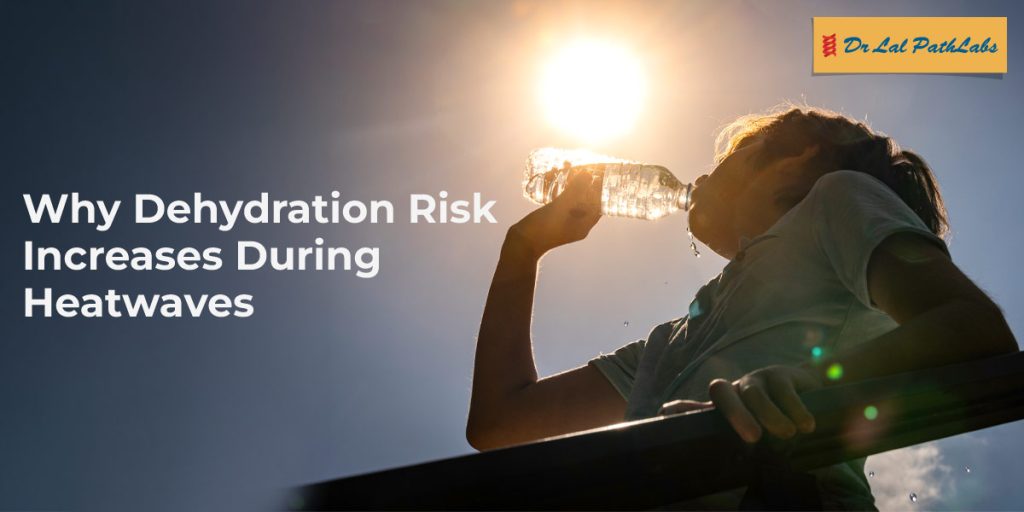
Every year, India experiences an average of 5 to 6 heatwaves between March and June, sometimes extending into July. Each event lasts for weeks and leads to a rapid increase in deaths and hospitalisations from heat strokes and dehydration.
This article explores what dehydration is, why it increases during heatwaves, signs to look out for and tips to prevent it.
What Is Dehydration?
Dehydration occurs when the body loses more fluids than it absorbs. The body loses water from the skin, lungs, kidneys and GI tract. This loss of water along with sodium, an essential electrolyte, results in dehydration.
What Are the Dehydration Types?
Dehydration can be categorised into three types. These are:
- Hypertonic dehydration: Hypertonic dehydration is characterised by a loss of water that exceeds sodium losses. Excess water loss happens through the skin, lungs and kidneys.
- Hypotonic dehydration: In hypotonic dehydration, the loss of sodium exceeds water loss. It is mostly caused by diuretics.
- Isotonic Dehydration: In isotonic dehydration, the body simultaneously loses water and sodium. Vomiting and diarrhoea are the main causes behind it.
What Are the Reasons for Dehydration?
Weather and environmental conditions, physical activity and health condition all contribute to an increased risk of dehydration in the summer. These include:
- High Temperature: Summers are marked by higher temperatures and humidity, which increase internal heat in the body. In order to cool off, the body releases sweat, which is primarily water and some salts. One has to consume sufficient fluids to replace this loss, failing which can cause dehydration.
- Physical Activity: Vigorous exercise and outdoor activity in the summer increase sweating and, consequently, fluid loss from the body.
- Diarrhoea and Vomiting: The hot, humid weather of summer creates an ideal environment for an increase in bacterial and viral infections that can lead to diarrhoea and vomiting. Diarrhoea and vomiting cause significant loss of water and electrolytes and also make it difficult for the body to absorb them, thus causing dehydration. They are often the cause of dehydration in children.
- Diabetes: Undiagnosed and uncontrolled diabetes increases the risk of dehydration.
- Medicines: Certain medicines, such as water pills, known as diuretics and blood pressure medicine, cause more urination, which can cause dehydration.
What Are Signs and Symptoms of Dehydration?
The signs and symptoms of dehydration present differently in adults and children.
Dehydration symptoms in adults include:
- Dry mouth
- Increased thirst
- Fatigues
- Darker urine
- Dry skin
- Lightheadedness
- Headache
- Sweating and urinating less than usual
Dehydration symptoms in infants and young children include:
- Dry mouth and tongue
- No wet diapers for 3 hours
- No tears when crying
- Listlessness or irritability
- Sunken eyes and cheeks
- Sunken soft spot on the top of the skull
- High fever
Dehydration is mostly mild and only requires drinking water to replenish fluids in the body. However, the extremely hot weather in heatwaves can make it severe, requiring immediate medical attention. Signs of severe dehydration include:
- Lack of sweat production
- Shrivelled skin
- Fainting
- Confusion
- Rapid breathing
- Sunken eyes
- Rapid heartbeat
- Lack of urination
- Low blood pressure
How to Prevent Dehydration During Heatwaves?
While heatwaves increase the risk of dehydration, incorporating certain habits into your lifestyle can significantly reduce that risk. These include:
- Drink more than 2.5 litres of water in a day.
- Incorporate fruits and vegetables with high water content, like watermelon, cucumber, zucchini, etc in the diet.
- Keep a water bottle and cover up while going out for any outdoor activity.
- Wear light cotton clothes to promote sweat evaporation and keep the body cool.
- Reduce caffeine and alcohol consumption as they can cause excessive urination.
- Drink coconut water, buttermilk and oral rehydration solution (ORS) to replenish fluids and electrolytes lost due to dehydration.
Dehydration is a common occurrence during heatwaves. Drinking plenty of water and incorporating fruits and vegetables with high water content can help in preventing it. However, dehydration and the electrolyte imbalances it can cause can be life-threatening. On experiencing symptoms of severe dehydration, it is critical to consult a doctor and schedule an electrolyte test with Dr Lal PathLabs. Download the Dr Lal PathLabs app to conveniently schedule a test!
FAQs
- What are the side effects of dehydration?
Some of the side effects of dehydration are increased thirst, fatigue, dizziness and darker urine. - What to drink for dehydration?
Oral rehydration solution (ORS), coconut water and buttermilk help with dehydration by replenishing water and electrolytes in the body. - What is recommended for dehydration treatment at home?
Consuming fruits and vegetables that are high in water content, such as cucumber, watermelon, lettuce, etc and drinking ORS, coconut water and buttermilk, are helpful for dehydration treatment at home. - What are the extreme dehydration symptoms?
Symptoms of extreme dehydration include fainting, rapid heartbeat, rapid breathing and low blood pressure.