Diarrhoea is one of the leading causes of death in children under five in India, and rotavirus is responsible for a significant share of these cases. Rotavirus immunisation is the most effective way to protect young children from this infection during their most vulnerable months.
Getting the rotavirus vaccine on time, as part of the routine immunisation schedule, significantly reduces the risk of severe illness, hospitalisation, and complications. This article covers everything about rotavirus, its symptoms, diagnosis, and the importance of timely vaccination.
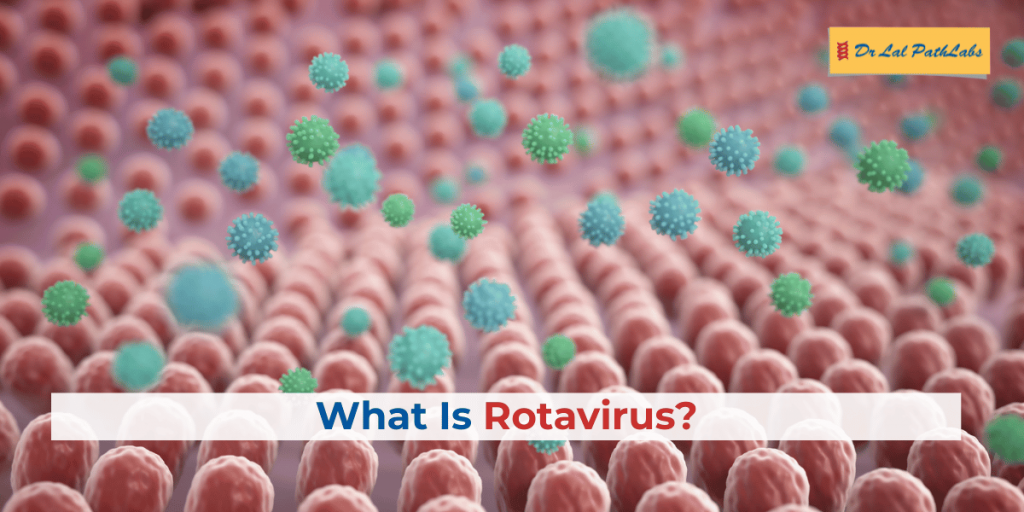
What is Rotavirus?
Rotavirus is an extremely contagious virus that mainly affects the lining of the small intestine, causing severe inflammation of the stomach and intestines. It is the leading cause of serious diarrhoeal illness in infants and young children worldwide.
According to Indian Rotavirus Strain Surveillance Network (IRSSN) data, rotavirus accounts for approximately 40% of all diarrhoea-related hospitalisations in children under five in India. Nearly every child encounters the virus at least once before the age of five. The most severe cases occur in children between six months and two years of age.
What are the Symptoms and Causes of Rotavirus?
Rotavirus spreads through the faecal-oral route, meaning it passes from infected stool to the mouth through contaminated hands, surfaces, toys, or objects. The virus can survive on surfaces for several days, making it difficult to contain through handwashing alone.
Symptoms typically appear within two days of exposure and include:
- Sudden onset of watery diarrhoea, often frequent and explosive
- Vomiting, which usually appears first and eases by the second day
- Fever and abdominal pain
- Loss of appetite and irritability
Dehydration is the most dangerous complication, particularly in infants, as fluid loss from vomiting and diarrhoea can become severe within hours.
How is Rotavirus Diagnosed?
A doctor will typically diagnose rotavirus based on symptoms, the child’s age, and the pattern of illness.
When confirmation is needed, a rotavirus antigen test on a stool sample is the most reliable method. This test identifies the presence of the rotavirus antigen directly from the stool and helps rule out other causes of diarrhoea, such as bacterial infections. Early and accurate diagnosis ensures the right care is given promptly.
Can Rotavirus be Prevented?
While handwashing and sanitation help reduce the spread, they are not sufficient to prevent rotavirus on their own. The virus is extremely resilient and difficult to eliminate from surfaces. Rotavirus immunisation is the most effective preventive measure available.
What is the Rotavirus Vaccine?
The rotavirus vaccine is an oral vaccine given as drops to infants. Three rotavirus vaccines are licensed and available in India: Rotarix, RotaTeq, and Rotavac, which was developed from an Indian neonatal strain. Under India’s Universal Immunisation Programme (UIP), the diarrhoea vaccine is provided free of cost at government health centres.
Rotavirus vaccine uses include preventing severe rotaviral diarrhoea, reducing the risk of hospitalisation from dehydration, and protecting infants during the period when they are most susceptible to the infection.
How Does the Rotavirus Vaccine Work?
The rotavirus immunisation vaccine contains a small amount of weakened rotavirus. When given to an infant, it triggers the immune system to produce antibodies against the virus without causing the disease itself.
If the child later encounters the actual virus, these antibodies help the body fight off the infection or significantly reduce its severity. Immunity builds progressively with each dose, offering stronger protection over time.
When to Get the Rotavirus Vaccine?
The rotavirus vaccine schedule under India’s National Immunisation Schedule is as follows:
- First dose: At 6 weeks
- Second dose: At 10 weeks
- Third dose: At 14 weeks
The rotavirus immunisation process must be completed within the recommended age window. A doctor or paediatrician should be consulted if any dose is missed or delayed.
If a child shows signs of rotavirus infection, such as persistent watery diarrhoea, vomiting, or reduced urination, a rotavirus antigen test from Dr Lal PathLabs can help confirm the diagnosis quickly and guide appropriate rotavirus treatment. Download the Dr Lal PathLabs App for convenient test bookings.
Frequently Asked Questions
- What are the rotavirus vaccine side effects?
Rotavirus vaccine side effects are generally mild and resolve on their own within a day or two. These may include temporary irritability, mild diarrhoea, occasional vomiting, or a low-grade fever. - What is rotaviral diarrhoea?
Rotaviral diarrhoea is diarrhoea caused specifically by the rotavirus infection. It is characterised by sudden, frequent, and watery stools, often accompanied by vomiting and fever. - What are rotavirus vaccine uses?
Rotavirus vaccine uses go beyond preventing diarrhoea. The vaccine reduces the risk of severe rotavirus disease, hospitalisation, and diarrhoea-related complications such as dehydration and malnutrition.