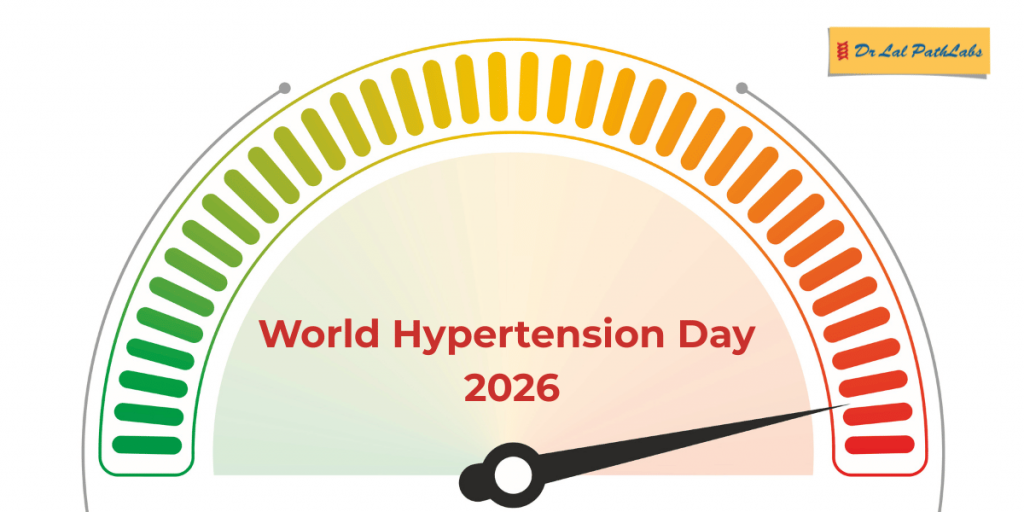
17th May is observed as World Hypertension Day every year. In 2026, this date marks the 21st year of this awareness campaign with the theme “Controlling Hypertension Together.”
Around 1.4 billion people live with this condition worldwide, and a large number of them have no idea. This is because there are often no warning signs. If one does not seek timely medical attention, they can be at a greater risk of heart disease, stroke, kidney failure, and even dementia.
In this article, we will understand what hypertension means, its symptoms, causes, prevention, and more.
What is Hypertension?
The heart constantly pumps blood through a vast network of arteries. When that blood travels with too much force, it strains the artery walls. This is called hypertension. Over time, it can damage the heart, arteries, and other organs.
Blood pressure readings use two numbers measured in mmHg:
- Systolic (top number): This shows the pressure when the heart beats.
- Diastolic (bottom number): It shows the pressure when the heart rests between beats.
A reading of 140/90 mmHg or more generally indicates hypertension. Since there are no obvious symptoms in most people, it often goes undetected for years, earning it the name “silent killer.”
What are the Types of Hypertension?
There are two broad types of hypertension:
1. Primary Hypertension
It has no single identifiable cause. It develops gradually over many years and accounts for the majority of cases, particularly in adults.
2. Secondary Hypertension
This type links directly to an underlying health condition. It appears suddenly and often pushes blood pressure higher than primary hypertension.
What Causes Hypertension?
In most cases, there’s no single cause of hypertension. There are several factors that contribute to developing the condition over time. Common hypertension causes include:
- Age (risk increases significantly after 55)
- Family history of high blood pressure
- Excess weight or obesity
- High-sodium diet
- Physical inactivity
- Smoking or tobacco use
- Heavy alcohol consumption
What are the Risk Factors of Hypertension?
If not treated on time, hypertension can affect the heart and arteries over time. Here are some long-term risks of the condition:
- Heart attack or heart failure
- Stroke
- Coronary artery disease
- Chronic kidney disease
- Dementia or cognitive decline
- Vision loss
- Peripheral artery disease
- Erectile dysfunction in men
- Atrial fibrillation (an irregular heart rhythm that weakens the heart’s pumping ability)
What are the Symptoms of Hypertension?
Most people with hypertension do not experience any obvious symptoms. Hypertension symptoms typically only surface when blood pressure reaches a severely high level, usually 180/120 mmHg or above. At that point, a person may experience:
- Severe headache
- Chest pain
- Dizziness or confusion
- Blurred or sudden vision changes
- Nausea or vomiting
- Difficulty breathing
- Nosebleeds
- Irregular heartbeat
- Swelling in the body
- Signs of stroke (facial drooping, slurred speech, or sudden weakness in the arms or legs)
How is Hypertension Diagnosed?
To diagnose hypertension, doctors usually start with a blood pressure reading. A normal reading sits below 120/80 mmHg. Readings that are consistently at or above 140/90 mmHg point to hypertension.
However, one high reading isn’t enough to confirm the condition. A doctor typically looks at multiple readings across at least two separate visits before making a diagnosis.
They may also suggest additional tests for hypertension, like:
- Blood test
- Urine test
- ECG to check heart rhythm
- Echocardiogram to examine heart function
How is Hypertension Treated?
One can manage hypertension with a combination of medication and lifestyle changes.
Depending on the evaluation and tests, doctors may recommend medications, like diuretics, beta-blockers, ACE inhibitors, and calcium channel blockers.
In mild cases, doctors may recommend certain lifestyle changes first before introducing drugs.
How to Prevent Hypertension?
Blood pressure tends to increase naturally with age. However, certain lifestyle changes can help with hypertension prevention. These include:
- Eating a well-balanced diet that limits salt and processed foods
- Exercising regularly
- Maintaining a healthy weight
- Avoiding smoking and limiting alcohol
- Managing stress levels
Hypertension is a serious medical condition. However, following healthy lifestyle habits and getting treated timely can help one manage it better.
On this World Hypertension Day, take the first step towards a healthier life. Consult a doctor and book the recommended hypertension panel test directly on the Dr. Lal PathLabs app.
FAQs
- What are 5 symptoms of hypertension?
The 5 symptoms of hypertension include headaches, chest pain, blurred vision, dizziness, and shortness of breath. - What is the main cause of hypertension?
There’s no single cause of hypertension. It can develop due to poor diet, physical inactivity, excess weight, smoking, heavy alcohol use, or age. - How to bring high blood pressure down?
One can lower high blood pressure by taking prescribed medication. Lifestyle habits like reducing salt intake, exercising regularly, and managing stress also help. - What are World Hypertension Day activities?
Every year on 17th May, health organisations, hospitals, and communities conduct several activities. These can include free blood pressure screening camps, public awareness drives, social media campaigns, educational workshops, etc.