 Leukemia is a type of cancer that arises in the blood or bone marrow and causes abnormal blood cells to be produced. These abnormal blood cells hinder the body’s ability to fight infections, carry oxygen, and control bleeding.
Although the exact cause is not known, researchers have identified some risk factors. Recognising symptoms early and getting proper medical care can help people receive timely Leukemia treatment.
This article defines Leukemia, the types of Leukemia, Leukemia causes, Leukemia symptoms, and the diagnosis process.
What is Leukemia?
To define Leukemia, one needs to first understand what cancer is. Cancer occurs when the cells in the body start growing rapidly and uncontrollably.
Leukemia is the cancer of the blood that develops in the bone marrow, which is responsible for producing blood. In the case of Leukemia, instead of the bone marrow producing healthy blood cells, it produces an unusually high amount of abnormal white blood cells (WBCs). These abnormal cells not only fail to carry out their proper function but also displace normal blood cells. Understanding the types of Leukemia is the first step towards effective Leukemia treatment.
There are 4 different types of Leukemia:
- Acute Lymphocytic Leukemia or ALL – This affects the lymphocytes, which are a type of WBC and is most common in kids, teens, and young adults.
- Acute Myelogenous Leukemia or AML – This affects the red blood cells, platelets, and myeloblasts, which are another type of WBC. It is most commonly seen in adults, especially those over 65.
- Chronic Lymphocytic Leukemia or CLL – This affects the lymphocytes and usually arises in adults over 65. Unfortunately, CLL’s symptoms often do not appear for years.
- Chronic Myelogenous Leukemia or CML – This affects granulocytes, which are a type of WBC and is most common in older adults.
Identifying which type of Leukemia an individual suffers from can facilitate effective Leukemia treatment.
What Causes Leukemia?
The exact Leukemia causes are unknown. But Leukemia is a result of a mutation in the DNA of a single bone marrow cell. DNA acts like an instruction manual that informs cells when to grow, work, and die. When it mutates, the cells work abnormally. They keep dividing and give rise to more mutated cells.
Over time, this develops into Leukemia, making timely Leukemia treatment critical.
What are the Risk Factors of Leukemia?
While Leukemia can affect anyone, some aspects can increase the risk of its development. These include:
- Past cancer treatments
- Smoking
- Chemical exposure
- Genetic disorders
- Family history
- Age of 65 – 74
- If the individual is a man
What are Common Leukemia Symptoms?
Leukemia symptoms might vary from person to person depending on their age and the type of Leukemia. Knowing them is important for effective Leukemia treatment. Some Leukemia symptoms are:
- Fatigue
- Frequent infections
- Sudden and unexplained weight loss
- Bone or joint pain
- Pain or fullness under the left rib cage
- Swollen lymph nodes in the different regions such as the neck, underarms, groin, or belly
- Easy bruising or bleeding, including nosebleeds, bleeding gums, tiny red skin spots called petechiae or dark patches
How is Leukemia Diagnosed?
In case individuals notice Leukemia symptoms, they must visit a doctor for timely Leukemia treatment. The doctor can conduct the following tests:
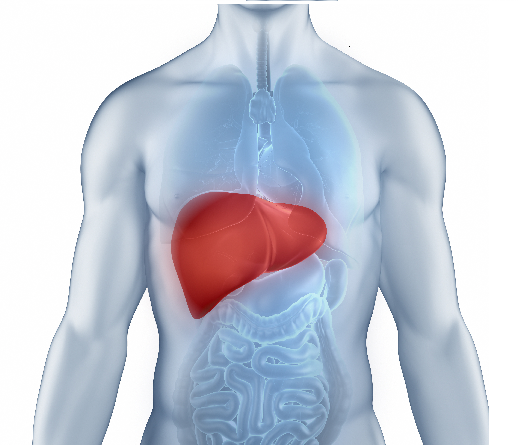
- Physical Exam – The doctor might check for swollen lymph nodes or an enlarged liver, gum swelling, or skin rashes, which are consistent with Leukemia symptoms.
- Complete Blood Count (CBC) Test – A CBC blood test measures the count of platelets, red blood cells, and white blood cells. High white blood cell counts might be a Leukemia symptom.
- Blood Cell Examination – Additional blood tests, like flow cytometry or a blood smear, help identify Leukemia cells and their type.
- Bone Marrow Biopsy – A small sample of bone marrow is taken from a needle, to check for Leukemia cells and observe their count.
- Imaging Tests – X-rays, CT scans, or MRIs help determine if Leukemia has affected organs or bones.
- Lumbar Puncture – A sample of spinal fluid is tested to see if Leukemia has spread to the brain or spinal cord.
Early detection through these tests can help in determining appropriate Leukemia treatments and improve outcomes.
If individuals notice the above-mentioned Leukemia symptoms, they must consult a doctor for timely Leukemia treatment. Individuals can also download the Dr Lal PathLabs app to book necessary Leukemia treatment tests like the CBC test.
FAQs
- What is Leukemia? Leukemia is a blood cancer. It starts in the bone marrow, producing abnormal white blood cells that don’t function properly.
- How to detect Leukemia?Leukemia can be detected through blood tests such as CBC tests, physical exams, bone marrow biopsies, and imaging or spinal fluid tests.
- What are the common Leukemia symptoms?Common Leukemia symptoms include fatigue, frequent infections, unexplained weight loss, bone pain, swollen lymph nodes, and easy bruising or bleeding.