
Vaccination
Vaccines are medicines that protect you from getting serious infections. They help the body fight off diseases before you get sick. Getting vaccinated keeps you and your child safe from illnesses that can be dangerous or even life-threatening. It’s always better to prevent a disease than to treat it later.
Moreover, vaccines lower the chance that you or your child could spread a disease. This is important for some people who do not get vaccinated, or do not develop a good immune response to vaccination, especially newborns and older adults.
People who also benefit from vaccinated persons around them are those being treated for cancer, patients taking medicines which lower the immune response, patients who have undergone an organ transplant, or those suffering from chronic illness such as diabetes. Such patients benefit from vaccinated people, as such people prevent the spread of disease.
Vaccines also lower the risk of developing complications related to diseases, e.g., the Human Papilloma Virus (HPV) vaccine prevents the development of certain types of cancers.
What are Vaccines?
Vaccines are medicines prepared from disease causing bacteria or viruses which are either dead or inactivated (attenuated). Some vaccines are prepared from only a part of the virus or bacteria. Vaccine might also be made of the proteins your body would naturally make to respond to the infection.
Which diseases qualify for a vaccine?
A disease qualifies for a vaccine if:
- It is common
- It is deadly
- It produces an immune response like as if you were suffering from that disease
Frequency of Vaccination
Some viruses like Measles causing virus do not change over time. Our immune system remembers the virus and protects us lifelong. However, there are few pathogens like a Flu causing virus, which changes often with time, or a tetanus vaccine, which offers short-term immunity. Thus, frequency of vaccination depends on the causative organism and the duration till which the immunity is offered by the vaccine.
Side-Effects of Vaccine
- Pain & Stiffness at the site of injection
- Fever
- Allergic reaction like hives & itching over the body
These side effects are mild as compared to the benefits of getting vaccinated.
What factors might affect vaccine recommendation?
- Age
- Health history
- Travel destinations
- Sexual activity
- Lifestyle
- Occupation
- Previous Vaccinations
What Vaccines do Children Need?
As per Government of India, the immunization schedule is as follows:
Infancy (Birth to 1 Year):
- At Birth: BCG (to prevent tuberculosis) and Hepatitis B (HepB) are often administered.
- 6 Weeks: OPV (Oral Polio Vaccine), Penta (Diphtheria, Pertussis, Tetanus, Hepatitis B, Hib).
- 10 Weeks: OPV, Penta.
- 14 Weeks: OPV, Penta, Rotavirus.
- 9 Months: Measles-Rubella (MR) vaccine, Japanese Encephalitis (JE), Vitamin A
- 12 Months: Measles, mumps, rubella (MMR)
Early Childhood (1 to 6 Years):
- 16-24 Months: DPT Booster, Vitamin A, MR, JE, OPV
- 4-6 Years: MMR, DTwP/DTaP, IPV, PCV.
Adolescence (10 to 18 Years):
- 10-12 Years: Td (Tetanus and Diphtheria), HPV (Human Papillomavirus
- 16 Years: Td(Tetanus and Diphtheria).
Additional Vaccines:
- Influenza: Children should receive an annual influenza vaccine, starting at 6 months of age.
- COVID-19: COVID-19 vaccines are also recommended for children, with the specific schedule depending on age and health conditions.
- Catch-up Schedules: If a child misses a vaccination, a catch-up schedule can be followed to ensure full protection.
What vaccines do Adults need?
- COVID-19 Vaccine – This vaccine helps protect you from getting COVID-19. It also reduces the chances of becoming very sick if you do get infected.
- Flu Vaccine – The flu (also called influenza) can be serious, especially for older adults. Everyone aged 6 months and older should get a flu shot every year. Adults over 50 and pregnant women are advised to get the flu vaccine as an injection (not a nasal spray) for better protection.
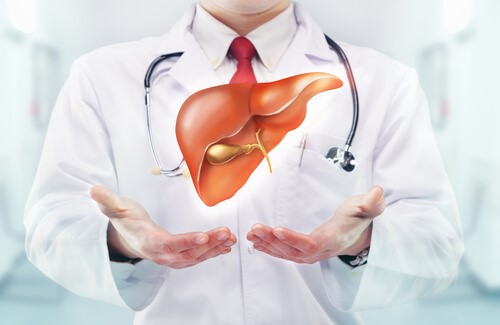
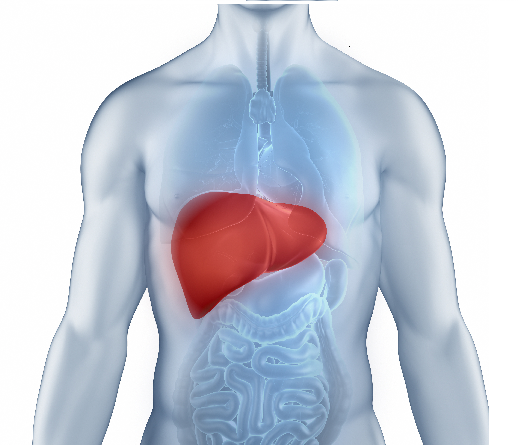
- Hepatitis B Vaccine – All adults between 19 and 59 years should get the hepatitis B vaccine. Adults aged 60 and above should also get it if they are at risk. This vaccine helps protect against hepatitis B, a serious liver infection.
- HPV Vaccine (Human Papillomavirus) – This vaccine is usually given to children around age 11 or 12. If you didn’t get it then, you can still take it as a teen or young adult, up to age 26. In some cases, adults between 27 and 45 years may also benefit. HPV is a common virus that can lead to certain types of cancer.
- Pneumococcal Vaccine – There are two types of this vaccine for adults aged 65 and above. It’s also recommended for younger people who are at higher risk. It helps protect against serious infections like pneumonia, meningitis, and bloodstream infections.
- RSV Vaccine (Respiratory Syncytial Virus) – This vaccine is recommended for adults 60 and older who are more likely to develop serious illnesses, such as pneumonia, due to RSV.
- Shingles Vaccine (Shingrix) – This vaccine is for healthy adults aged 50 and above. It helps prevent shingles, a painful skin rash. You need two doses for full protection. Shingles isn’t life-threatening but can cause long-lasting pain.
- Tdap Vaccine (Tetanus, Diphtheria, and Pertussis) – This vaccine is usually given to children around age 11 or 12. It’s also recommended during pregnancy (between 27 and 36 weeks) to protect both mother and baby.
- It guards against tetanus (lockjaw), whooping cough, and diphtheria (which can cause breathing problems).
- A booster dose is needed every 10 years to stay protected.