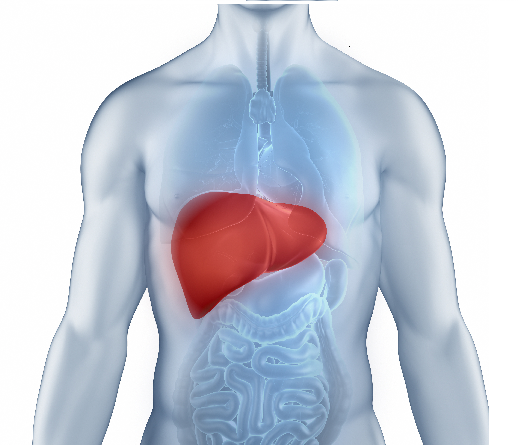
 Wilson’s disease is a rare genetic disorder in which copper accumulates in the liver, brain, and eyes when the body fails to eliminate excess copper.
According to a study by the National Library of Medicine, the prevalence of Wilson’s disease in India is estimated to be approximately 1 in 18,678 people, which is higher than the worldwide estimate of 1 in 30,000.
These statistics mean that many individuals in the country could be affected but remain undiagnosed. Early diagnosis is essential because the disease can cause severe damage; however, it is treatable if detected promptly. One key sign of Wilson’s disease is the Fleischer-Kayser ring, a copper-colored ring visible in the cornea of the eyes.
What is Wilson’s disease?
Wilson’s disease is a genetic condition wherein excess copper builds up in the body. The disease occurs when both parents pass on a faulty gene called ATP7B; this gene causes the body to retain copper instead of removing it. Most people are diagnosed between the ages of 5 and 35, but the disease can occur at any age.
After copper starts accumulating in the central nervous system, Wilson’s disease may also lead to nervous system and mental health symptoms.
What is a Fleischer-Kayser ring in Wilson’s disease?
Fleischer-Kayser rings are golden-brown or copper-colored rings around the irises of the eyes. They form when copper collects in the cornea. However, they do not interfere with your vision. Eye doctors can detect this ring using a slit-lamp test, and it’s an indicator that someone may have Wilson’s disease. Zinc and copper chelating agents are used for the treatment of Fleischer-Kayser rings.
What are the Common Wilson’s Disease Symptoms?
Wilson’s disease symptoms vary depending on which organs are affected. In India, many patients have delayed Wilson’s disease diagnosis, but the major Wilson’s disease symptoms include:
Liver Symptoms
- Tiredness
- Jaundice (yellow skin or eyes)
- Fluid buildup in the legs or belly
- Dark urine, pale stools
- Liver failure in extreme cases (due to copper accumulation in liver)
Nervous System Symptoms
- Tremors, shaking of limbs
- Trouble in speaking or swallowing
- Poor muscle coordination
- Uncontrolled movements and muscle stiffness
Psychiatric Symptoms
- Depression, anxiety and irritation
- Difficulty in sleeping
- Changes in personality
Eye Symptoms
Wilson’s disease causes copper to build up in the eye, forming golden-brown or greenish rings around the cornea. The slit-lamp exam is used to detect these copper deposit rings.
Sometimes, Wilson’s disease also causes a cloudiness in the lens of the eye, known as sunflower cataracts.
What are the tests for Wilson’s disease diagnosis?
Tests used for Wilson’s disease treatment monitor focus and evaluate copper levels, liver function, treatment adherence, and clinical status:
- Blood tests
Blood tests check ceruloplasmin, total copper, and free toxic copper levels, along with liver function. - 24-hour urine copper test
Measures copper excretion to assess the effectiveness of treatment, with target excretion ranges depending on the medication used. - Liver biopsy
Occasionally used to quantify hepatic copper content and assess liver damage, especially if diagnosis or progression is unclear. - Eye examination
A slit-lamp exam detects Kayser-Fleischer rings (copper deposits in the eyes) and evaluates the response to treatment by noting any regression.
Regular testing is essential to avoid treatment failure or copper overload/deficiency.
Can a PCR Test Confirm Wilson’s Disease Genetically?
Yes, genetic tests like PCR are used to find mutations in the ATP7B gene. These tests help confirm the diagnosis, especially if symptoms are unclear. Doctors also use blood and urine tests and look for the Fleischer-Kayser ring for a complete diagnosis.
Wilson’s disease is severe but manageable with early diagnosis and regular monitoring. Key signs like the Fleischer-Kayser ring and genetic PCR tests help guide effective treatment.
For easy access to expert testing and reliable health support, download the Dr. Lal PathLabs app today.
FAQs
- What is a Fleischer-Kayser ring, and why is it important?
A Fleischer-Kayser ring is a copper-colored ring around the cornea of the eye, visible during the slit-lamp test. It is a key sign that helps doctors diagnose Wilson’s disease. - What is Wilson’s disease defined as?
Wilson’s disease is a genetic disorder that is inherited in an autosomal recessive pattern, resulting in the accumulation of copper in various parts of the body, such as the eyes, liver, or brain. - Suggest tests for Wilson’s disease treatment?
Tests for monitoring Wilson’s disease symptoms include 24-hour urine copper levels, a slit-lamp eye exam for the detection of Kayser-Fleischer rings, and occasional genetic testing.