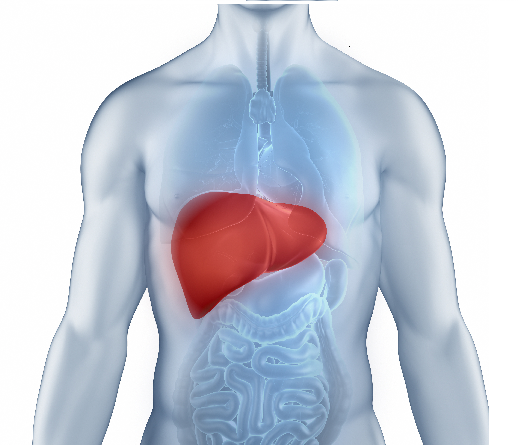

When an individual experiences pain or irritation in the abdomen, healthcare providers often recommend an ultrasound of the whole abdomen. It is a noninvasive imaging test that helps them check abdominal organs for any health concerns.
A full abdomen ultrasound can be used to detect a range of diseases and conditions, so the individual can receive timely medical care. This article discusses what an ultrasound of the whole abdomen is and the diseases that it can be used to detect.
What is an Ultrasound of the Whole Abdomen?
A whole abdomen ultrasound, also called the whole abdomen sonography, is a medical test that helps identify the reason behind abdominal pain, infection, or swelling. It uses ultrasound waves, which have a frequency that is too high to be heard. These sound waves create live images of the blood vessels and organs in the abdomen.
During the ultrasound, the healthcare provider uses a device called a transducer that sends the sound waves. These waves travel through the body and the transducer. A computer turns these returning echoes into images.
A doctor may suggest a full abdomen ultrasound if an individual has a condition affecting areas like the:
- Liver
- Gallbladder
- Kidneys
- Intestines
- Spleen
- Pancreas
- Abdominal blood vessels
Which Diseases Can an Ultrasound Whole Abdomen Test Detect?
A whole abdomen sonography can help healthcare professionals detect the following conditions:
- Kidney Diseases: An abdomen ultrasound complete check can detect kidney stones by showing their size, shape, and position in the kidneys or urinary tract. It can also be used to detect kidney infections, cysts, and tumors. The ultrasound can also detect hydronephrosis, a condition where the kidney swells due to urine buildup.
- Liver Diseases: A whole abdomen ultrasound helps identify fatty liver disease. It can also be used to detect hepatitis as it shows inflammation and changes in the liver’s texture. In more advanced cases, the ultrasound can reveal liver cirrhosis and tumors.
- Bladder and Urinary Tract Issues: An ultrasound of the whole abdomen can be used to find bladder stones. It also helps detect bladder tumors, which may require further tests to confirm. Additionally, in some cases of urinary tract infections (UTIs), an ultrasound helps the doctor see if the infection has spread to the kidneys.
- Intestinal Disorders: The ultrasound can also detect appendicitis and bowel obstructions, where food or liquid cannot move through the intestines. If an individual is suffering from Crohn’s disease, the doctor may suggest a full abdominal ultrasound to detect thickened or scarred areas in the intestinal wall.
- Gynecological Conditions: A whole abdomen sonography can also be used to find ovarian cysts and uterine fibroids. It also helps detect ectopic pregnancies, where the embryo grows outside the uterus.
How to Prepare for an Ultrasound Whole Abdomen Test?
Ultrasound of the whole abdomen preparation is simple but important for accurate results. Doctors guide individuals on what to do before the test. This usually includes fasting for 8 to 12 hours to prevent gas buildup, making it easier to see the organs clearly.
One can ask the healthcare provider if drinking water is allowed. A person can also continue their regular medicines unless the doctor has recommended otherwise.
If a doctor has recommended an ultrasound whole abdomen test, it can easily be booked online through the Dr. Lal PathLabs app.
FAQs
- What disease can be seen in a whole abdomen ultrasound?
A whole abdomen ultrasound can help detect many conditions, such as kidney stones, liver disease, bladder problems, appendicitis, and ovarian cysts. It helps doctors check if an individual’s internal organs are healthy and working properly. - What is the whole abdomen ultrasound price?
The cost of a whole abdomen ultrasound in India usually ranges from Rs. 900 to Rs. 3000, depending on the city, hospital, and type of equipment used. - What does a full abdominal ultrasound detect?
A full abdominal ultrasound shows images of organs like the liver, kidneys, gallbladder, pancreas, bladder, and spleen. It helps detect infections, stones, cysts, tumors, or swelling in these organs. - What happens during an abdominal ultrasound?
During an abdominal ultrasound, the individual lies on their back on a table. A healthcare professional applies a special gel to the belly to help the device make clear images. The device is gently moved over the skin to capture pictures of the organs and blood flow. The test is painless and only takes about 30 minutes.