
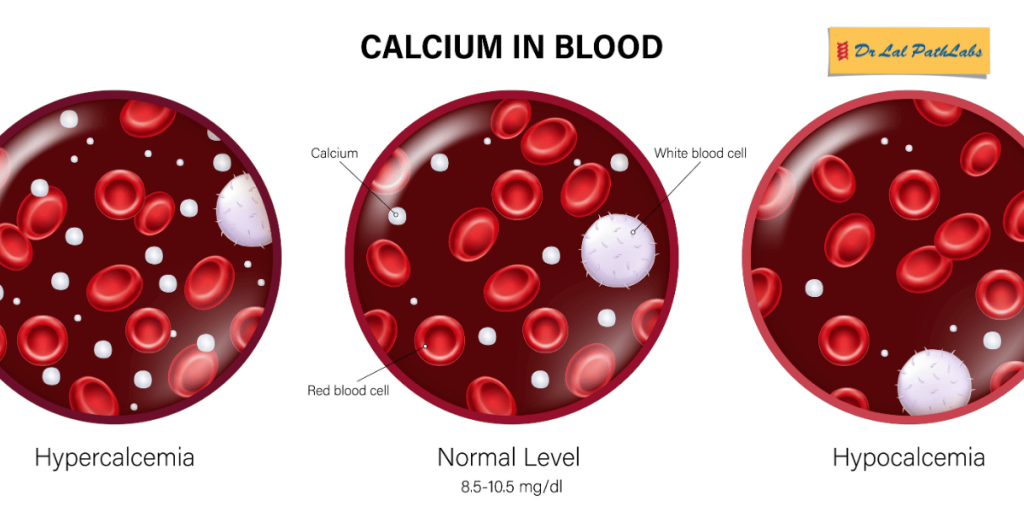
Calcium is one of the most important minerals in the body, but its levels in the blood are not always given the attention they deserve. Abnormal calcium levels, whether too high or too low, can point to a range of underlying conditions, including in some cases, cancer. A routine calcium blood test is often the first step in identifying these imbalances. Understanding what the numbers mean can help individuals seek timely medical attention.
What is Calcium and Why Does the Body Need It?
Calcium is a mineral that the body needs for far more than just strong bones and teeth. It plays an important role in muscle contraction, nerve signalling, blood clotting, and regulating the heartbeat.
About 99% of the body’s calcium is stored in the bones and teeth, with the remaining 1% circulating in the blood, where it is tightly regulated by the parathyroid glands and kidneys.
Normal calcium levels in the blood typically fall between 8.5 and 10.2 milligrams per deciliter (mg/dL). Here’s how calcium levels are generally classified:
| Category | Calcium Level (mg/dL) |
|---|---|
| Low (Hypocalcaemia) | Below 8.5 |
| Normal | 8.5 to 10.2 |
| Mildly High | 10.5 to 11.9 |
| Moderately High | 12.0 to 13.9 |
| Severely High | 14.0 and above |
What are High Calcium Levels?
High calcium levels in the blood, known as hypercalcaemia, occur when calcium rises above 10.5 mg/dL. The most common cause is overactivity of the parathyroid glands, a condition called hyperparathyroidism. Other causes include prolonged immobility, certain medications, and excess vitamin D intake.
However, cancer is one of the most serious causes of high calcium levels. Certain tumours produce a protein called parathyroid hormone-related peptide (PTHrP), which mimics the action of the parathyroid hormone and causes calcium to be released from the bones into the bloodstream.
What are Low Calcium Levels?
Low calcium levels, or hypocalcaemia, occur when calcium drops below 8.5 mg/dL. Common causes include underactive parathyroid glands, vitamin D deficiency, magnesium imbalances, and certain medications used in cancer treatment such as bisphosphonates and denosumab.
Is Low Calcium a Sign of Cancer?
Low calcium is not typically a direct sign of cancer itself. However, certain cancers that spread to the bones, such as prostate cancer, can cause the bones to absorb excess calcium, temporarily lowering blood levels.
What Level of Calcium in Blood Indicates Cancer?
There is no single calcium reading that confirms cancer. However, persistently high calcium levels above 10.2 mg/dL, particularly when the parathyroid hormone is not elevated, raise concern and warrant further investigation. Levels above 12 mg/dL are considered moderate. Severely elevated levels above 14 mg/dL are a medical emergency.
What Foods Have Calcium?
Maintaining adequate calcium intake through diet helps keep blood levels stable. Good dietary sources include:
- Milk, curd (dahi), paneer, and buttermilk (chaas)
- Ragi (nachni), one of the richest plant-based sources of calcium
- Green leafy vegetables such as spinach, kale, and mustard greens
- Sesame seeds and chia seeds
- Sprouted pulses such as moong and chana
- Makhana (lotus seeds)
- Tofu and soya products
When Should a Calcium Blood Test Be Done?
A calcium blood test is recommended when a person experiences symptoms such as persistent fatigue, bone pain, frequent urination, excessive thirst, muscle cramps, tingling in the hands or feet, or unexplained confusion. These symptoms can indicate either high or low calcium and should not be ignored.
Early testing helps identify the cause quickly and avoid complications. Consult with a physician and book a calcium blood test with Dr Lal PathLabs today. Download the Dr Lal PathLabs app for convenient test bookings.
Frequently Asked Questions
- What is calcium and what does it do in the body?
Calcium is an essential mineral that supports bone and teeth strength, muscle function, nerve signalling, and heart rhythm regulation. It is the most abundant mineral in the human body and must be maintained within a narrow range in the blood for the body to function correctly. - Is low calcium a sign of cancer?
In most cases, no. Low calcium is more commonly linked to nutritional deficiencies, hormonal imbalances, or medication side effects. However, in some cancers that have spread to the bones, low blood calcium can occur as the bones absorb more calcium than usual. A doctor should always evaluate the cause of low calcium levels through proper testing. - What are the symptoms of abnormal calcium levels?
Symptoms of high calcium levels include fatigue, nausea, frequent urination, excessive thirst, confusion, and bone pain. Symptoms of low calcium levels include muscle cramps, tingling in the fingers and lips, anxiety, and in severe cases, seizures or irregular heartbeat. Both conditions require medical evaluation.