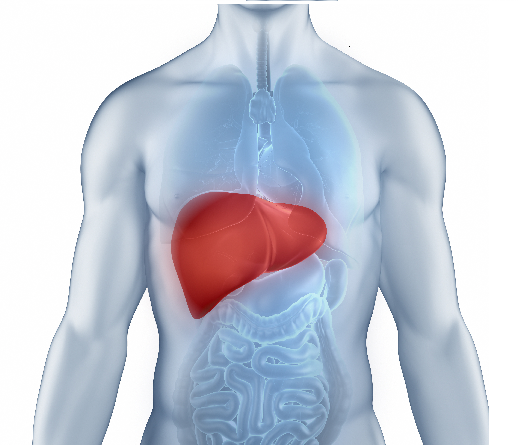
The SGOT blood test or Serum Glutamic Oxaloacetic Transaminase test, measures the level of SGOT in the blood. SGOT is an enzyme found primarily in the liver but is also present in the heart, brain, kidneys, and muscles. The enzyme is also known as AST or aspartate aminotransferase. The presence of this enzyme in the blood indicates liver damage or damage to other tissues.
Let us understand in more detail what an SGOT test is and why it is essential for our health.
What is the Importance of the SGOT Test?
The liver produces two key enzymes: SGOT (AST) and ALT (SGPT or alanine aminotransferase). The significance of SGOT and SGPT enzymes lies in their ability to fight infections and break down foods and toxins. Usually, the presence of these enzymes in the liver indicates good liver health. However, the levels of the enzymes may become elevated, signalling damaged liver cells or a liver disease like decompensated cirrhosis.
High levels of SGOT in the blood indicate the following:
- Chronic hepatitis
- Alcohol damage
- Decrease in bile flow
- Heart, kidney, or muscle damage
- Liver cancer
- Liver scarring or liver cirrhosis
Low levels of SGOT in the blood indicate:
- Vitamin B6 deficiency
- Kidney disease
- Autoimmune conditions
- Genetic conditions
SGOT is also present in other areas of the body, such as the kidneys, muscles, heart, and brain. If any of these are damaged, the SGOT levels in the blood become high, like in a heart attack or muscle injury. Therefore, an SGOT test alone does not indicate liver damage; an ALT test is also required for accurate diagnosis.
What do High Levels of ALT and SGOT Indicate?
A high level of SGOT may indicate muscle injury or heart disease. However, to confirm liver damage, an ALT test is also performed. ALT is mainly associated with liver health, and elevated ALT levels often signify liver damage.
Both SGOT and SGPT tests are done to monitor liver health or detect inflammation. If AST levels are high and ALT levels are normal, it typically means the damage is outside the liver, such as in the muscle or heart. Both ALT and SGOT high levels indicate acute hepatitis A and B, the collapse of the circulatory system, or extensive liver damage.
Why is the SGOT Test Performed?
Doctors may perform an SGOT Test in the following cases:
- When an individual experiences symptoms like jaundice, fatigue, abdominal pain, and unexplained weight loss, which are associated with liver problems.
- If a person has risk factors associated with liver disease, like family history, obesity, and diabetes.
- To monitor the progress if a person is already undergoing treatment for a liver condition.
- To evaluate heart health, especially after a suspected heart attack.
Preparation for the SGOT Test
The SGOT test is performed like any other blood test, but some preparations are required. For accurate results, it’s best to avoid over-the-counter medications two days before the test, as they can affect liver enzyme levels. Staying hydrated is also recommended to make the blood drawing easier during the test. An individual must strictly follow the specific instructions given by their doctor to prepare for the test.
What do the SGOT Test Results Mean?
SGOT levels are typically measured in units per litre (U/L) of serum. For SGOT, the normal range is generally between 8 and 45 U/L for adults. Elevated SGOT levels (above 50 for males and 45 for females) may indicate damage, muscle injury, or heart disease. Levels higher than 1000 U/L are considered very high and may be a sign of severe liver injury or hepatitis. The normal range for SGPT is usually between 7 and 56 units per litre.
Elevated levels of SGOT in the blood may lead to severe consequences like cirrhosis, liver damage, muscle injury, or heart disease. However, the SGOT test is not only required to treat liver damage but is also a helpful indicator of overall health. Early detection based on the SGOT test can significantly improve outcomes for individuals. SGOT test prices in India are quite affordable, depending on the location and healthcare facility.
If one notices symptoms associated with high levels of SGOT, they should immediately consult their healthcare provider and book an SGOT test with Dr Lal PathLabs for accurate diagnosis and timely intervention.
FAQs
-
What is the purpose of the SGOT Test?
SGOT test is mainly done to assess liver health as it indicates inflammation and damage to liver cells. Injured cells of the liver secrete elevated amounts of SGOT in the blood. SGOT test is also a part of a normal routine checkup to monitor a person’s overall health.
-
What are the symptoms of SGOT problems?
Elevated SGOT levels are often accompanied by symptoms like
- Jaundice
- Abdominal pain
- Dark urine
- Loss of appetite
- Unintentional weight loss