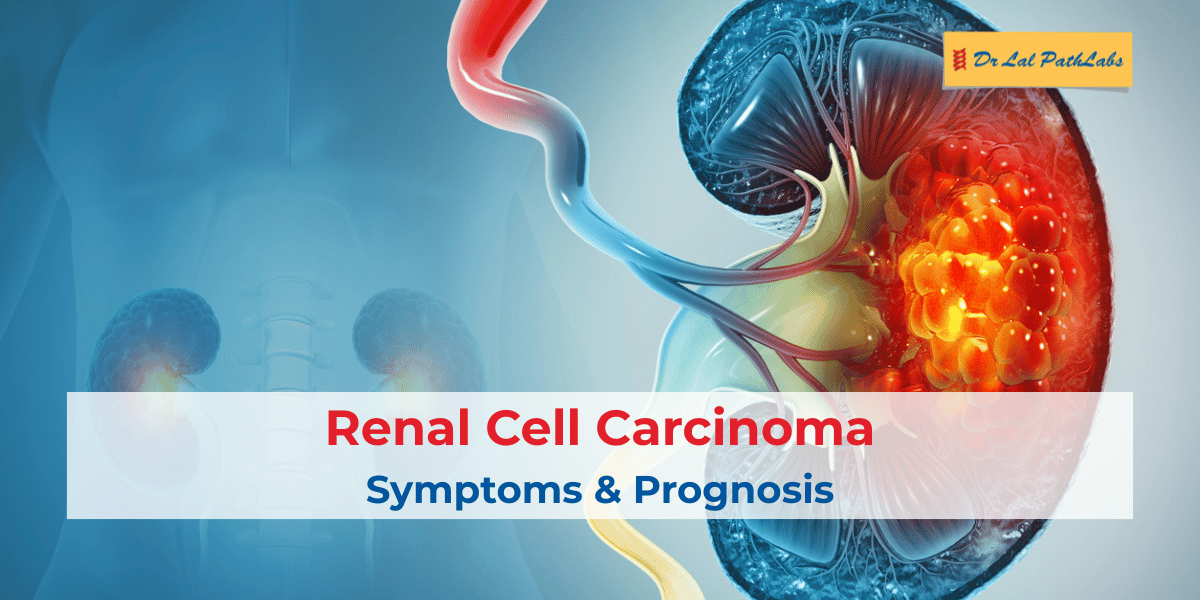
Renal Cell Carcinoma (RCC), commonly called kidney cancer, is the type that doesn’t show any symptoms in the early stages, and around 85% of kidney cancers are RCC. This type of cancer originates from the lining of the small tubules present inside the kidneys. According to research charting Renal Cell Carcinoma in India, one-third of the affected individuals are below 50 years of age.
What is Renal Cell Carcinoma (RCC)?
In Renal Cell Carcinoma (RCC), there are formations in the tiny tubes inside the kidneys called tubules. These tubules filter waste into urine while directing nutrients to the bloodstream. Most renal cancer starts as a single tumour mass in one kidney, though multiple tumours can occur in one or both kidneys.
What are the types of Renal Cell Carcinoma (RCC)?
Among all the types of Renal Cell Carcinoma (RCC) or kidney cancer, Clear Cell Renal Cell Carcinoma (ccRCC) is the most common. There are around 50 types of RCC, and many of these are rare. The most accepted types of RCC are:
- Clear Cell Renal Cell Carcinoma (ccRCC): Around 85% of the RCCs are Clear Cell Renal Cell Carcinoma (ccRCC). This type of kidney cancer forms in the kidney’s tiny tubules.
- Papillary Renal Cell Carcinoma (pRCC): The tumour cells present in this type of kidney cancer or RCC form finger-like projections that distinguish it from other subtypes of Renal Cell Carcinoma.
- Chromophobe Renal Cell Carcinoma (cRCC): This subtype of kidney cancer is less frequent, around 5 to 10% of the Renal Cell Carcinomas are Chromophobe Renal Cell Carcinoma (cRCC).
- Unclassified RCC: These kidney cancer variations show mixed patterns and can be grouped on the basis of the microscopic features of the renal cancer cells and the cell DNA.
What are the Renal Cell Carcinoma Symptoms?
Kidney cancer symptoms often appear late, as RCC produces no signs in the early stages. When the Renal Cell Carcinoma symptoms do appear, they reflect how tumour growth has impacted nearby tissues and organs.
- Hematuria (red, pink, or cola-coloured blood in the urine)
- Pain in the sides or the back
- Fever and night sweats
- Fatigue
- Sudden weight loss
- Hormonal imbalance
The Causes of Renal Cell Carcinoma (RCC)
It is unclear how an individual develops kidney cancer or RCC. DNA changes in kidney cells can lead to tumour formation. With increasing age, the risk rises, though in India many RCC cases are seen in individuals under 50 years of age.
Risk factors include:
- Smoking
- Obesity
- High blood pressure
- Older age
- Family history
What are the Tests for Kidney Cancer?
To detect kidney cancer or RCC, doctors may recommend urine tests, blood tests, and imaging scans:
- Urine tests: Urine tests help healthcare providers gather clues about what’s causing kidney cancer symptoms in an individual. Any abnormalities, like blood, bacteria, or cancer cells, are noticed in urine tests.
- RCC blood test: Along with the urine tests, the RCC blood test is a part of the diagnostic process for potential Renal Cell Carcinoma (RCC). This test is helpful for diagnosis and to understand which stage of kidney cancer is present.
- Imaging tests: Ultrasound, CT scans or MRIs are used to detect various characteristics of the Renal Cell Carcinoma (RCC) tumours.
What is the Renal Cell Carcinoma Prognosis?
The Renal Cell Carcinoma prognosis depends on the stage:
- Stage I RCC: Tumour is within the kidney and the size is smaller than 7 cm.
- Stage II RCC: The size of the tumour is larger than 7 cm, and the kidney cancer is still limited to the kidneys.
- Stage III RCC: Tumour may be of any possible size. The renal cancer has spread to the surrounding parts of the kidney.
- Stage IV RCC: The cancer has spread outside of the kidneys to the lymph nodes and other organs like the lungs, brain, and liver.
Treatments for Renal Cell Carcinoma
There are two main treatment approaches:
- Localised Renal Cell Carcinoma Treatment: Includes radical nephrectomy or partial nephrectomy. If surgery is not possible, cryotherapy or radiofrequency ablation may be used.
- Metastatic Renal Cell Carcinoma Treatment: Managed using immunotherapy and targeted therapy.
Early testing through urine tests and imaging improves Renal Cell Carcinoma prognosis, especially in India where younger patients often present with advanced disease. Anyone experiencing symptoms should consult a healthcare provider and book diagnostic tests via the Dr Lal PathLabs app.
FAQs
1. What are the kidney cancer symptoms?
Kidney cancer symptoms include blood in urine, fatigue, fever, weight loss, pain in the sides, and night sweats.
2. Is renal cell carcinoma prognosis important?
Yes, prognosis helps detect renal cancer early, which is especially important as younger Indian patients often have lower survival rates.
3. What are the suggested tests for Renal Cell Carcinoma (RCC)?
Doctors recommend urine tests, RCC blood tests, and imaging such as ultrasound, CT scans, or MRIs.