 A liver transplant is a procedure recommended for patients whose liver doesn’t work properly owing to issues like cirrhosis and liver failure. The patient receives a liver transplant either from a deceased donor or a healthy and living donor, depending on the extent of liver damage.
With a high success rate, liver transplants present a viable solution for those suffering from irreversible liver damage due to cirrhosis, cancer, or autoimmune diseases. In a report by the National Medical Journal of India, the number of liver transplant cases in India was 3,920 for the year 2022, highlighting the increasing efficacy of this life-saving treatment.
This article aims to outline the conditions that necessitate a liver transplant, their symptoms, causes, and the evaluation process.
What is a Liver Transplant?
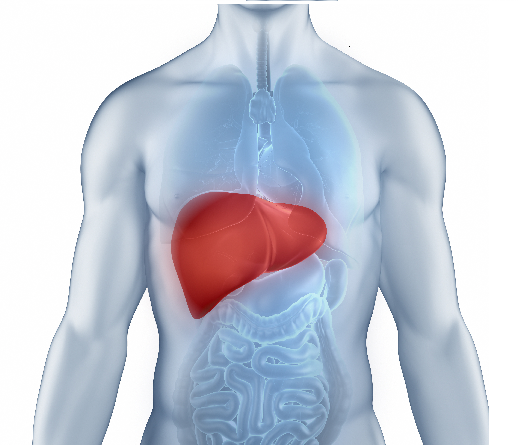
A liver transplant is a restorative procedure performed when a patient’s liver stops functioning partially or wholly. Liver deterioration is caused by factors like liver failure, cirrhosis, cancer, or some other end-stage chronic liver disease. Complications like accumulation of toxic waste in the body, compromised metabolism, and organ dysfunctions can occur due to improper functioning of the liver.
There are mainly three types of liver transplant procedures:
- Deceased Donor Liver Transplant (DDLT)
- Living Donor Liver Transplant (LDLT)
- Split Type Liver Transplant
Which Symptoms Occur When Liver Transplant is Needed?
The following symptoms indicate severe underlying conditions where a liver transplant is needed:
- Chronic fatigue: Prolonged tiredness due to slower metabolism and accumulated toxins in the body.
- Persistent jaundice: Yellowing of skin and eyes due to accumulation of bilirubin in the body.
- Nausea and vomiting: These happen due to toxin buildup and when the liver can’t filter blood and produce bile.
- Dark-coloured urine: When bilirubin accumulates in excess, it taints the urine a dark colour.
- Loss of appetite: This occurs due to metabolic issues when the liver is unable to digest food properly.
- Abdominal swelling: This is caused by fluid buildup (ascites) in the abdomen, resulting in swelling in the liver’s blood vessels.
- Sudden weight loss: This occurs due to muscle wasting and a lack of nutrients in the body.
What Causes Lead to a Liver Transplant?
A liver transplant is recommended only when the liver is irreversibly damaged and is unable to carry out its basic functions. This is caused by conditions like:
- Cirrhosis: This refers to irreversible scarring of the liver due to factors like excessive drinking, hepatitis, and fatty liver.
- Liver Cancer: Liver transplant is advised in cases where the cancer hasn’t spread to other organs.
- Biliary Atresia: This occurs in infants as a congenital condition in which the bile ducts are either blocked or absent.
- Acute Liver Failure: Autoimmune conditions, viral infections, and drug toxicity, such as overconsumption of paracetamol tablets, cause this.
What is the Evaluation Process for a Liver Transplant?
Specific tests and methods are used to evaluate the severity of liver damage. Here are steps that help assess the patient’s eligibility for a liver transplant:
- Physical evaluation: These are done to assess vital signs such as heart rate and blood pressure to determine procedure safety.
- Imaging and scans (MRIs, CT scans, etc.): Such tests provide a clear depiction of the liver’s condition in terms of tumors, scarring, and so on.
- Cardiac tests: It is essential to evaluate heart function to ensure the patient safely undergoes the transplant while under anaesthesia.
- Cancer screening tests: This helps evaluate the presence of any tumors that could impact the procedure’s success.
- Psychological evaluation: Issues like stress and anxiety are addressed while ensuring the patient gets ample support post the procedure.
A liver transplant is a restorative procedure which is recommended in cases where liver damage is irreversible. It is essential to track symptoms, get diagnosed, and seek treatment in a timely manner, as liver deterioration is rapid, with symptoms that disrupt day-to-day life.
With the proper medical care, even the severe cases can be treated in a way that significantly reduces the risk of recurrence. Upon encountering any of the symptoms, consult a healthcare provider to get tested and diagnosed.
Dr Lal PathLabs offers quick and reliable liver tests and check-ups. To book one, download the Dr Lal PathLabs app for at-home sample collection.
FAQs
1. Can liver be transplanted in cases of liver cancer?
Yes, liver can be transplanted in cases of liver cancer if the tumour is confined and meets transplant criteria.
2. Is liver transplant safe for long-term recovery?
Yes, liver transplant is considered safe, with over 90% short-term success. Long-term recovery depends on post-operative care and regular monitoring.
3. What is the liver transplant age limit for patients?
There is no fixed age limit. Patients are evaluated based on health, organ function, and surgical fitness.