Gastroesophageal reflux disease (GERD) occurs when stomach acid frequently flows back into the oesophagus, causing a burning sensation in the chest. It happens due to the weakening of the lower oesophageal sphincter. By understanding GERD and its symptoms, a person can make the necessary lifestyle changes to relieve discomfort.
This article looks into Gastroesophageal Reflux Disease meaning), what causes it and how it is diagnosed.
What is Gastroesophageal Reflux Disease (GERD)?
Gastroesophageal Reflux Disease (GERD) is a medical condition in which stomach acid and contents leak back into the oesophagus two or more times every week. Unlike occasional acid reflux, which is common and generally harmless, GERD is characterised by its frequency and persistence. It irritates the esophageal lining, causing discomfort and a burning sensation in the chest.
What Causes Gastroesophageal Reflux Disease (GERD)?
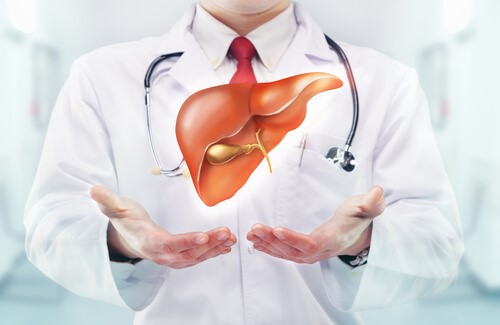
The food moves from the oesophagus into the stomach via a ring of muscle called the lower oesophageal sphincter (LES), which relaxes to pass food into the stomach before closing again. When LES does not close properly, stomach acid can easily move past it and enter the oesophagus, thus causing acid reflux. Occasional reflux is normal and can occur in situations such as lying down immediately after eating.
In cases of gastroesophageal reflux disease, the LES becomes weak and remains relaxed for a longer period, allowing stomach acid to frequently enter the esophagus. Over time, this repeated exposure irritates and damages the oesophageal lining.
What are the Risk Factors of GERD?
Some factors increase the risk of GERD, such as:
- Smoking: Smoke from tobacco relaxes the LES. It also slows down digestion and causes the stomach to produce more acid.
- Pregnancy: Increased abdominal pressure and hormonal changes during pregnancy relax the LES and reduce its ability to prevent acid from flowing back into the oesophagus.
- Obesity: Obesity affects the LES similarly to Pregnancy, but because of its longer duration, the damage to the esophageal sphincter is more permanent.
- Hiatal hernia: Hiatal hernia occurs when the top of the stomach passes through the diaphragm and pushes against it. This causes the LES to lose some of its muscular support, weakening it.
What are the Symptoms of Gastroesophageal Reflux Disease?
Gastroesophageal reflux disease symptoms include:
- Heartburn (happens after eating and worsens when lying down)
- Regurgitation (stomach contents coming back into the mouth)
- Sore throat
- Upper belly or chest pain
- Difficulty in swallowing
- Sensation of a lump in the throat
- New or worsening asthma
How is Gastroesophageal Reflux Disease Diagnosed?
A doctor can diagnose GERD based on a review of symptoms and a physical examination. To confirm the diagnosis, they can order the following tests:
- Upper endoscopy: A thin tube with a camera is passed into the oesophagus to examine its lining for irritation, inflammation, or other complications.
- Ambulatory acid (pH) probe test: A thin tube called a catheter is placed in the oesophagus to examine when and for how long the stomach acid regurgitates there.
- Motility test: This examines the oesophagus for any damage. A thin tube is put through the nose into the oesophagus to assess how well it’s functioning.
How to Treat Gastroesophageal Reflux Disease?
Gastroesophageal reflux disease treatments include dietary and lifestyle changes to reduce acid reflux. These include:
- Avoid foods that trigger acid reflux. These vary from person to person but often include spicy foods, fried foods, chocolate, coffee, peppermint and carbonated beverages.
- Avoid lying down for at least 2 or 3 hours after a meal.
- Eat frequent meals in smaller portions rather than eating a few big meals.
- Exercise regularly and lose weight to avoid building pressure in the upper abdomen.
- When sleeping or lying, keep the head elevated to avoid reflux.
- Avoid wearing tight-fitting clothes as they worsen heartburn and acid reflux.
- Quit smoking.
Gastroesophageal reflux disease can affect anyone, but with the right lifestyle changes, its symptoms can be managed. In case the symptoms become unmanageable, it is advised to consult a doctor and schedule a gastrointestinal test to detect any underlying disease.
To book a test, download the Dr Lal PathLabs app!
FAQs
- What is gastroesophageal reflux disease treatment?
Gastroesophageal reflux disease self-care and lifestyle changes form the foundation of treatment. Avoiding spicy and fried foods, maintaining a healthy weight and not lying down for 2 or 3 hours after a meal are some measures that help avoid GERD symptoms. - What are some symptoms of gastroesophageal reflux disease (GERD)?
Gastroesophageal reflux disease symptoms include heartburn, chest pain, regurgitation, trouble swallowing, new or worsening asthma, and a sensation of a lump in the throat. - What food triggers gastroesophageal reflux disease (GERD)?
The foods that often trigger GERD include spicy, fried, chocolate, coffee, peppermint, and carbonated beverages. This can also vary from person to person and requires monitoring the food eaten.