Gangrene is a severe medical condition that develops when body tissue dies due to reduced blood flow or infection. It most commonly affects the limbs, but internal organs can also be impacted. Gangrene can be caused by conditions such as diabetes, severe wounds, and infections. If not treated on time, gangrene can cause serious problems like infections or the need to remove the affected body part.
This article explores what gangrene disease is, its types, gangrene symptoms, causes, and diagnostic methods.
What Is Gangrene?
Gangrene is a severe condition that arises when body tissues die due to inadequate blood flow or a bacterial infection. It most generally affects the extremities, such as the fingers, toes, and limbs, but it can also develop inside the body. Without timely treatment, gangrene can spread rapidly and lead to severe health complications.
Early treatment and preventive measures are crucial for reducing the risk of complications.
What Are the Types of Gangrene?
There are many types of gangrene, each with distinct characteristics:
- Dry Gangrene: The affected area becomes dry, shrivelled, and dark due to poor blood supply. It is more common in diabetics and individuals with vascular diseases.
- Wet Gangrene: It develops when a bacterial infection causes tissue death. It spreads rapidly and requires urgent medical attention.
- Gas Gangrene: A rare but severe form caused by Clostridium bacteria, which produce gas inside tissues, leading to swelling, pain, and skin discoloration.
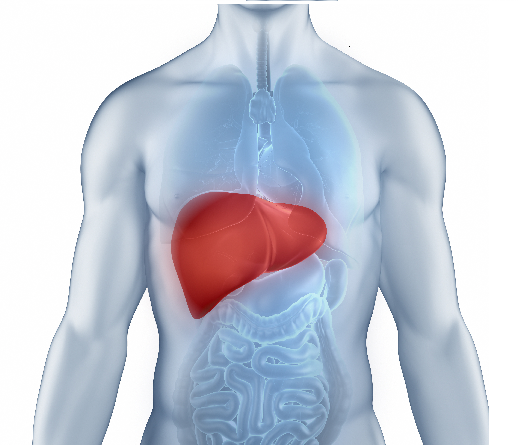
- Internal Gangrene: Affects internal organs, such as the intestines, gallbladder, or appendix, often due to blocked blood supply.
- Fournier’s Gangrene: A rare but serious gangrene affecting the genital and perineal areas, primarily seen in men.
What Are the Symptoms of Gangrene?
Gangrene symptoms vary based on the type and severity of the condition. Common signs include:
- Skin Discoloration: The affected area can change colour, turning blue, black, purple, or red.
- Severe Pain or Numbness: The area can initially be painful, but as the condition worsens, sensation can be lost.
- Swelling and Blisters: Fluid-filled blisters or ulcers can form on the skin.
- Foul-Smelling Discharge: Wet and gas gangrene disease often produces a strong, unpleasant odour.
- Fever and Fatigue: These signs indicate the infection has spread throughout the body.
What Causes Gangrene?
The primary gangrene causes include:
- Poor Blood Circulation: Conditions like diabetes, atherosclerosis, and peripheral artery disease reduce blood flow, increasing the risk of tissue death.
- Severe Infections: Bacterial infections, especially Clostridium Perfringens, can cause gangrene by producing toxins that destroy healthy tissue.
- Trauma or Injury: Deep wounds, burns, or frostbite can damage blood vessels, cutting the oxygen supply to the affected area.
- Diabetes and High Blood Sugar: People with diabetes are more prone to gangrene disease due to nerve damage and poor circulation.
- Weakened Immune System: Medical conditions such as cancer, HIV/AIDS, and long-term steroid use can impair immunity.
How Is Gangrene Diagnosed?
Doctors diagnose gangrene symptoms through:
- Physical Examination: Checking the affected area for discolouration, pain, swelling, or infection.
- Blood Tests: These help detect infections and assess organ function abnormalities.
- Imaging Tests (X-ray, MRI, or CT Scan): These scans determine the extent of tissue damage and detect gas gangrene.
- Tissue Culture and Biopsy: Identifies the bacteria causing the infection.
- Gangrene Tests: Specific lab tests confirm the type and severity of gangrene.
How to Prevent Gangrene?
Acting early is key to preventing gangrene effectively:
- Manage Underlying Conditions: Control diabetes, PAD, and other vascular diseases.
- Practice Good Wound Care: Clean and dress wounds promptly to prevent infection.
- Improve Blood Circulation: Exercise regularly, avoid smoking, and maintain a healthy diet.
- Check Feet and Hands: Inspect for cuts, blisters, or sores daily.
- Get Medical Help: Seek help for non-healing wounds or infections.
Gangrene is a severe medical emergency that requires prompt diagnosis and management. People with existing health conditions, such as diabetes or vascular diseases, should be particularly cautious when the first signs of tissue damage or infection occur.
Upon noticing any symptoms of gangrene, one must consult a doctor immediately and book a culture, anaerobic test with Dr Lal PathLabs for proper assessment and timely gangrene treatment.
FAQs
1. Who is most at risk for gangrene?
People with diabetes, vascular diseases, weakened immune systems, or smokers have a higher risk due to poor circulation and reduced infection resistance.
2. How to stop gangrene from spreading?
Immediate medical treatment is required. Treatment may include antibiotics, surgery, wound care, or amputation to remove infected tissue.
3. How to prevent gangrene?
Prevent gangrene by controlling diabetes, keeping wounds clean, staying active, avoiding smoking or extreme cold, and seeking help for slow-healing injuries.
4. How long does gangrene take to cause death?
If untreated, gangrene can lead to life-threatening infections like sepsis, which can cause death quickly depending on severity.