World Down Syndrome Day is observed annually on 21 March to raise awareness and promote inclusion for individuals with Down syndrome.
Down syndrome is a genetic condition caused by an extra copy of chromosome 21, affecting intellectual and developmental growth. Everyone with Down syndrome has unique abilities and specific health considerations.
In this article, we discuss what is Down syndrome, the symptoms of Down syndrome and the causes of Down syndrome during pregnancy.
What is Down Syndrome?
Down syndrome is a genetic disorder that occurs when an individual has an extra copy of chromosome 21. This additional genetic material impacts development and contributes to the physical traits associated with the condition. Its severity varies among individuals, leading to lifelong intellectual disability and developmental delays.
What are the Causes of Down Syndrome During Pregnancy?
An extra chromosome causes Down syndrome. Typically, human cells consist of 23 pairs of chromosomes, totalling 46. Down Syndrome occurs when chromosome 21 divides abnormally, resulting in an extra copy. There are three types of Down syndrome, each with a different cause.
- Trisomy 21
This is the most common type, in which every cell in the body has three copies of chromosome 21 instead of two. According to the Minnesota Department of Health, around 95% of individuals with Down syndrome have Trisomy 21.
- Translocation Down Syndrome
In this type, an extra full or partial chromosome 21 is present, but instead of being separate, it is attached to another chromosome.
- Mosaic Down Syndrome
This type involves a mix of cells, where some have three copies of chromosome 21 while others have the usual two. People with mosaic Down syndrome may show fewer traits linked with the condition.
What are the Symptoms of Down Syndrome?
A mother usually does not notice any signs of Down syndrome during pregnancy. However, screening tests can assess the chances of having a baby with the condition. Babies with this condition often exhibit the following Down syndrome symptoms-
- A flat face
- A small head and ears
- A short neck
- A tongue that sticks out
- Eyes that slant upward
- Ears with an unusual shape
- Weak muscle tone
Although newborns with Down syndrome may have an average birth weight and size, they usually grow and develop more slowly than other children.
Which Tests Are Used to Diagnose Down Syndrome?
Down syndrome is usually diagnosed before or at birth through screening and diagnostic tests.
Screening tests are done in the first and second trimesters. These tests assess the likelihood of Down syndrome and are safe for both the mother and baby.
In the first trimester, the following tests are conducted-
- Cell-Free DNA Test: This blood test examines the baby’s DNA in the mother’s blood to check for chromosomal abnormalities.
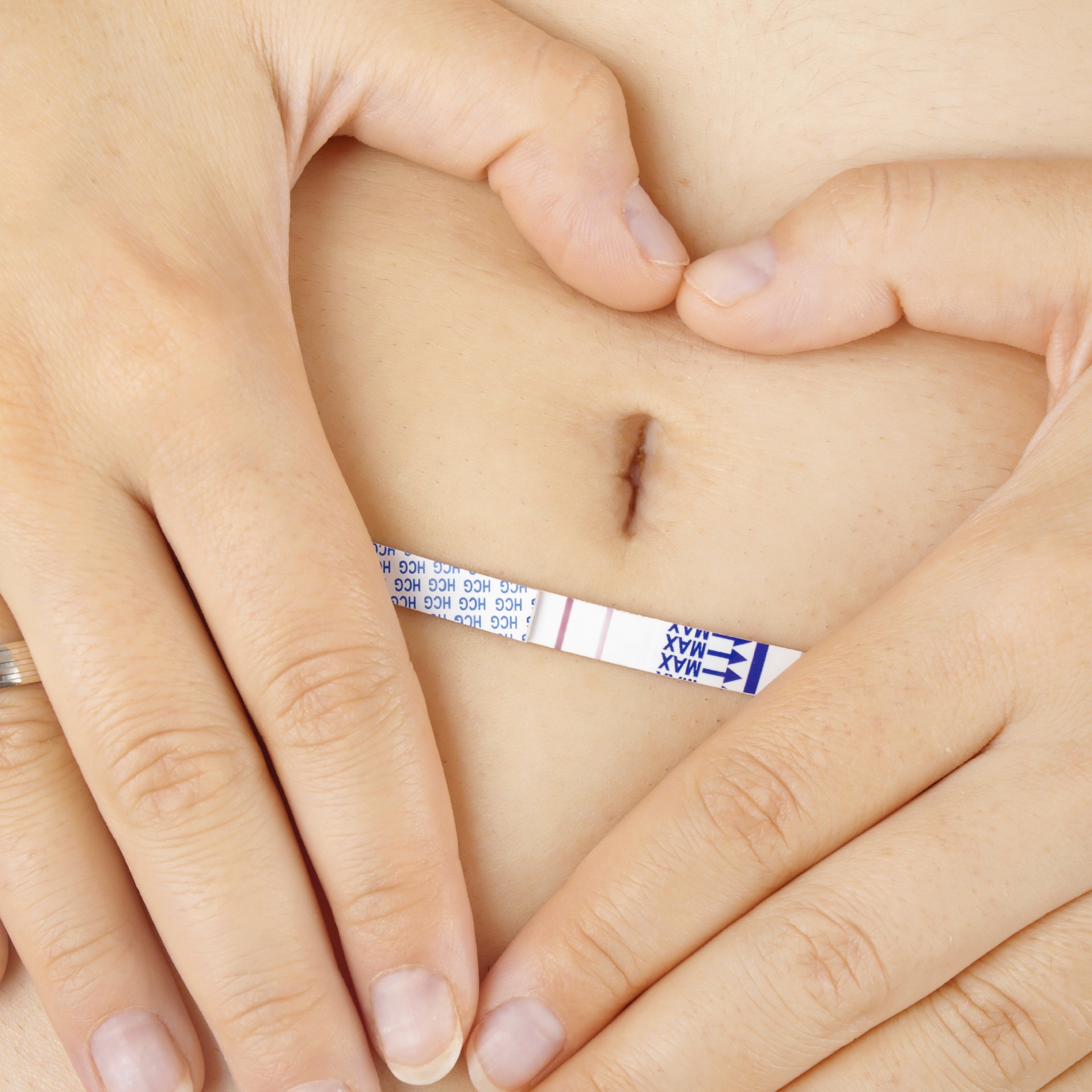
- Blood Tests: These check the levels of PAPP-A protein and hCG Abnormal levels may indicate a problem with the baby.
- Ultrasound (Nuchal Translucency Test): This scan checks for extra fluid at the back of the baby’s neck. While excess fluid may suggest Down syndrome, further tests are needed to confirm.
In the second trimester, these tests may be performed-
- Blood Tests: The triple or quad-screen test measures proteins and hormones in the blood. These results, combined with first-trimester tests, estimate the risk of Down syndrome.
- Ultrasound: A more detailed scan looks for physical features linked to Down syndrome.
Screening tests do not confirm Down syndrome; they only indicate the risk level. To confirm a diagnosis, diagnostic tests are needed.
- Diagnostic Tests
Diagnostic tests provide a definite diagnosis but are usually done only after a positive screening result, as they carry a small risk of miscarriage. These include-
- Chorionic Villus Sampling (CVS): A placenta sample is taken in the first trimester.
- Amniocentesis: A specimen of amniotic fluid is collected in the second trimester.
- Percutaneous Umbilical Blood Sampling (PUBS): Blood is taken from the umbilical cord in the second trimester.
How to Prevent Down Syndrome During Pregnancy?
There’s no known way to prevent Down syndrome as it is caused by a random genetic event during the early stages of pregnancy. However, certain factors can influence the risk. One of the most noted factors is the age of the mother. The likelihood of having a child with Down syndrome rises with maternal age, especially after the age of 35. A family history of Down syndrome may also slightly increase the risk.
While Down syndrome cannot be prevented, early detection is possible through screening tests during pregnancy. Expectant mothers should consult their doctor to understand and explore their testing options. Book prenatal tests with Dr Lal PathLabs for accurate diagnosis and reliable results.
FAQs
1. What is the life expectancy of someone with Down syndrome?
Down syndrome does not significantly reduce life expectancy. Many individuals live active, healthy, and relatively independent lives into their 60s, 70s, and beyond.
2. What treatment is available for Down syndrome?
There is no universal Down syndrome treatment. Instead, care is tailored to each person’s physical and intellectual needs, focusing on medical support, therapy, and early interventions.