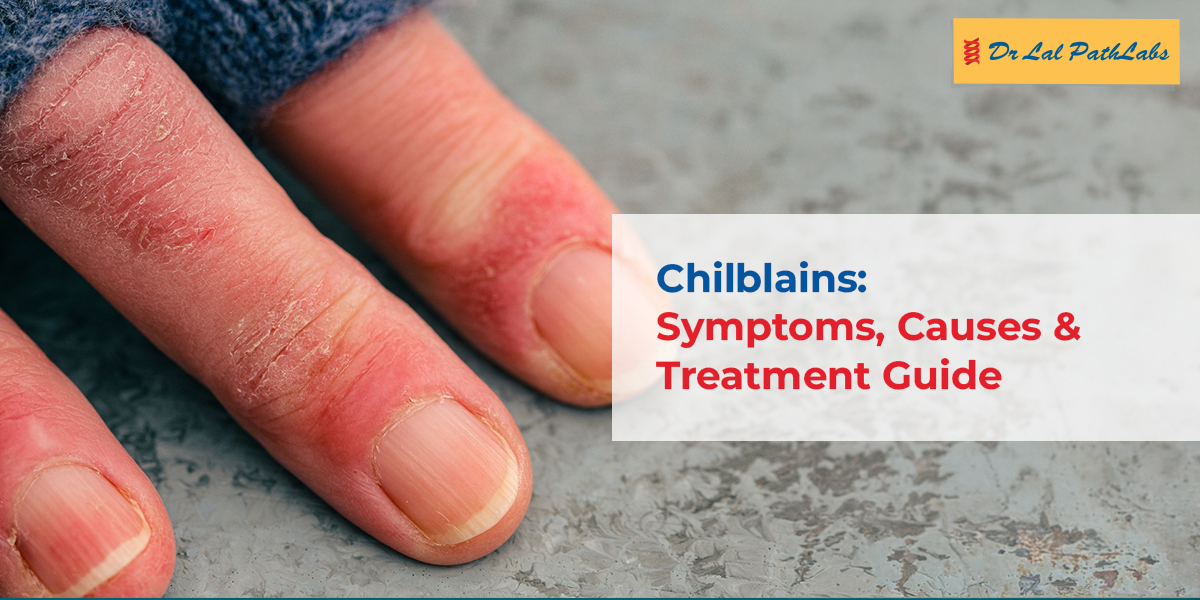
During colder months, a seemingly harmless walk or a sudden shift from outdoor chill to indoor warmth can leave the skin unusually sensitive. Redness, itching, and swelling appear on the toes or fingers, sometimes mistaken for dry skin or minor frostbite. With time, the discomfort intensifies and patches of discolouration become more noticeable.
This condition is widely known as chilblains, or perniosis in medical terminology, and it affects thousands of people around the world every winter. This article explores what chilblains are, their symptoms, and their causes.
What are Chilblains?
Chilblains or perniosis refers to an inflammatory skin condition triggered by abnormal circulation in small blood vessels after exposure to cold temperatures. When the body is exposed to cold, blood vessels constrict to conserve heat.
However, in chilblains, the vessels react too rapidly when warmth returns, leading to blood leakage into nearby tissues. This results in painful swelling, discolouration, and itching.
Although chilblains are not typically dangerous, recurring episodes can cause significant discomfort and may develop into open sores.
What Causes Chilblains?
Key contributing factors to chilblains include:
- Prolonged exposure to cold and damp weather.
- Sudden warming of the skin after being in the cold.
- Poor peripheral circulation.
- Damp or tight footwear during winter.
- Low body mass or inadequate insulation against cold.
What are the Types of Chilblains?
Chilblains can be categorised into two types:
- Primary Chilblains: Primary chilblains occur independently without any underlying medical condition. They tend to appear during winter and usually settle once warmer weather returns.
- Secondary Chilblains: Secondary chilblains are linked to pre-existing medical conditions such as lupus or other autoimmune or connective tissue disorders.
What are the Symptoms of Chilblains?
Common chilblain symptoms develop several hours after exposure to cold and include:
- Red, blue, or purple discoloured skin patches
- Burning or painful sensation
- Intense itching and sensitivity
- Swelling in the affected areas
- Skin dryness or cracking
- Blisters or ulceration in severe cases
Symptoms frequently appear as chilblains on toes and chilblains on fingers, although the face, ears, or heels may also be affected.
What are the Risk Factors of Chilblains?
Certain individuals may have a slightly higher likelihood of developing chilblains. Risk factors include:
- Living in cold or damp climates
- Circulatory disorders
- Connective tissue diseases or autoimmune disorders
- Low body weight or poor insulation against cold
- Smoking, which constricts blood vessels
The condition is observed more frequently in children, adolescents, and older adults, possibly due to differences in vascular response and skin sensitivity.
How are Chilblains Diagnosed?
Diagnosis of chilblains is usually based on a series of physical examinations and medical history. The visual appearance of affected skin often provides strong indicators. For recurrent or atypical cases, additional tests may be recommended:
- Blood evaluations to rule out autoimmune or vascular disorders.
- A skin biopsy test is performed when symptoms resemble other inflammatory conditions or infections.
How Long Do Chilblains Last?
Chilblains’ duration varies depending on severity, weather exposure, and underlying health conditions. Mild chilblains often improve within one to three weeks once cold exposure is reduced and proper care is taken. In individuals with autoimmune or circulatory disorders, symptoms may take longer to resolve and might return every winter.
When to Consult with a Doctor?
Medical evaluation becomes essential under the following circumstances:
- Persistent swelling or pain that does not resolve within two to three weeks.
- Development of open sores, crusting, or signs of infection.
- Chilblains appear in the winter months.
- History of diabetes, autoimmune disorders, or circulatory disease.
- Recurrence every winter despite preventive efforts.
Upon noticing a chilblain, it is important to consult with a healthcare provider and schedule the required tests for early diagnosis and chilblain treatment. To schedule a test, download the Dr Lal PathLabs today!
Frequently Asked Questions
- How to prevent chilblains?
Chilblains can be reduced by keeping extremities warm during cold weather, avoiding sudden temperature shifts, ensuring footwear is well-fitted and dry, quitting smoking to improve blood circulation and maintaining good skin care to prevent dryness and cracking. - How to stop chilblains from spreading?
Chilblains do not spread from person to person because they are not infectious. However, new lesions can appear if exposure to cold continues. Minimising cold exposure and protecting the affected regions can prevent recurrence in other areas. - What does a chilblain look like?
A chilblain typically appears as a red, bluish, or purplish patch on the skin that may be swollen, itchy or tender. In severe cases, blisters or crusting can form on top of the inflamed area. - What is the fastest way to heal chilblains?
Chilblains improve most effectively when the affected areas are gradually rewarmed, protected from further cold exposure, and kept dry. In persistent or severe cases, doctors may prescribe topical creams or medications that improve blood circulation to support faster recovery.