Overview
One of the essential vitamins that we need for our overall health is vitamin D. Vitamin D is synthesized in the body when exposed to sunlight, and hence, is also called the sunshine vitamin.
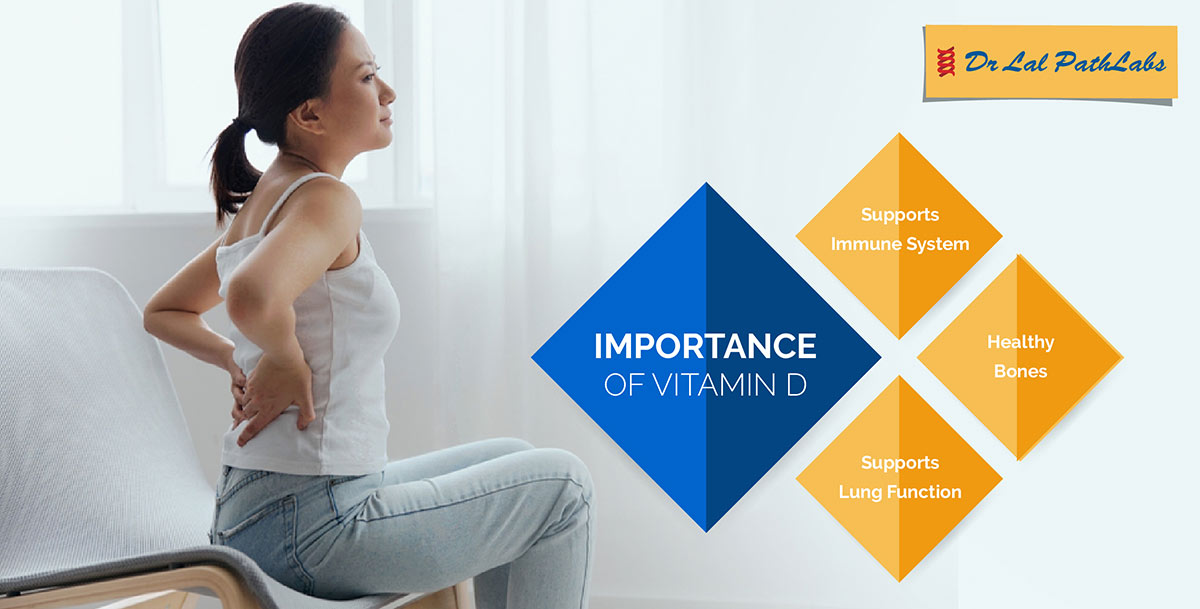
Vitamin D has many functions, including:
- It regulates the levels of calcium and phosphate in your body. In order to maintain healthy bones, teeth, and muscles, it is necessary to have these nutrients.
- It helps to protect against various conditions, such as:
- Osteoporosis
- Heart disease
- Hypertension
- Diabetes
- Infections and Immune system disorders
- Cancer such as Colon, Prostate, and Breast cancer
- Falls in older people.
Bone abnormalities such as rickets in young children and bone pains caused by a condition called osteomalacia in adults may result from the lack of vitamin D.
How do you get Vitamin D?
Sources of Vitamin D include:
- The body forms Vitamin D naturally after exposure to sunlight.
- Foods such as:
- Oily fish e.g., Salmon, trout
- Cheese
- Mushrooms
- Egg yolk
- Fortified milk, cereals, juices.
- Dietary supplements
What causes Vitamin D deficiency?
Vitamin D deficiency is a condition wherein there is a reduced amount of Vitamin D in the body. Decreased exposure to sunlight, which may also be accompanied by low dietary sources, is a major cause of Vitamin D deficiency. It can also be caused by:
- Medical conditions, such as Cystic fibrosis, Crohn’s disease, or Celiac disease. These diseases do not allow the intestines to absorb enough vitamin D through supplements.
- Weight loss surgeries make consuming sufficient quantities of certain nutrients, vitamins, and minerals very difficult.
- Obesity. Fat cells keep vitamin D isolated so that it is not released.
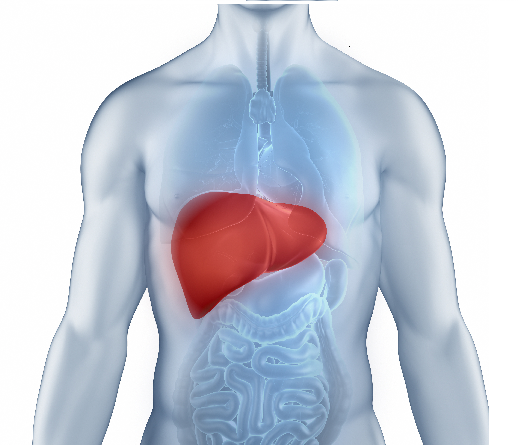
- Diseases in the kidney and liver reduce the amount of an enzyme necessary for conversion from vitamin D to a form that is present in the body.
- Age
- Skin color. Darker skin reduces the body’s ability to absorb the sun’s ultraviolet radiation B (UVB) rays.
- Medications such as laxatives, steroids, cholesterol-lowering, and seizure-control drugs.
- Breastfeeding. Infants who exclusively breastfeed need a vitamin D supplement.
What are the symptoms of Vitamin D deficiency?
The deficiency of vitamin D may manifest in the following signs and symptoms:
- Bone and muscle pain
- Fatigue
- Muscle weakness, muscle aches, or muscle cramps
- Depression
- Regular illness or infection
- Hair loss
- Impaired wound healing
- Anxiety or irritability
- Weight gain
How to overcome Vitamin D deficiency?
The following can help increase the Vitamin D content in the body:
- Outdoor activity for 10-15 minutes in the sun every day
- Have more Vitamin D rich foods e.g., mushroom, fish, egg yolk, fortified cereals
- Opt for Vitamin D supplements after consultation with your doctor.
How is Vitamin D deficiency diagnosed?
Doctors may order below blood tests:
1. Vitamin D 25, Hydroxy
This test measures vitamin D levels in the blood. In the blood, we can measure two forms of vitamin D, 25-hydroxyvitamin D and 1,25-dihydroxyvitamin D which is essential to bone health and growth.
This test is helpful for diagnosing Vitamin D deficiency and Hypervitaminosis D. It is also used for diagnosing causes of Rickets & Osteomalacia and monitoring Vitamin D replacement therapy.
2. Vitamin D 1, 25 Dihydroxy
1,25-Dihydroxy vitamin D plays a primary role in the maintenance of calcium homeostasis. A part of circulating 25-hydroxy vitamin D is converted to a 1,25-dihydroxy form in the kidneys. This test may help evaluate calcium metabolism in individuals with hypercalcemia or renal failure in addition to Vitamin D, 25-Hydroxy testing.
Disclaimer:
This blog is for informational purposes only and should not be construed as advice or as a substitute for consulting a physician. It is not a substitute for medical advice or treatment from a healthcare professional.