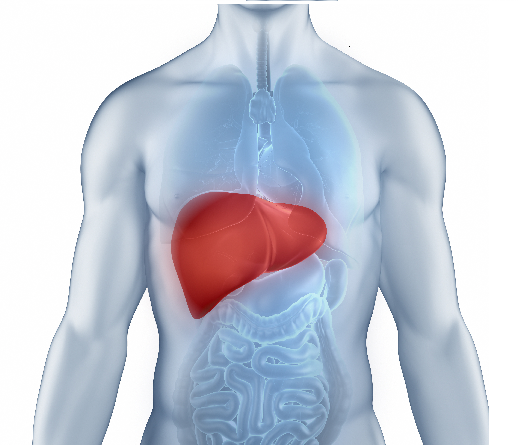
Hepatitis is a medical condition affecting the liver. In this condition, the liver gets infected, which disrupts its ability to function properly. The leading cause behind this infection is the hepatitis virus.
There are five types of hepatitis viruses, and each of them causes a different hepatitis, which is also known as viral hepatitis.
This article delves into the different types of viral hepatitis, their causes, symptoms, and management.
What are the Different Types of Hepatitis?
There are mainly five types of viral hepatitis based on the virus of its cause. These are:
Hepatitis A
Hepatitis A is caused by the Hepatitis A Virus (HAV). HAV is present in the faeces of people infected with Hepatitis A and is mainly transmitted through contamination of food and water. This hepatitis is acute or caused for a very short term. Vaccination is available for hepatitis A. According to a report published by the Ministry of Health and Family Welfare, HAV is responsible for 10-30% of acute hepatitis (short-term) and 5-15% of acute liver failure cases in India.
Hepatitis B
This viral infection is caused by the Hepatitis B Virus (HBV). The virus is transmitted through blood, semen, saliva, and other bodily fluids. It can also be passed from a pregnant woman with hepatitis B to her baby. Blood transfusions of contaminated blood, using contaminated syringes during medical procedures, and sharing of needles while taking drugs are also leading causes of hepatitis B. It also has an effective vaccine at present.
Hepatitis C
Hepatitis C is caused by the Hepatitis C Virus (HCV). It is mainly acquired through blood infection, which occurs through the transfusion of HCV-infected blood, using infected syringes, and sexual intercourse with infected persons. Hepatitis can lead to serious liver damage.
The difference between hepatitis B and C is that the former can be transmitted through bodily fluids, while the latter requires blood-to-blood contact.
Hepatitis D
Hepatitis D Virus (HDV) is the cause behind Hepatitis D. It mainly affects individuals already infected with hepatitis B. While the disease is rare, the combination of the two infections increases the severity of the condition. The vaccine for hepatitis B can also prevent hepatitis D.
Hepatitis E
Hepatitis E Virus (HEV) is the cause behind Hepatitis E infection. It can also be transmitted through water and food contamination. The disease is acute, and its effects on pregnant women are very serious. Eating undercooked pork or shellfish can also be transmitted.
Hepatitis A, B, and C are the most common infections. According to the National Guidelines for Diagnosis and Management of Viral Hepatitis report, around 40 million people are chronically infected with HBV, and 6 -12 million people have Hepatitis C in India.
What is Non-Infectious Hepatitis?
Non-infectious Hepatitis is characterized by liver failure and is not caused by viral infection but has other causes, such as:
- Excess alcohol consumption in case of alcoholic hepatitis
- Consumption of poisons, chemicals, or supplements in case of toxic hepatitis.
- Autoimmune hepatitis occurs when the immune system dysfunctions and attacks the liver.
What are the Symptoms of Hepatitis?
People affected with chronic forms of hepatitis do not show symptoms until the damage reaches the liver. Some common symptoms associated with acute forms of hepatitis include:
- Feeling tired and weak
- Loss of hunger and weight loss
- Feeling nauseous frequently
- Yellowing of skin and eyes
- Pain in the upper side of the abdomen
- Darker appearance of urine
- Pale stools
- Feeling joint pains and body aches
- Having fever
How to Diagnose Hepatitis?
Hepatitis can be diagnosed in many ways. Some of them are:
- A physical exam to detect a swollen and enlarged liver
- Blood test to verify the presence of high-quality liver enzymes secreted in case of damaged or infected liver. It also confirms the presence of any of the five viruses.
- Liver biopsy to confirm liver infection and quantify the exact amount of damage.
How to Prevent Hepatitis?
Prevention of hepatitis requires a range of lifestyle modifications and medical procedures. These methods include
- Vaccinating in case of HAV and HBV infections for which vaccines are available. Vaccine for HBV can also prevent HDV infections
- High sanitation levels
- Eating nutrient-rich foods for a healthy liver
- Safe sexual practices by using condoms to prevent the exchange of body fluids
- Taking precautions when handling blood or bodily fluids
A clear understanding of the causes and symptoms of hepatitis is required to manage it and decide when to consult a healthcare provider.
If symptoms of hepatitis are observed, seek medical attention and book a hepatitis test with Dr Lal PathLabs for effective diagnosis.
FAQs
Which hepatitis is most dangerous?
Hepatitis C is the most dangerous because it can cause severe liver damage, and no vaccine is available for it.
How do we differentiate between the different types of hepatitis?
Hepatitis A and E are caused by contaminated food and water, while Hepatitis B, C, and D involve contact with bodily fluids like blood, saliva, and semen.