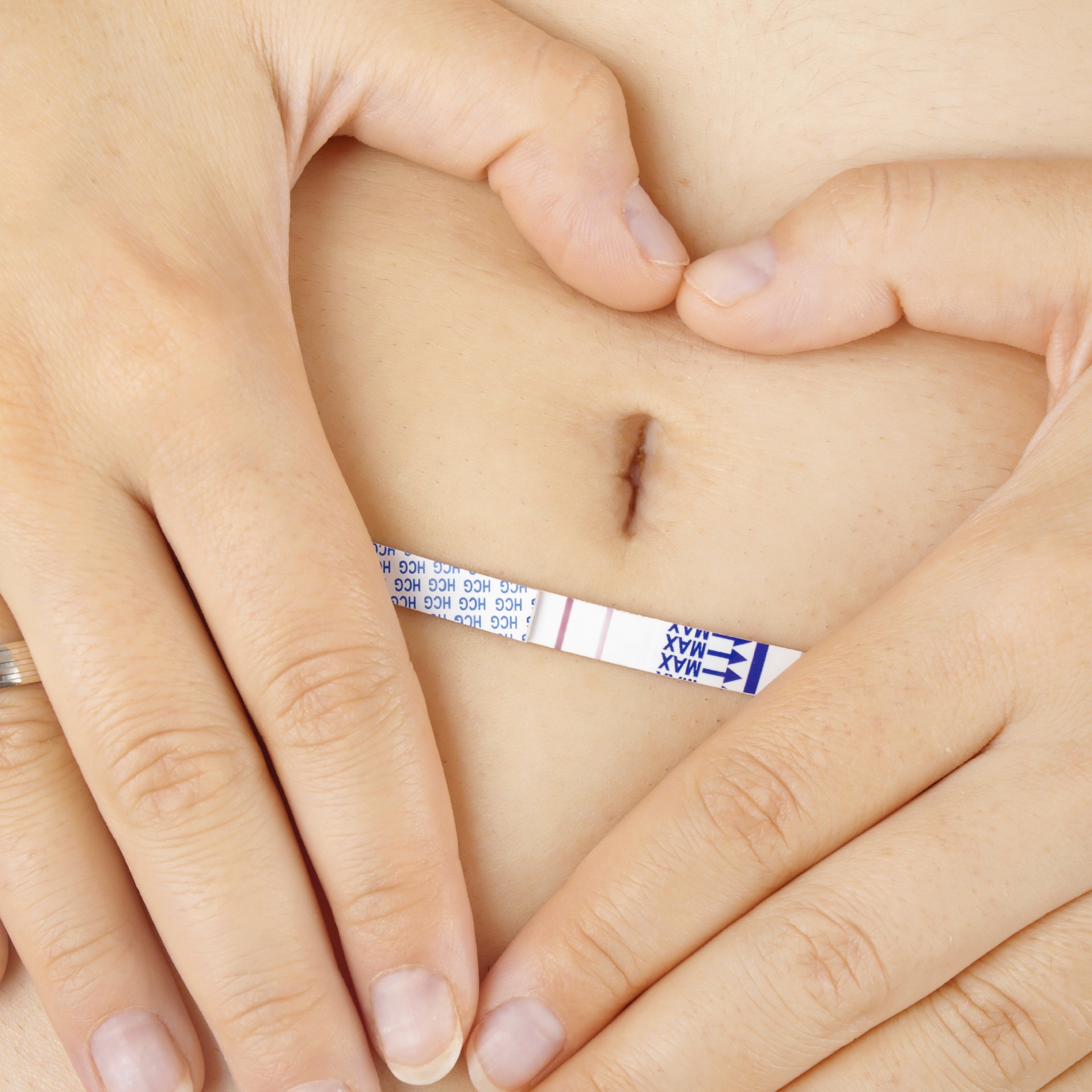
 According to the World Health Organisation, around 2,00,000 pregnant and post-partum women around the world develop Tuberculosis every year.
Untreated Tuberculosis may have severe health consequences for expecting mothers and their babies.
This article will explore the risks and management of Tuberculosis during pregnancy and the effect that the disease can have on the fetus.
What is Tuberculosis?
Tuberculosis is an infectious disease which mainly attacks the lungs but may spread to other body parts, such as the brain, spine, and kidneys.
The bacterium Mycobacterium tuberculosis causes Tuberculosis.
The TB bacteria can infect a person when they breathe in air that has infected droplets. These droplets can enter and spread the air through various means, including when an infected person:
- Coughs
- Sneezes
- Speaks
- Sings
Tuberculosis can be of two types:
- Latent Tuberculosis (does not cause symptoms)
- Active Tuberculosis (causes symptoms)
How Does Tuberculosis Affect Pregnancy and the Fetus?
Pregnant women are at higher risk of getting Tuberculosis. Untreated Tuberculosis poses serious threats to both the pregnant woman and the fetus.
An active TB infection is often associated with poor maternal and fetal health and can cause various health complications, including increased risk of miscarriage.
TB is a known contributor to maternal morbidity (health complications that occur during pregnancy, such as anaemia) and also puts babies born to these mothers at higher risk of infection.
Infants born to women with untreated active Tuberculosis may suffer from a lower birth weight than those born to women without TB.
Rarely, the baby may be born with Tuberculosis.
What are the Risk Factors of Tuberculosis?
Pregnant women who have been exposed to the TB bacteria are at much higher risk of developing Tuberculosis. They may be exposed to the bacteria by:
- Being a healthcare worker who regularly interacts with people
- Working or living in spaces where people live close together, such as clinics and prison facilities
- Travelling to a TB-ridden region
- Living with someone who has an active TB infection
A major active Tuberculosis risk factor is a weakened immune system. Pregnant women who have a compromised immune system are at greater risk of active TB infection. Their immune system may be weak due to certain medications or health complications, such as diabetes, cancer, or HIV.
What are the Symptoms of Tuberculosis?
Latent TB often does not cause any symptoms.
On the other hand, pregnant women with an active TB infection may experience various symptoms of Tuberculosis, including:
- Persistent coughing
- Coughing up mucus or blood
- Fever
- Chills
- Night sweats
- Weight loss
- Loss of appetite
- Chest pain
- Fatigue
How is Tuberculosis Diagnosed in Pregnancy?
Pregnancy tests for Tuberculosis may include:
- A TB skin test to measure the immune system’s response to Tuberculosis in pregnancy PPD (purified protein derivative).
- A TB blood test to measure the resultant reaction from mixing the woman’s blood sample with TB antigens.
These tests can help determine whether the pregnant individual has been exposed to the TB bacteria. If test results are positive, the individual’s healthcare provider may perform additional tests to distinguish between a latent or active TB infection, including:
- Chest X-rays
- Sputum sample tests
How Can Pregnant Women Manage Tuberculosis?
Proper management of Tuberculosis is crucial to ensure the health of the expecting mother as well as the baby.
The most effective way to manage Tuberculosis is to complete the full course of antibiotics prescribed by a healthcare professional. The healthcare provider will prescribe safe medication during pregnancy and regularly monitor the mother and baby for any problems.
Women with latent TB can delay starting medications until two- or three months post-partum. However, women with active TB are usually advised to start right away.
Additionally, the affected mother must take appropriate measures to avoid spreading Tuberculosis to other individuals. These measures include avoiding or masking in public spaces and avoiding close contact with others.
Untreated Tuberculosis during pregnancy can lead to serious undesired health consequences. Timely diagnosis and proper care are needed to ensure the health of both the mother and the baby. Upon noticing signs of Tuberculosis, contact a healthcare professional and book a TB test with Dr Lal PathLabs.
FAQs
1. Can TB medication affect breastmilk?
Certain TB medications may cause bodily fluids, including breastmilk, to experience orange discolouration. This sort of discolouration is a harmless and expected effect of the medication.
2. Are there any side effects to TB testing?
TB testing may cause some side effects, but these effects are harmless and wear off quickly. A TB skin test may result in swelling, discolouration, or tenderness around the injection site. A TB blood test may cause tenderness or slight bruising at the site where the individual’s blood was drawn.
3. How to prevent Tuberculosis during pregnancy?
Preventative measures that can help both the contraction and spread of Tuberculosis in pregnancy include avoiding close contact with others, washing hands thoroughly, regularly taking any prescribed medications, and avoiding public spaces.