In India, millions suffer from poor liver health and liver disease. Reports from the journal Clinical Liver Disease indicate that out of the 2 million liver disease-related deaths that occurred globally in 2015, India contributed to 18.3% of them.
Liver disease and inflammation can severely impact an individual’s health and, in some cases, become fatal. Early detection and treatment are central to prevent long-term consequences. This is where the SGPT test comes in. The SGPT, or Serum Glutamic Pyruvic Transaminase test, measures the liver’s health.
SGPT is also known as alanine aminotransferase (ALT), an enzyme in liver cells. High levels of SGPT in the blood can indicate severe liver damage or liver disease. Read on to learn about the significance of SGPT and how to reduce it.
What is Liver Health?
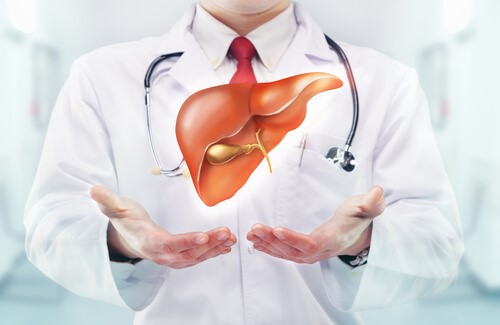
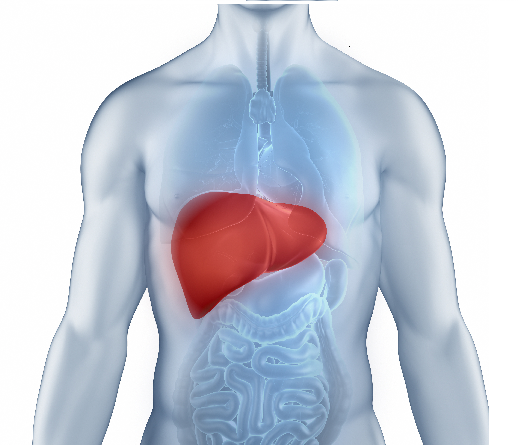
The liver is the biggest organ in the body, performing more than 500 vital functions. These include digesting proteins, storing minerals, producing bile, and filtering blood. Several factors, such as infection, lifestyle habits, or genetic conditions, can cause disruptions in liver functioning. If not detected in time, poor liver health can lead to severe health conditions. Early detection and treatment are necessary for successful recovery. Elevated liver enzymes like SGOT and SGPT are common signs of poor liver health.
What are the Causes of High SGOT and SGPT?
When SGOT and SGPT is high, the underlying cause is liver inflammation or liver damage. The causes can include:
- Excess consumption of alcohol, which leads to liver cirrhosis or scarring.
- Deposition of extra fat on the liver that results in fatty liver.
- Hepatitis disease, which damages the liver.
- Taking certain medications like antibiotics and painkillers may result in hypertoxicity that damages the liver.
- Diabetes, liver cancer, and bile duct diseases.
What are the Warning Signs of High SGPT?
High levels of SGPT in the bloodstream are associated with liver inflammation or even severe liver diseases. When SGPT is high, symptoms start to appear in the body, which should be carefully monitored for early detection of diseases that can lead to increased chances of successful treatment. The symptoms that appear include:
- Jaundice or yellowing of eyes and skin
- Pain and swelling in the upper abdomen
- Nausea and vomiting
- Dark coloured urine
- Weakness and fatigue
- Frequent itching
- Light-coloured stool
- Loss of appetite
- Swelling in legs and ankles
What is the SGPT Test?
SGPT, or ALT, is an enzyme secreted in the liver that helps convert proteins into energy for liver cells. An enzyme is a protein that increases chemical reactions in the body. Typically, the level of SGPT in the bloodstream is low, but when the liver gets inflamed or injured, the liver cells leak higher levels of SGPT in the blood.
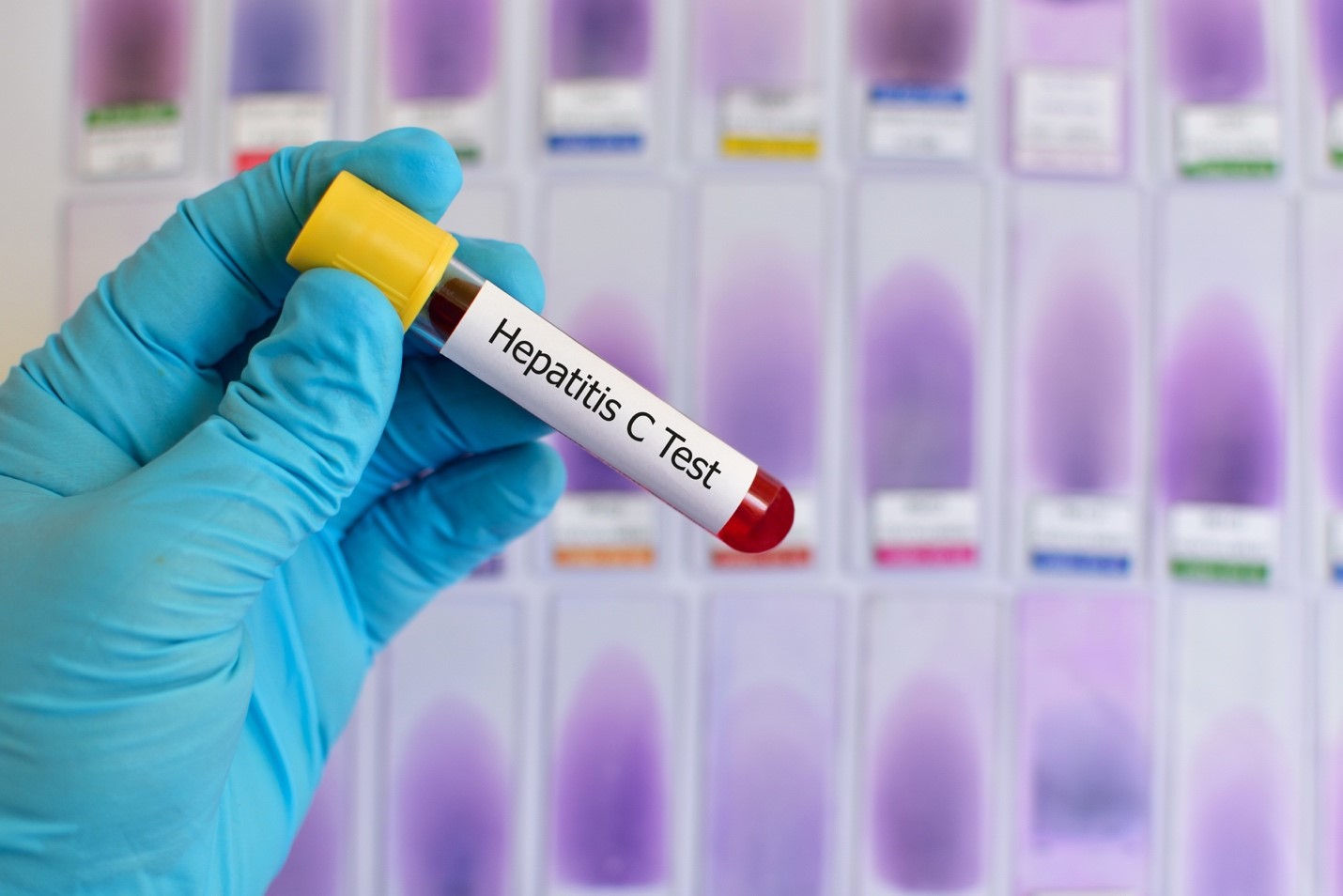
An SGPT test is done to detect the level of SGPT or ALT enzyme in the blood. While the test is part of routine checkups, it is often included with other liver function tests to assess the liver’s working.
What is the Normal Range in the SGPT Test?
People who have healthy livers have normal levels of SGPT. This level is measured in units/litre (U/L). Although the normal value may differ slightly for different laboratories, the most common normal range is taken as 7 and 56 units per litre. Along with the SGPT, several doctors prescribe an SGOT test for further confirmation of liver damage. The normal range for an SGOT test is generally between 8 and 45 units per litre.
What is the SGOT Test?
Just like SGPT, the liver secretes SGOT or Serum Glutamic-Oxaloacetic Transaminase enzyme. The function of the enzyme is to help the body break down food and toxins. An increase in SGOT levels is associated with liver damage, liver diseases, or even muscle damage. When SGOT is high, symptoms are mostly similar to those of elevated SGPT levels. But sometimes, it is accompanied by chest pain, shortness of breath, palpitations, and dizziness.
An increase in SGOT and SGPT levels can be a warning sign of critical conditions, including liver damage, cirrhosis, muscle injury, and cardiovascular disease. It’s essential to understand the danger levels of SGOT and SGPT and the symptoms associated with them.
If one notices symptoms of elevated levels of SGPT, they should immediately consult their healthcare provider. To book an SGPT test, visit the Dr Lal PathLabs website today.
FAQs
-
What happens if SGOT is high?
A high level of SGOT is often indicative of acute liver damage or severe liver diseases such as liver cirrhosis, hepatitis, or even liver cancer. It’s important to consult a healthcare provider if one notices symptoms of elevated SGOT levels.
-
Does SGPT increase cause any serious condition?
An increase in SGPT is caused by inflammation or damage of the liver, which can happen due to high consumption of alcohol or any severe underlying conditions like liver cirrhosis, fatty liver, viral hepatitis, and liver tumour or cancer.
-
How to reduce SGPT naturally?
One must take the following steps to reduce the levels of SGPT without any medications or treatments:
- Eat a balanced diet.
- Drink an ample amount of water.
- Exercise regularly.
- Avoid taking medicines like antibiotics and painkillers.
- Reduce alcohol consumption.