RSV is one of the most common respiratory viruses affecting young children worldwide, yet many parents are unaware of how serious it can become. While it often resembles a mild cold in healthy adults, it can pose significant health risks for infants, toddlers, and vulnerable individuals.
This article explores what RSV is, its symptoms, and how to prevent it.
What Is RSV?
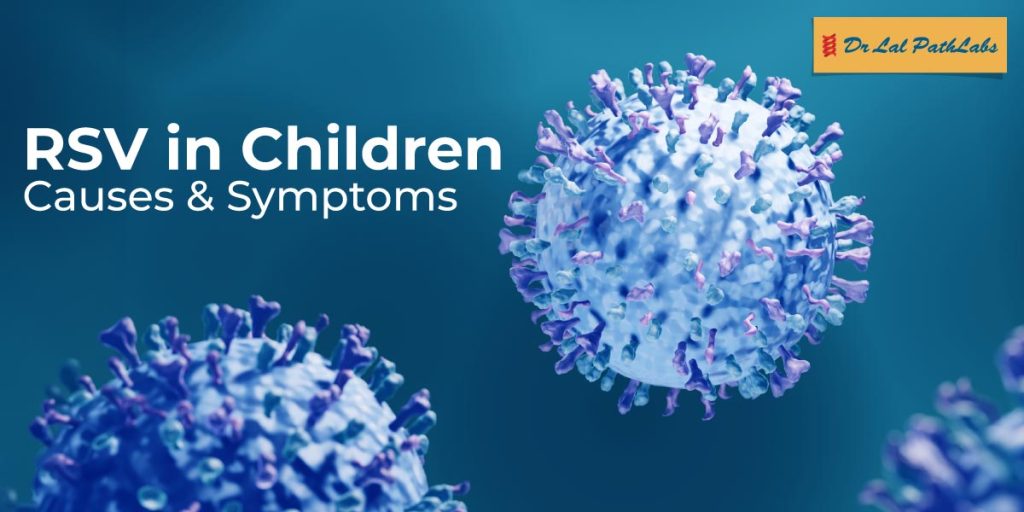
RSV stands for respiratory syncytial virus. It is a seasonal virus that typically spreads between August and January. It infects the nose, throat, respiratory tract, and lungs and causes cold-like symptoms. It is common for children below the age of 2 to acquire the RSV virus.
RSV in adults only causes mild symptoms. However, infants and those who have a weakened immune system can get severely ill from RSV and may require hospitalisation. RSV virus is the most common cause of pneumonia (infection of the lungs) and bronchiolitis (inflammation of the small airways in the lungs) in children below 1 year of age.
What Causes RSV Infection?
Respiratory syncytial virus is the primary cause of RSV infection. RSV is a highly contagious infection that can spread from:
- Coming in contact with an infected person
- Respiratory droplets in the air from coughing and sneezing
- Touching contaminated objects or surfaces.
The RSV virus can survive on hard surfaces for several hours, which is why regular sanitisation of commonly touched surfaces and objects is strongly recommended, especially in households with young children.
What Are RSV Symptoms?
RSV symptoms are generally similar to those of the common cold, but they can vary by the child’s age.
Symptoms in babies younger than 1 year include:
- Fever
- Cough
- Change in breathing pattern
- Fussiness or irritability
- Decreased appetite
Symptoms in toddlers include:
- Runny nose
- Fever
- Coughing and sneezing
- Trouble swallowing
- Little interest in playing
- Faster-than-normal breathing
RSV can become severe in children and may require hospitalisation. It is advisable to consult a doctor if a child develops any of the following symptoms:
- Noisy breathing
- Flaring of nostrils while breathing
- Apnea (pause in breathing)
- Blue or grey colour on the lips, mouth, and fingernails
- Shallow and rapid breathing
- Caving in of the chest while breathing
What Are RSV Complications?
RSV can cause certain complications in children younger than 2 years of age and people with weakened immunity. These include:
- Bronchiolitis (inflammation of the small airways in the lungs)
- Pneumonia (infection of the lungs)
What Are the Risk Factors of RSV?
It is common for children under 2 to contract respiratory syncytial virus more than once. RSV treatment is primarily done at home as it mostly has mild symptoms. But certain individuals are more likely to become severely ill from RSV. These are:
- Infants born prematurely
- Infants younger than 6 months
- Children with congenital heart disease
- Children with chronic lung disease
- Individuals with a weakened immune system
- Adults with lung or heart disease
- People older than 65 years
How is RSV Diagnosed?
A doctor diagnoses RSV in babies with physical examination and an RSV test that requires taking a swab from the child’s nose. In more severe cases or when a child is hospitalised, additional tests may be recommended. These include a chest X-ray to check for pneumonia or other complications, blood tests, and urine tests.
How to Prevent RSV?
Respiratory syncytial virus is very contagious and can infect anyone. RSV in babies can be prevented with:
- Monoclonal antibody immunisation (nirsevimab) for babies which provides antibodies to fight off RSV infection.
- Breastfeeding, as breast milk contains antibodies that help babies ward off infections.
Parents and primary caregivers can also help children adopt certain lifestyle habits that can prevent the spread of the RSV virus. These include:
- Covering mouth when coughing and sneezing
- Washing hands
- Sanitising surfaces that children often come in contact with
- Washing children’s toys regularly
RSV is highly contagious and spreads easily, particularly during winter. With the increased susceptibility of children to severe consequences of RSV, it is advisable to consult a doctor if they show symptoms and schedule an RSV test with Dr Lal PathLabs. Download the Dr Lal PathLabs app today to conveniently book a test!
FAQs
- What is RSV caused by?
The respiratory syncytial virus is what causes RSV. - Is RSV in children serious?
RSV is serious in children, as they are more likely to develop pneumonia or bronchiolitis after acquiring RSV infection. - What are the first symptoms of RSV?
RSV symptoms are similar to the common cold and include runny nose, coughing, sneezing and fever.