India receives some of the most abundant sunlight in the world, yet vitamin D deficiency diseases such as rickets remain a serious public health concern. Lifestyle choices and practices that limit sun exposure, low dietary calcium intake, and near-absent food fortification are key contributors.
This article explains what rickets is, how it presents differently in children and adults, its causes, rickets symptoms, and how it is diagnosed.
What is Rickets?
Rickets is a bone-based disorder caused by a deficiency of vitamin D, calcium, or phosphate. These nutrients are essential for bone mineralisation. This is the process by which bones become hard and strong. When they are insufficient, bones remain soft and weak, making them prone to deformities and fractures.
The most common form is nutritional rickets, caused by inadequate vitamin D or calcium intake. Less commonly, genetic conditions affecting vitamin D or phosphate metabolism are responsible.
In adults, the equivalent condition is osteomalacia or a softening of the bones that causes pain and weakness, without the skeletal deformities seen in children.
Rickets in Adults vs Rickets in Children: What is the Difference?
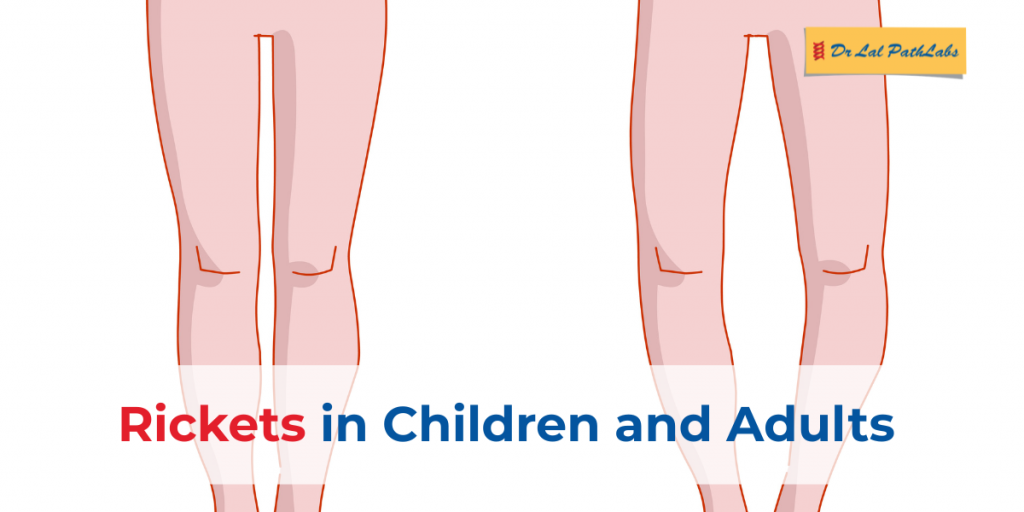
Rickets in children occur during active bone growth. As children’s bones are still developing, deficiency affects the growth plates towards the ends of long bones. This leads to serious skeletal deformities like bowed legs and stunted growth.
Rickets in adults, known as osteomalacia, develops after bone growth has stopped. As the growth plates are closed, skeletal deformities do not occur. Adults experience bone pain, tenderness, and muscle weakness. In India, osteomalacia is prevalent among women with limited sun exposure and low dietary calcium.
What are the Causes of Rickets?
The leading rickets causes in India are nutritional. The body produces vitamin D primarily through sunlight and obtains smaller amounts through diet. When both are insufficient, bone mineralisation is impaired.
Common causes include:
- Insufficient sunlight exposure, particularly in urban populations and those who keep most of their skin covered.
- Low dietary intake of vitamin D and calcium, especially in breastfed infants of deficient mothers.
- Malabsorption conditions, such as coeliac disease or inflammatory bowel disease, reduce nutrient absorption.
- Chronic kidney or liver disease that impairs vitamin D conversion into its active, usable form.
- Rare genetic disorders causing vitamin D-resistant or phosphate-wasting forms of rickets.
What are the Symptoms of Rickets?
Rickets symptoms in children and adults differ in presentation, though bone pain and muscle weakness are common to both.
Rickets in children may present with:
- Bowed legs or knock knees are the most recognisable sign.
- Thickening of the wrists, ankles, and knees
- Delayed growth and short stature
- Soft skull bones in infants (craniotabes)
- Dental delays and increased susceptibility to tooth decay
- Muscle weakness and delayed motor milestones
Rickets symptoms in adults (osteomalacia) include:
- Persistent, diffuse bone pain, commonly in the back, hips, and legs
- Muscle weakness and difficulty walking
- Bone tenderness on pressure
- Increased risk of stress fractures
How is Rickets Diagnosed?
Diagnosing rickets involves clinical assessment, blood tests, and imaging. Early diagnosis is important, as rickets in children detected promptly can be reversed with appropriate nutritional support.
Key diagnostic steps include:
- Vitamin D blood test: A vitamin D blood test measuring serum 25-hydroxyvitamin D is the primary investigation.
- Alkaline phosphatase test: Elevated alkaline phosphatase test results are a consistent biochemical marker of active rickets, reflecting increased bone turnover.
An ALP test helps confirm and monitor the condition. - Calcium and phosphate levels: Blood tests for calcium and phosphate help determine the type of rickets and identify underlying metabolic causes.
- X-rays: X-rays of the long bones and wrists reveal characteristic changes such as widened growth plates, fraying, and cupping, which are signs of rickets in children.
- PTH levels: Parathyroid hormone (PTH) is often elevated in vitamin D deficiency rickets as the body attempts to maintain blood calcium levels.
Anyone with signs of rickets or vitamin D deficiency diseases should seek medical evaluation for proper rickets treatment. Book the Vitamin D (25-Hydroxy) test with Dr. Lal PathLabs for an accurate vitamin D assessment. Download the Dr. Lal PathLabs app today for booking a test conveniently.
FAQs
1. Can adults get rickets?
Yes. Rickets in adults is called osteomalacia. It occurs when bones soften due to a vitamin D or calcium deficiency after skeletal growth has completed. Unlike rickets in children, it does not cause skeletal deformities, but leads to bone pain, tenderness, and muscle weakness.
2. What are the symptoms of rickets?
Rickets symptoms in children include bowed legs, swollen joints, delayed growth, and soft skull bones. In adults, rickets symptoms (osteomalacia) manifest as bone pain, muscle weakness, and a higher tendency to fracture. Both forms are linked to vitamin D or calcium deficiency.
3. How to prevent rickets?
Rickets can be prevented through regular, safe sunlight exposure, an adequate intake of vitamin D and calcium, and supplementation when recommended by a doctor, particularly for infants, pregnant women, and those with limited sun exposure. A vitamin D blood test can identify deficiency before symptoms develop.