Malaria is a mosquito-borne, life-threatening disease caused by a parasite. The two most common symptoms of malaria include high fever and shaking chills. Without timely malaria treatment, it can cause brain damage, organ failure, and death. Hence, it is essential to recognize early warning signs of malaria and take steps to prevent malaria infection.
This article discusses malaria, its causes, symptoms, prevention, and more.
What is Malaria?
Malaria is a life-threatening illness caused by a parasite that enters human blood through a mosquito bite.
The mosquito that causes malaria is infected by Plasmodium parasites. The parasite is transferred into the bloodstream when this infected mosquito bites a human. Malaria is more common in hot and humid regions such as Africa and Asia.
Doctors distinguish between two types of malaria:
- Uncomplicated Malaria: A person with malaria symptoms but no serious complications like organ dysfunction or severe infection has uncomplicated malaria. When left without malaria treatment, it can progress to severe malaria in people with low immunity. Uncomplicated malaria symptoms can resemble those of the flu.
- Severe Malaria: Severe malaria is when the parasites have infected at least five percent of the red blood cells. A person with severe malaria can show signs of infection spreading to vital organs. Severe malaria symptoms are a sign of a life-threatening medical emergency.
What Causes Malaria?
Malaria causes include Plasmodium parasites. This parasite’s most common transfer mechanism to humans is through a mosquito bite.
Malaria spreads when a mosquito bites a person with malaria and transfers it to another person. This mechanism of malaria transmission has the following steps:
- Uninfected Mosquito: An uninfected mosquito bites a person with malaria and becomes infected with the parasites.
- Parasite Transmission: When this infected mosquito bites another person, the parasites are transferred to the person.
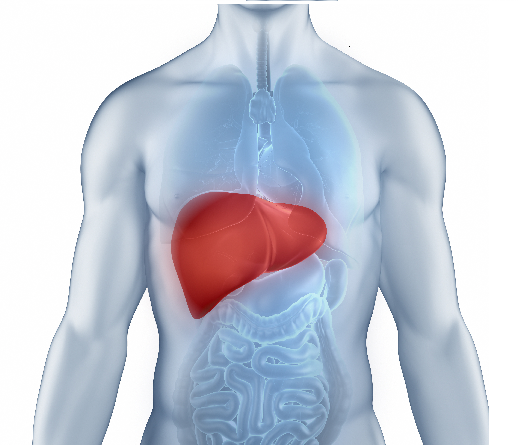
- In the Liver: Once in the body, the parasites travel to the liver and can lie dormant for up to one year.
- Into the Bloodstream: When the parasites mature, they exit the liver and enter the bloodstream, infecting the red blood cells.
The repetition of this cycle causes the spread of malaria.
Since malaria infects the red blood cells, it can also spread via some other modes, including:
- From mother to unborn child
- Via blood transfusions
- By sharing needles used for injections
What are the Malaria Symptoms?
Uncomplicated malaria symptoms include:
- Fever and chills
- Sweating
- Headaches
- Nausea and vomiting
- Higher breathing rate
- A general feeling of being unwell
In malaria, fever occurs in repetitive cycles. The malaria symptoms of this fever cycle include:
- Chills and shivering
- Fever and headache
- a Sweating stage
- a return to normal temperature with fatigue
The symptoms of severe malaria include:
- Severe anaemia
- Blood in the urine
- Changes in blood clotting
- Compromised consciousness
- High acidity in blood and body fluids
- Changes in behaviour
How is Malaria Diagnosed?
To diagnose malaria, doctors begin with one’s medical and travel history and then proceed to a physical exam to look for malaria symptoms. For further confirmation, they can recommend the following malaria tests and procedures:
- Complete Blood Test: This is usually prescribed to check for signs of anaemia.
- Rapid Diagnostic Test: This test checks for the presence of parasites, providing results in two to fifteen minutes.
- Microscopic Exam of Blood Cells: This test determines whether the red cells show signs of parasite infection.
How to Prevent Malaria?
Steps to prevent malaria:
- Cover Exposed Skin: One should cover exposed skin to avoid mosquito bites by wearing long-sleeved shorts and pants with the shirt tucked in the pants and the pants tucked in the shows.
- Apply Insect Repellent to Skin: By applying an approved skin repellent, one can avoid getting mosquito bites. However, one must consult a doctor regarding the safety of any skin repellent before applying.
- Apply Insect Repellent to Clothes: Some sprays that contain a chemical called permethrin are safe to apply to clothes and can repel mosquitoes.
- Sleep Under a Net: To prevent mosquito bites while sleeping, one can sleep under mosquito nets treated with permethrin, a chemical that repels mosquitoes.
- Take Preventive Medicine: Before traveling to an area prone to malaria, one should consult a doctor ahead of time and take any preventive medication if recommended.
Uncomplicated malaria symptoms can seem mild, like the flu. However, malaria symptoms, when left untreated, can progress into severe malaria. Upon noticing symptoms of malaria given here, individuals must consult a doctor and book a blood test for malaria at Dr Lal PathLabs.
FAQs
1. What are Vivax malaria symptoms?
Common symptoms include fever, chills, headache, nausea, vomiting, and fatigue.
2. When is Malaria Awareness Day?
Also known as World Malaria Day, celebrated on 25 April.
3. Malaria is caused by which mosquito?
Malaria is caused by a mosquito carrying Plasmodium parasites.