Obesity is becoming a serious concern in India, with 24% of adult women and 22.9% of adult men being overweight. But beyond just unhealthy weight, obesity can lead to serious health issues, including diabetes.
In this article, we’ll explore the connection between obesity and diabetes, the symptoms to look out for, and lifestyle tips to help reduce the risk.
What is Obesity?
Obesity is a condition where an individual has a higher percentage of body fat. It can result from various lifestyle and environmental factors and, in some cases, can also be inherited. Obesity increases an individual’s risk of developing other serious conditions, such as heart disease, high blood pressure, liver disease, and even diabetes.
There are two methods to check if an individual is obese:
- Body Mass Index (BMI): A BMI of 30 or higher can indicate obesity. However, it does not directly measure body fat.
- Waist Circumference: Men who have a waist circumference of over 40 inches and women with over 35 inches are characterised as obese.
What is Diabetes?
Diabetes is a condition in which there are high blood sugar levels in the body. This happens when the pancreas does not produce enough insulin or when the body is not able to respond to insulin properly.
Diabetes has many types, but the two common types include:
- Type 1 Diabetes: An autoimmune condition where the immune system destroys the insulin-producing cells in the pancreas.
- Type 2 Diabetes: A condition where the body is not able to produce or respond to insulin.
How Does Obesity Cause Diabetes?
Obesity increases the risk of developing diabetes as it affects how the body handles sugar. The pancreas produces insulin, which is a hormone that helps move glucose from the blood into cells for energy or storage. When a person is healthy, this process keeps blood sugar levels stable.
However, with obesity, especially when excess fat builds up around the abdomen, the body’s cells stop responding properly to insulin. This is called insulin resistance. As a result, glucose cannot enter cells easily, and it starts to build up in the bloodstream.
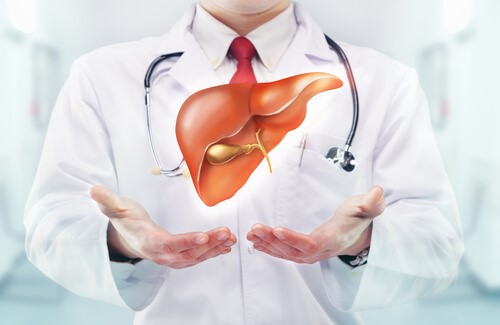
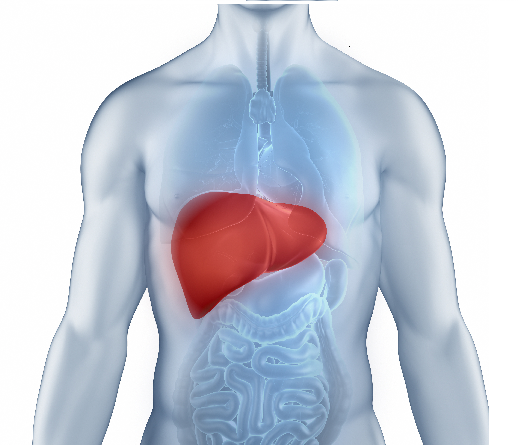
At the same time, the liver, which normally stores extra glucose, may already be filled with fat. This makes it harder to store more sugar. The pancreas tries to fix this by producing more insulin.
Over time, this creates a cycle:
- Cells resist insulin
- Blood sugar levels rise
- The pancreas then works harder to produce more insulin
This constant pressure can exhaust the pancreas. When it can no longer keep up, insulin levels drop, and blood sugar stays high, leading to Type 2 diabetes.
However, it is important to note that not everyone with obesity develops diabetes. Factors like family history, diet, activity level, and stress also play a role.
What are the Symptoms of Type 2 Diabetes?
Obesity and type 2 diabetes are strongly connected. Here are some symptoms that indicate that an obese individual may have type 2 diabetes:
- Feeling tired or thirsty
- Blurred vision
- Frequent urination
- Injury or cuts healing slowly
- Itching around the vagina or penis
How Can Obesity and Diabetes Be Managed?
Losing weight can reduce an individual’s risk of developing type 2 diabetes. It helps manage blood sugar levels and lowers the chances of developing other health conditions. Besides weight loss, an individual can also adopt the following lifestyle practices to manage obesity and diabetes:
- Regular Exercise: One must aim for at least 150 minutes of moderate exercise each week.
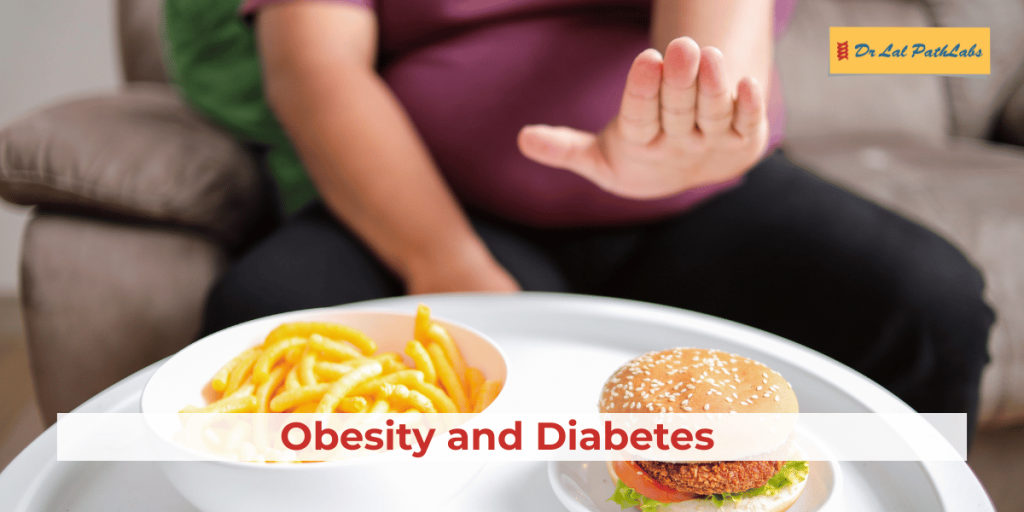
- Healthy Diet: Avoid fast food and consume more fruits, vegetables, whole grains, and lean protein.
- Check Blood Sugar Levels Regularly: This helps monitor diabetes and take the necessary steps to lower the risk.
Obesity is not just about being overweight. It can lead to the development of other major health issues. Therefore, it is important to follow healthy lifestyle habits and maintain a healthy weight to avoid the risk.
To check if one is obese, it’s best to book an obesity panel test. And if a person experiences symptoms of diabetes, they must consult a healthcare provider and book the recommended test for diabetes on the Dr Lal PathLabs mobile app.
FAQs
- How does obesity cause diabetes?
Obesity can cause diabetes by restricting the cells from responding properly to insulin. This increases the blood sugar levels, pushing the pancreas to produce more insulin. But when the pancreas cannot keep up, insulin levels reduce, and blood sugar remains high, leading to Type 2 diabetes. - Does diabetes cause weight loss?
Yes, weight loss is one of the early signs of type 1 diabetes. It happens because when the body is not able to use glucose for energy, it breaks down fat and muscle instead. - Can diabetes make you gain weight?
Yes, type 2 diabetes can result in weight gain. This is because when there are high levels of insulin in the body, the body ends up storing fat around the abdominal organs.