
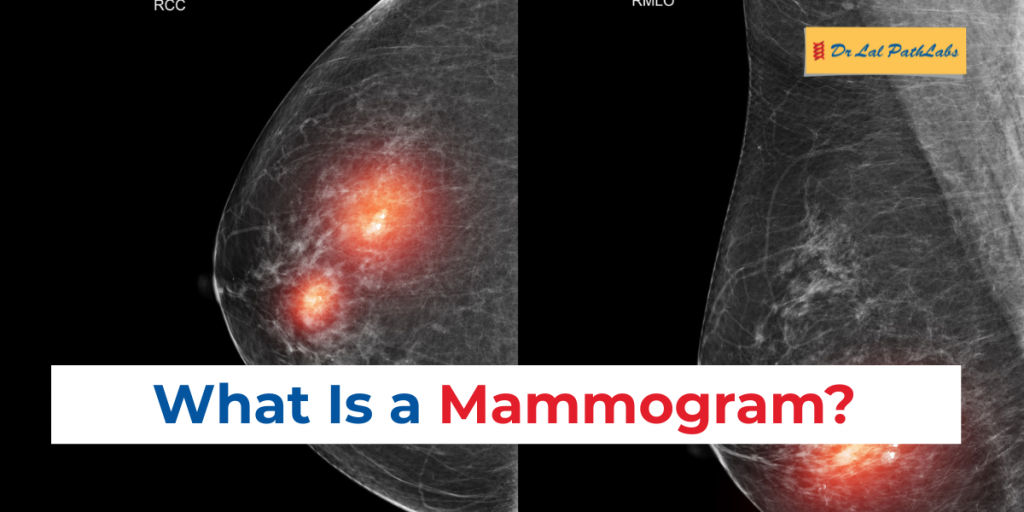
A mammogram is an X-ray image of breast tissue that helps in detecting cancer early. The examination discloses any changes before they occur, thus treatment can be initiated earlier. This article will explore mammogram meaning, how they are done, and why they are important for breast cancer screening.
What is Mammography?
Mammography is the process of using low-dose X-rays to create images of breast tissue. These mammograms aid in the early detection and diagnosis of breast diseases in women. Screening mammography is done to detect cancer in individuals who do not have any signs, whereas diagnostic mammography is used to investigate a particular problem, like a lump, pain in the breast or nipple change.
Types of Mammography
There are two types of mammography:
- 2D mammograms: These are the traditional two-dimensional X-ray images that are most often utilised for regular checkups.
- 3D mammography: Also called tomosynthesis, takes multiple thin-slice images to construct a three-dimensional view, which can help with better detection in dense breast tissues.
How is a Mammogram Done?
A mammography test is done in a radiology suite using an X-ray machine specially designed for this purpose. The mammogram procedure involves the following steps:
- The person is placed so that the breast lies on a flat plate while the technologist aligns the body.
- The breast is gently compressed with a clear plastic paddle to spread the tissue for a clearer picture. Compression could cause a short period of discomfort, but it gives better pictures and lowers the amount of radiation exposure.
- X-rays are taken of each breast, sometimes with slight changes in angle for better coverage.
- The images are sent to a radiologist who carefully interprets them and prepares a written report.
Who Should Have a Mammogram and Why is it Important?
Screening recommendations can differ based on age and risk that can be taken by the patient. Most medical groups suggest that regular screening should start at approximately 40 years of age, with screening every one to two years for those at average risk. Those having a close family history, gene mutation, or other risk factors may begin screenings at an earlier age or get checked more often.
A breast cancer mammogram is also used when symptoms such as a lump, skin change, or unusual discharge need diagnostic evaluation. It helps detect cancer early, reduces the risk of it spreading to nearby tissues, and ensures successful treatment.
How to prepare for Mammography?
Preparing for breast mammography is very easy and can help the visit go more smoothly:
- Let the imaging centre know if there are breast implants so the technician can make adjustments to get the appropriate views.
- Inform about any recent vaccination on the arm of the same side, as it could cause a temporary swelling which might show in images.
- Do not use powder, lotion, or deodorant on the chest on the day of the test, as these can leave marks on images.
- Wear a separate top and bottom to the appointment so only the upper garment needs to be taken off.
- Bring previous mammogram films if they are available, so the radiologist can compare past and present studies to detect subtle changes.
What do the Results Signify?
A normal report shows no sign of cancer on the images. Reports usually mention breast density; dense breasts have more glandular tissue than fat, and it is difficult to spot small cancers in such breasts. This can sometimes lead to a false-negative.
If an area is suspected of abnormalities, the doctor may suggest further imaging, such as focused mammogram views or an ultrasound, to get a better look. Sometimes, when imaging is not able to differentiate the nature of an abnormality, the doctor conducts a biopsy to obtain a tissue sample for laboratory analysis.
If symptoms such as lumps, breast pain, or nipple discharge are present, visit a doctor and a specialist in mammography radiology immediately and book a mammogram through the Dr Lal PathLabs app.
Frequently Asked Questions
- Are mammograms safe?
Mammograms are safe as they only use a low dose of radiation, and the benefits of early detection outweigh the small risks. Pregnant women should be cautious and report it before having a mammography done. - Are mammograms painful?
Brief discomfort or pressure can be experienced during breast compression, but it is not extremely painful. - How often should a mammogram be done?
For a normal person with average risk, routine screening is most commonly suggested every 1- 2 years from the age of 40. - Can a mammogram detect every breast cancer?
Some cancers can be missed in mammography, especially in dense breast tissue. Thus, additional tests or closer follow-ups can be recommended.