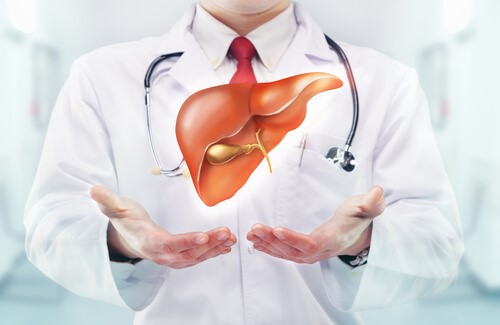
 A liver transplantation surgery is a vital treatment option for individuals suffering from severe liver diseases where the liver’s functional capacity is significantly compromised. It is a surgical operation involving the replacement of a damaged liver with a healthy one from another donor.
For a successful liver transplant, it is crucial to understand both the conditions that necessitate the procedure, and the recovery processes required for effectively managing chronic liver diseases. This article provides an overview on what is liver transplant, its risks, the recovery process, and long-term care following the procedure.
Who Needs a Liver Transplant?
Liver transplantation is recommended after other medical treatments have failed to restore liver functions. It is generally considered in cases of:
- Cirrhosis caused by chronic hepatitis, a high level of alcohol consumption, or fatty liver diseases.
- Acute liver failure that occurs due to infectious agents, toxins, over-consumption of over the counter (OTC) drugs, or other metabolic disorders.
- Liver cancer that has not spread to other body parts yet and can be transplanted under certain evaluable parameters.
- Genetic liver disorders such as Wilson’s disease or haemochromatosis.
- Biliary atresia, a rare condition in newborns that is characterised by the absence or blockage of bile ducts.
Why Is Liver Transplantation Performed?
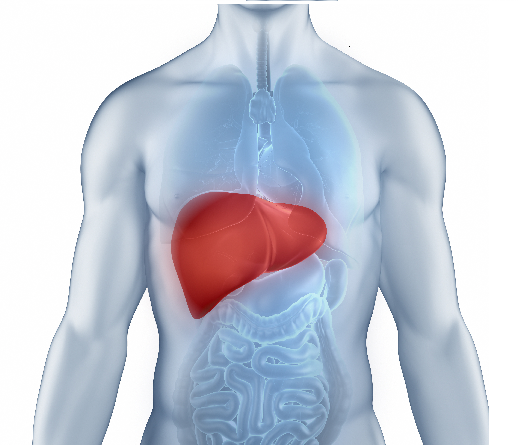
The liver performs essential functions that help to sustain life, such as:
- Detoxification of the blood.
- Production of essential proteins and enzymes.
- Secretion of bile juice to support digestion.
- Regulation of metabolic processes and blood coagulation.
When the liver fails to take up these responsibilities, transplantation often remains the only effective measure.
How is the Liver Transplant Procedure Done?
The liver transplant procedure typically takes up to twelve hours and comprises a team of doctors working collaboratively.
- Pre-surgery: The patient undergoes imaging, blood typing, and comprehensive liver tests. The donor is identified based on blood type matching and size compatibility.
- Surgery: The non-functional liver is removed and replaced with the healthy donor liver. Blood vessels and bile ducts are then reconnected to the new organ.
- Post-surgery: The patient is relocated to the ICU and is constantly monitored for potential complications.
Types of liver transplants include:
- Deceased donor transplant: From a donor who has died recently.
- Living donor transplant: Using part of a healthy person’s liver.
- Split liver transplant: One liver from a deceased donor is divided to serve two recipients.
These options are explained to families to help them make informed decisions during critical times.
What Are the Possible Risks and Complications?
Like all major surgery procedures, liver transplantations also involve certain risks, such as:
- Rejection of the organ if the body identifies the new liver as foreign.
- Infections in the host body due to immunosuppressant drugs that increase susceptibility to microbes.
- Surgical complications such as bleeding, bile leaks, or blood clots.
- Recurrence of liver disease if the patient suffers from autoimmune disorders.
Doctors regularly prescribe several liver function tests, including ALT, AST, and GGT, to monitor and detect early signs of rejection or infection post-transplantation.
What to Expect Before and After Liver Transplant?
Successful long-term recovery requires strict adherence to a treatment plan and regular medical check-ups, especially during the critical pre- and post-transplant periods. Here’s what patients are expected to do before and after a liver transplant:
Before Liver Transplant:
- Follow a personalized medical regimen, including dietary and fluid restrictions, as advised by the doctor.
- Completely cease alcohol and tobacco use, as continued consumption may disqualify candidates.
- Complete all necessary pre-operative tests, such as blood tests, imaging, and heart-lung assessments.
- Be prepared for immediate contact after being listed, as organ availability can arise quickly.
- Keep vaccinations up to date and follow infection prevention guidelines.
After Liver Transplant:
- Take immunosuppressant drugs exactly as prescribed to prevent organ rejection.
- Have frequent liver function tests (LFTs) to monitor transplant health.
- Follow a heart-healthy, low-sodium diet to minimise complication risks.
- Gradually resume physical activity under medical supervision.
- Consider psychological counselling if needed to adapt to lifestyle changes.
In can be lifesaving for individuals with end-stage liver disease or severe liver dysfunction. While it involves a complex procedure and lifelong care, advancements in medicine have made it a viable and increasingly successful option.
Dr Lal PathLabs offer comprehensive liver test packages necessary for both pre-and post-transplant care. To schedule a liver test or other transplant-related tests, download the Dr Lal PathLabs app now.
FAQs
1. What are the risks of liver transplant?
Risks of liver transplant include organ rejection, infections, bleeding, bile leaks, blood clots, medication side effects, and recurrence of liver disease.
2. Is liver transplant possible in cases of liver cancer?
Yes, a transplant may be considered if the cancer is restricted to the liver and has not spread to other body parts.