Climate change is making almost every part of the world hotter and is disrupting rainfall patterns. This has not only made winters warm and summers hotter but has also dramatically increased the population of certain disease-carrying vectors.
This, in turn, has increased the incidence of certain diseases, such as chikungunya. In this article, we’ll understand the chikungunya transmission cycle and how climate change is making chikungunya prevention more challenging.
What is Chikungunya?
Chikungunya is a viral disease that moves from person to person through mosquito bites. It is caused by the Chikungunya virus, an RNA virus of the Togaviridae family. It mutates rapidly, making the development of an effective antiviral extremely challenging. Chikungunya causes a sudden onset of fever, nausea, skin rashes, joint and muscle pain.
How is Climate Change Linked to Chikungunya?
Climate change has led to a global rise in temperatures and disruptions in rainfall patterns in several parts of the world. This has created two major consequences.
- Areas that were historically too cold or too dry for mosquitoes to breed have now become hotter and more humid. Therefore, mosquito populations can now comfortably spread to these parts of the world.
- Parts of the world that were already hot and humid have gotten hotter, with their winters getting warmer. This means that mosquitoes can now breed during more months of the year.
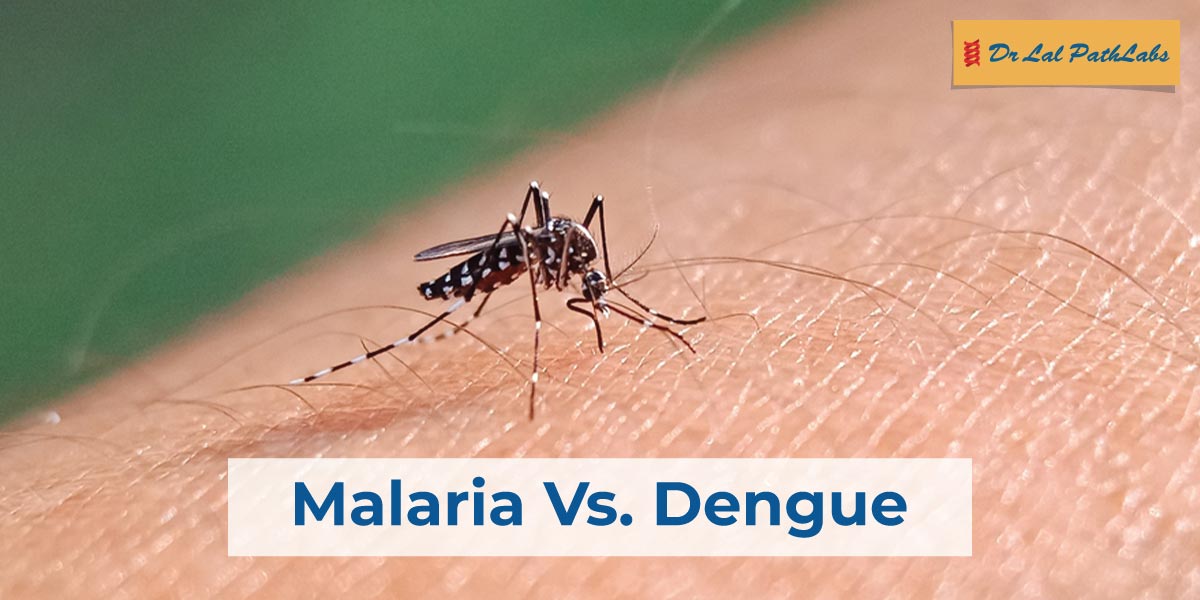
These factors have led to a dramatic growth in the population of Aedes aegypti and Aedes albopictus, the two primary vectors for chikungunya. This, in turn, has led to a higher incidence of chikungunya symptoms worldwide.
In India, climate change has altered the duration and intensity of the monsoon season. Irregular rainfall means that the mosquitoes have an extended breeding window. Higher volumes of rain additionally trigger flooding in several areas. This is leading to an increased stagnation of water, which has created the ideal breeding grounds for mosquitoes.
What Causes Chikungunya?
Chikungunya is mainly caused by the bite of the Aedes albopictus and Aedes aegypti mosquitoes when they become infected with the virus. The chikungunya transmission cycle is as follows: when a mosquito bites an infected person, the chikungunya virus is transmitted from the infected person to the mosquito. It then rapidly replicates inside the mosquito. The virus is transmitted further when this infected mosquito subsequently bites a healthy person.
What are the Symptoms of Chikungunya?
Symptoms of chikungunya generally appear within three to seven days after a person gets infected. Common chikungunya symptoms include:
- Fever
- Severe joint pain
- Headache
- Muscle pain
- Nausea
- Fatigue
- Swollen joints
- Red eyes
- Rashes
Some chikungunya symptoms, like joint pain and reduced mobility, may remain for months or even years after the infection.
How is Chikungunya Diagnosed?
When chikungunya symptoms start to appear in the body, it’s important to inform a healthcare provider. Diagnosis is typically confirmed through a chikungunya test. It is a blood test used to identify the presence of the chikungunya virus or related antibodies in the bloodstream. Early identification helps in managing symptoms and preventing complications.
How to Prevent Chikungunya?
The best defence against chikungunya is preventing mosquito bites, especially in the monsoon seasons. Key chikungunya prevention measures include:
- Removing stagnant water from containers like flowerpots, buckets, and drains to eliminate mosquito breeding grounds.
- Applying mosquito repellents to exposed parts of the skin.
- Installing window and door screens to block mosquito entry.
- Wearing long-sleeved clothing and pants, particularly during peak mosquito activity hours.
- Using mosquito nets, especially in areas that have high transmission risk.
Today, almost every part of the world faces some consequences of climate change. For vector-borne diseases like chikungunya, it has increased its effective area of proliferation, making the disease common in areas and populations that did not previously face a threat from it.
In addition, chikungunya symptoms present themselves rather generically – sudden onset of fever, joint and muscle pain, and skin rashes – which can be easily misdiagnosed.
Upon experiencing these symptoms, one must consult their healthcare provider and book a chikungunya test with Dr Lal PathLabs for early detection and accurate diagnosis.
Download the Dr Lal PathLabs App today for easy test bookings.
FAQs
- How does climate change affect chikungunya?
Ans. Due to climate change, mosquitos can now breed comfortably in a larger geographical area for a longer portion of the year. Since mosquitoes play a key role in the chikungunya transmission cycle, a rise in the mosquito population creates a corresponding rise in chikungunya cases. - What is a chikungunya test?
Ans. The Chikungunya test detects specific antibodies in a blood sample from the patient. Since chikungunya symptoms are common to other diseases, it is advisable to get a conclusive blood test as soon as possible to prevent a misdiagnosis. - How does chikungunya spread?
Chikungunya is spread through the bite of an infected mosquito. It doesn’t spread by coming in contact with the infected person or their bodily fluids. However, blood transmission can spread the virus in rare cases.