According to NCRB reports, cardiovascular and heart diseases cause nearly 25% of all deaths in the 30-44 age group. A lot of times, heart issues come with several warning signs that people overlook. Edema or swelling is one of those signs. ECG tests are used to assess if the edema is linked to a cardiac problem.
This article explains what an edema is, its causes and types, and how it relates to heart problems.
What is Edema?
Edema is swelling caused in different parts of the body by an excessive accumulation of fluid in the body’s tissues. It usually affects the lower extremities like legs, ankles and feet due to gravity.
What are the Types of Edema?
Edema is categorised by its location and its physical appearance. Here are the major types of edema:
- Peripheral edema: This is the most common type of edema, and it affects the legs, ankles, feet and sometimes the hands and arms. This is often an early sign of heart failure.
- Pulmonary edema: This type of edema affects the alveoli of the lungs. It is potentially life-threatening as it is often caused by left-sided heart failure.
- Cerebral edema: Cerebral edema is swelling that affects the brain tissue and leads to increased intracranial pressure. This is also a life-threatening emergency.
- Macular edema: It is caused by fluid buildup in the retina of the eye, and it is usually seen in those with diabetic retinopathy.
- Generalised edema: This is widespread swelling throughout the whole body due to fluid retention across multiple tissues and body cavities. It indicates advanced issues with the heart, kidneys or liver.
What Causes Edema?
Some of the most common triggers of edema include:
- Heart problems that weaken blood circulation.
- Kidney diseases that affect fluid removal from the body.
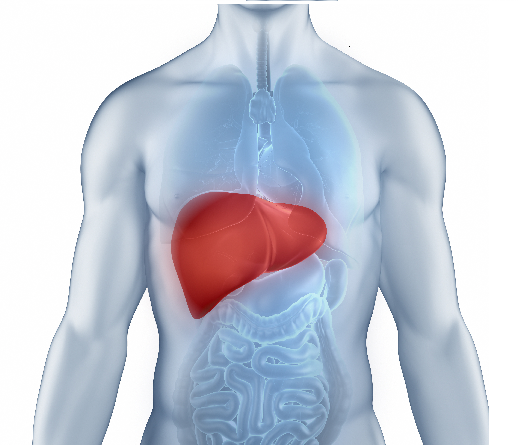
- Liver diseases that reduce protein levels in the blood.
- High salt intake.
- Certain medications, like steroids.
- Injury or infection in a specific area.
How is Edema Related to Heart Conditions?
The heart pumps blood throughout the body. If the heart becomes weak or inefficient, blood can start to pool in the veins. This causes fluid to leak into surrounding tissues. This usually leads to swelling or edema, mainly in the legs and feet, due to gravity.
Some cardiac conditions associated with edema include:
- Congestive heart failure
- Cardiomyopathy
- Chronic hypertension
- Heart valve disorders
Why Get an ECG Test Upon Noticing Edema?
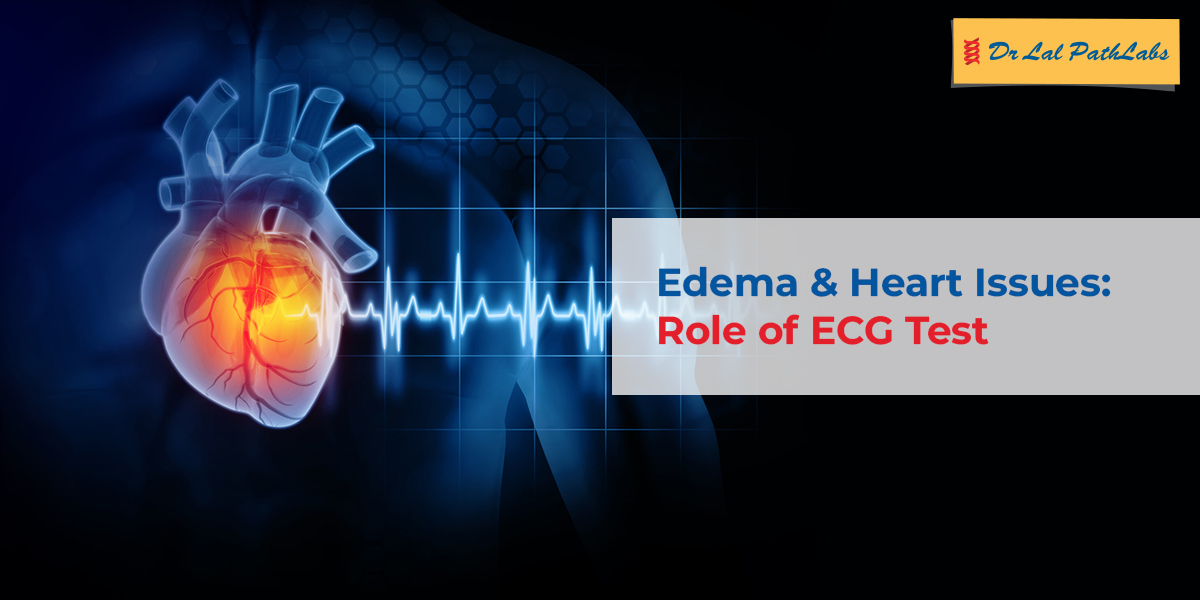
An ECG test is a quick, non-invasive diagnostic tool that records the heart’s electrical activity. If the edema is heart-related, the ECG determines this by looking for:
- Irregular heart rhythms
- Reduced heart function
- Previous heart muscle damage
- Signs of hypertrophy or strain
When to Get Medical Attention for Edema?
Not all cases of edema require immediate medical attention. However, seek medical help if edema appears suddenly or worsens quickly. If edema is accompanied by other symptoms like chest pain, shortness of breath, fatigue, or rapid weight gain, these usually indicate heart-related complications, including congestive heart failure or pulmonary edema.
If swelling persists for weeks despite management techniques like rest, elevating the area, and lifestyle changes, the fluid buildup can cause tissue damage over time.
Can Edema be managed at home?
Edema management depends on the underlying cause, but some daily habits can help control mild swelling and avoid discomfort. Reducing salt intake prevents water retention in the body, especially for those with high blood pressure or heart disease. Staying active, avoiding extended periods of sitting or standing, and elevating the legs above heart level for a few minutes a day can also improve circulation.
Getting ECG tested early helps confirm if swollen or edema legs are caused by cardiac issues or some other health condition. In some cases, blood tests like CBC tests
are also recommended to assess infections and overall health. To find the right test and seek edema treatment, consult a health care provider and book a test with Dr Lal PathLabs by downloading the app
.
Frequently Asked Questions
What is peripheral edema?
Peripheral edema is a type of swelling that affects the tissues of the limbs, like the legs, ankles and feet. It usually leaves an indentation when the area is pressed and is also called pitting edema.
Can edema kill you?
Edema can be life-threatening when it signals a serious, unmanaged underlying condition like a heart issue or if fluid accumulates in a critical area like the brain or the lungs.
How does an electrocardiogram test work?
An electrocardiogram test is a specialised ultrasound test that uses high-frequency sound waves to recreate images of the heart. A probe is placed on the heart, and sound waves bounce off the heart’s structures. These are converted into real-time images.
What are the signs of edema?
Some common signs of edema include swollen feet, ankles or legs that feel heavy, puffy or tight. The skin may look stretched and leave an indentation when pressed.