Heatstroke is a serious emergency medical condition that occurs when the body temperature goes over 40°C, often due to extended exposure to high heat or intense physical activity in hot environments. It can cause damage to the organs like the brain, heart, kidneys, and muscles if not treated on time.
Considering the rising temperatures and the frequent heatwaves in India, it’s essential to understand prevention strategies and recognise early heat stroke symptoms to protect health during extreme summer conditions.
What is Heatstroke?
Heat stroke is a very serious type of heat-related illness, occurring when body temperature rises above 40°C and affects the nervous system. This dangerous condition happens when the body can no longer manage its temperature effectively and cannot get rid of excess heat, leading to heat stroke symptoms.
There are two types of heatstroke:
- Classic Heatstroke: Affects the elderly, infants, and chronically ill during hot weather periods without requiring physical activity.
- Exertional Heatstroke: Occurs in healthy individuals during strenuous physical activity in hot conditions, commonly affecting athletes, labourers, and military personnel.
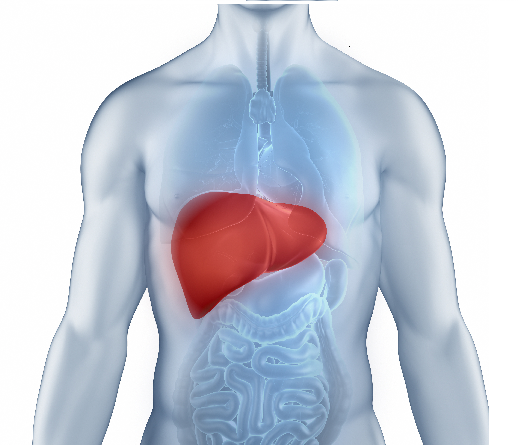
Both types are medical emergencies that require immediate attention from doctors to prevent serious damage to vital organs, especially the brain, liver, kidneys, and heart.
What are the Causes of Heatstroke?
Heatstroke develops through two main ways. Non-exertional heatstroke affects individuals with limited mobility, the elderly, and those with chronic illnesses during extreme heat exposure. Exertional heatstroke occurs during strenuous physical activity in hot environments.
Environmental factors contributing to heat stroke include:
- Extremely high environmental temperatures
- High humidity preventing sweat evaporation
- Poor ventilation
- Limited access to cooling facilities
Physiological factors include:
- Dehydration
- Weakened heart function
- Reduced ability to regulate body temperature
What are the Symptoms of Heatstroke?
Recognising heat stroke symptoms quickly allows for timely intervention. Primary signs and symptoms include:
- Body temperature exceeding 40°C
- Changes in mental state, from confusion to unconsciousness
- Hot, dry skin (classic heat stroke) or excessive sweating (exertional heat stroke)
- Experiencing rapid breathing and increased heart rate
- Severe headache
- Nausea and vomiting
- Muscle weakness or cramps
- Flushed skin
What are the Heatstroke Risk Factors?
- Age: Infants, young children, and adults over 65 years have a harder time regulating their body temperature
- Pre-Existing Medical Conditions: Cardiovascular disease, diabetes, and obesity increase risk
- Certain Medications: Diuretics, beta-blockers, and anticholinergics can make it harder for the body to cool down
- Occupational Exposure: Outdoor workers face heightened risk during peak summer
- Urban Residence: Concrete buildings create “heat islands,” making temperatures higher than in surrounding areas
How is Heat Stroke Diagnosed?
- Clinical assessment showing a core temperature above 40°C
- History of heat exposure or physical exertion in hot environments
- Presence of neurological abnormalities and other heat stroke symptoms
- Laboratory tests for evaluating organ function and electrolyte imbalances
- Excluding other conditions that can cause similar symptoms
How to Avoid Heat Stroke?
- Maintain proper hydration by consuming fluids regularly
- Wear lightweight, light-coloured, loose-fitting clothing
- Limit outdoor activities during peak heat hours (11 AM to 4 PM)
- Gradually get used to hot weather over 10-14 days
- Use cooling measures such as fans, air conditioning, or traditional methods
- Consume small, frequent meals rich in fruits and vegetables with high water content
- Recognise early warning signs and heat stroke symptoms
For outdoor workers, scheduled breaks in shaded areas and regular hydration are essential. Individuals with serious health problems should consult healthcare providers regarding medication adjustments during extreme heat.
Upon noticing heat stroke symptoms, consult a doctor and get tested at Dr Lal PathLabs for evaluation of electrolyte imbalances and organ function.
FAQs
1. How to avoid heat stroke in hot weather?
Maintain proper hydration, wear appropriate clothing, limit strenuous activities during peak heat hours, and use cooling measures like fans or air conditioning.
2. What is the fastest way to cure heat stroke?
Immediate management involves rapid cooling using ice packs on the neck and armpits, immersion in cool water, evaporative cooling with misted water and fans, and prompt medical attention.