Overview of Fatty Liver Disease
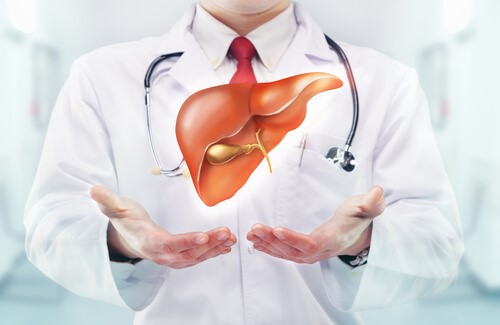
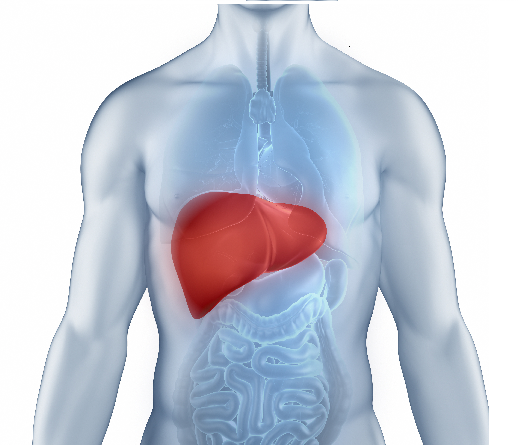
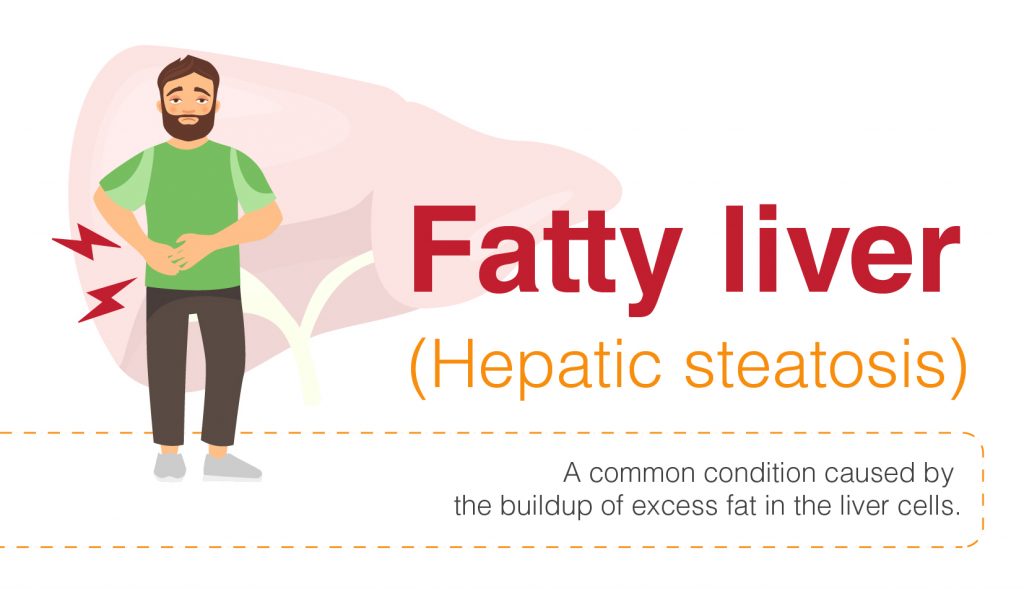
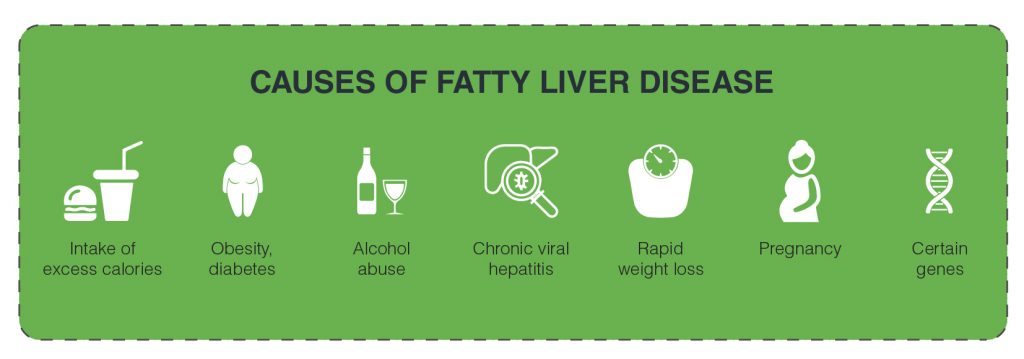
Fatty liver, also known as hepatic steatosis, is a common condition caused by the buildup of excess fat in the liver cells. This condition can cause liver inflammation, which can damage the liver and create scarring. In severe cases, this scarring can even lead to liver failure. In this article, we will cover the fatty liver symptoms, fatty liver diagnosis, and the stages and causes of fatty liver disease.
Types of Fatty Liver Disease: Understanding the Causes and Risk Factors
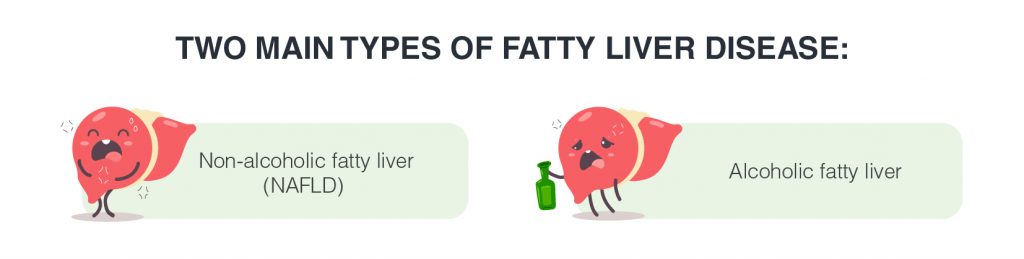
There are two main types of fatty liver disease:
- Non-alcoholic fatty liver disease (NAFLD): Fat buildup in the liver not related to alcohol consumption.
- Alcoholic fatty liver disease: Fat buildup caused by excessive alcohol intake.
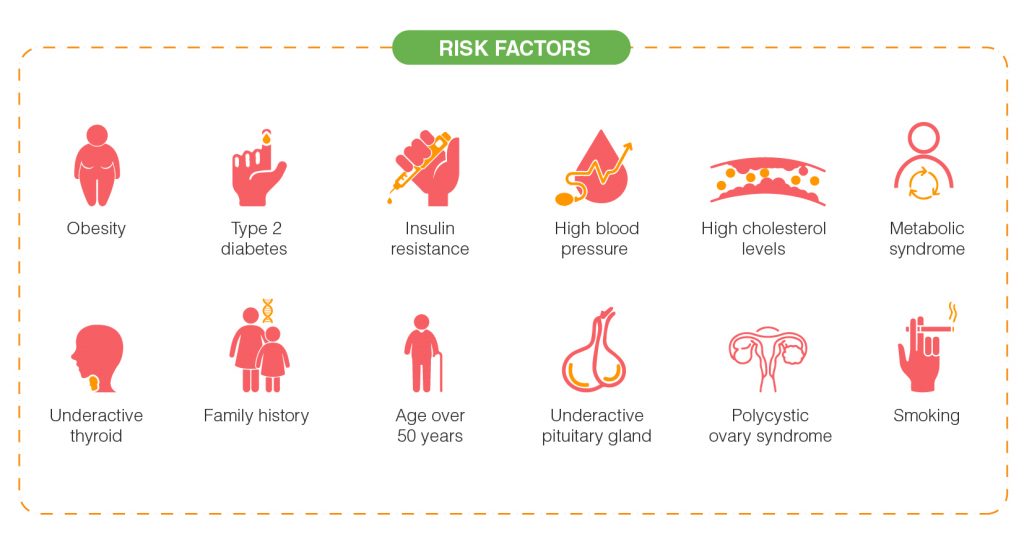
We’ll explore the fatty liver signs, risk factors, and how these conditions are linked to factors such as high cholesterol and obesity, and how you can detect them early.
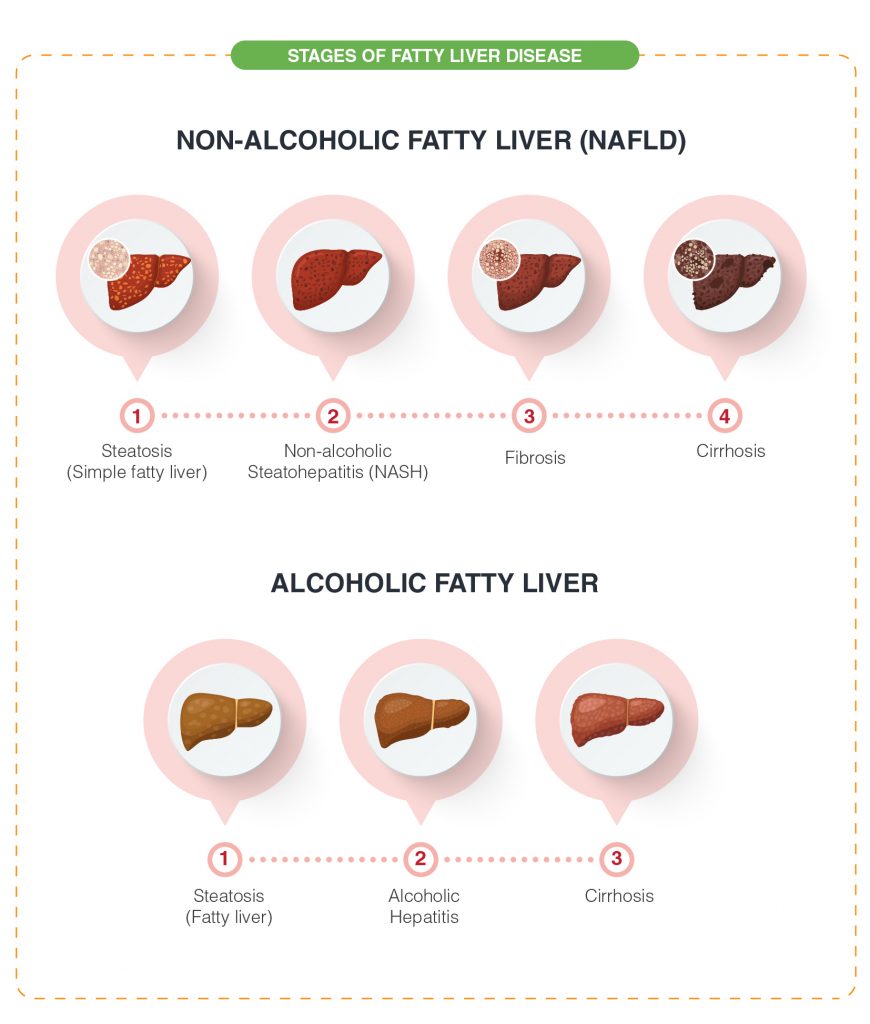
What Are the Stages of Fatty Liver Disease?
Stage 1: Steatosis (Simple Fatty Liver)
Steatosis, or simple fatty liver, is a stage where there is a largely harmless build-up of fat in the liver cells, but not to an extent to cause fatty liver symptoms to appear. Although this stage doesn’t usually show signs, it’s essential to monitor it through fatty liver diagnosis to prevent progression to more serious conditions.
Stage 2: Non-alcoholic Steatohepatitis (NASH)
Non-alcoholic Steatohepatitis (NASH) is a more serious form of NAFLD where the liver becomes damaged and inflamed. Fatty liver symptoms like fatigue and abdominal pain may begin to show. NASH is more likely to occur in people who are overweight, obese, or who have diabetes. If untreated, it can lead to more severe liver complications, including fibrosis.
Stage 3: Fibrosis
Fibrosis occurs when persistent inflammation leads to the development of scar tissue around the liver and blood vessels. Although the liver can still function normally at this stage, it’s important to diagnose and monitor it through imaging and blood tests. Fatty liver diagnosis can help detect fibrosis before it progresses to cirrhosis.
Stage 4: Cirrhosis
Cirrhosis is the most severe stage of fatty liver disease. Normal liver tissue is replaced by scar tissue, impairing liver function. At this stage, fatty liver symptoms become more pronounced, and liver failure or liver cancer may occur. Fatty liver diagnosis through advanced imaging or biopsy is crucial in diagnosing cirrhosis.
Alcoholic Fatty Liver Disease Stages
Stage 1: Steatosis (Fatty Liver)
In this stage, fatty liver is characterized by an excessive accumulation of fat inside the liver cells. Fatty liver signs may not appear immediately, but heavy drinkers usually progress to this stage early in their alcohol abuse. Fatty liver diagnosis is key to catching it early and preventing further damage.
Stage 2: Alcoholic Hepatitis
Alcoholic hepatitis is characterized by inflammation of the liver, leading to liver cell degeneration. Common fatty liver symptoms at this stage include jaundice (yellowing of the skin and eyes). Early diagnosis through fatty liver signs and liver function tests can help prevent the condition from worsening into cirrhosis.
Stage 3: Liver Cirrhosis
Liver cirrhosis is the final stage of alcoholic fatty liver disease, where there is permanent scarring of healthy liver tissue. This irreversible condition can cause severe fatty liver symptoms, including jaundice, fatigue, and swelling in the abdomen. Fatty liver diagnosis and medical intervention are critical in managing the complications of cirrhosis.
What Are the Symptoms of Fatty Liver Disease?
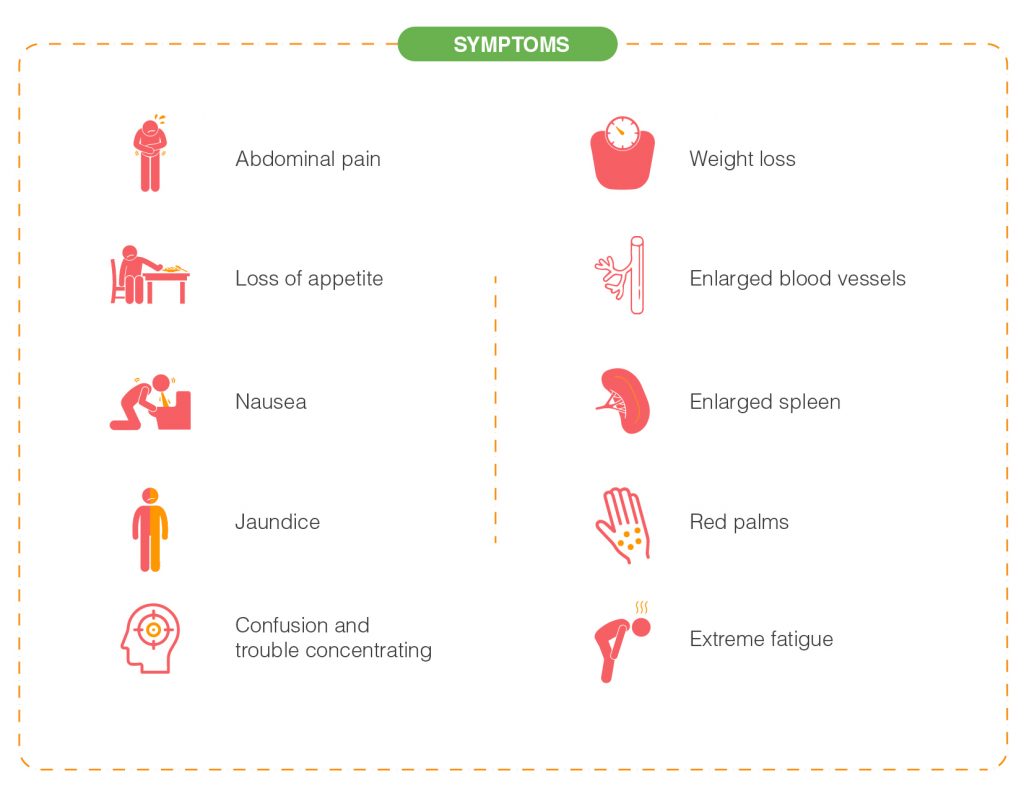
Fatty liver disease can progress without noticeable symptoms, but there are several fatty liver symptoms to watch out for:
- Abdominal pain
- Fatigue
- Jaundice (yellowing of the skin and eyes)
- Loss of appetite
- Swelling in the abdomen and legs
Understanding these fatty liver signs can prompt earlier intervention and treatment.
How Is Fatty Liver Disease Diagnosed?
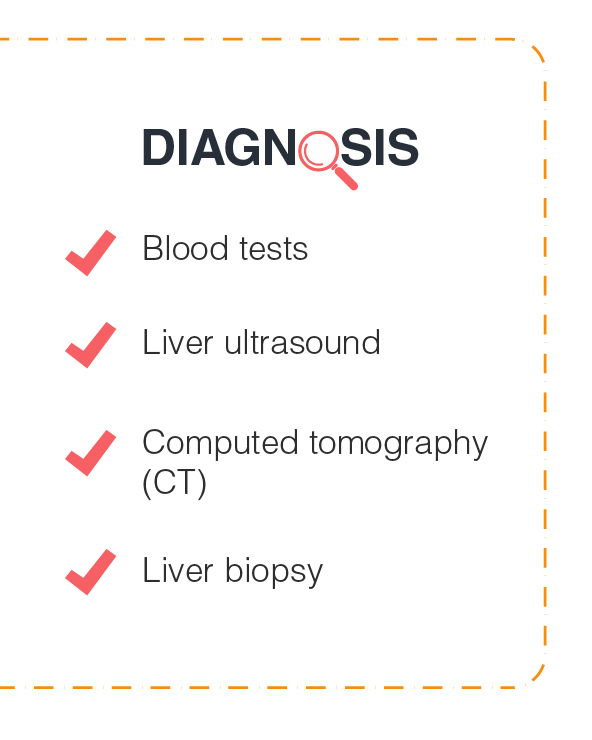
Diagnosing fatty liver disease involves a variety of tests. Key diagnostic methods include:
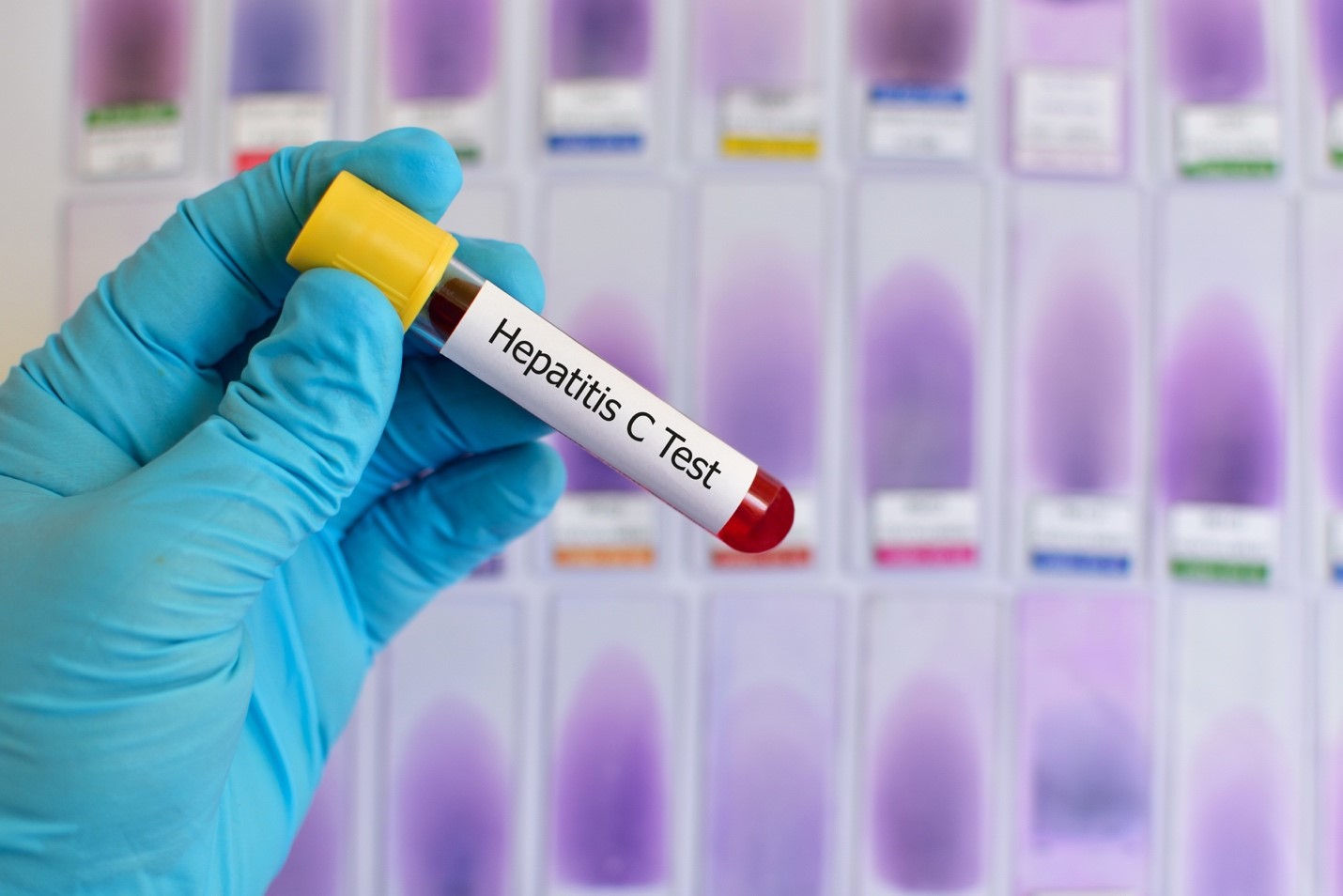
- Blood tests to assess liver function and inflammation
- Liver ultrasound to detect fatty liver signs
- Fatty liver diagnosis may also involve CT scans or a liver biopsy for confirmation. These tests help determine the severity of liver damage, including if you have steatosis, NASH, or cirrhosis.
Prevention and Management of Fatty Liver Disease
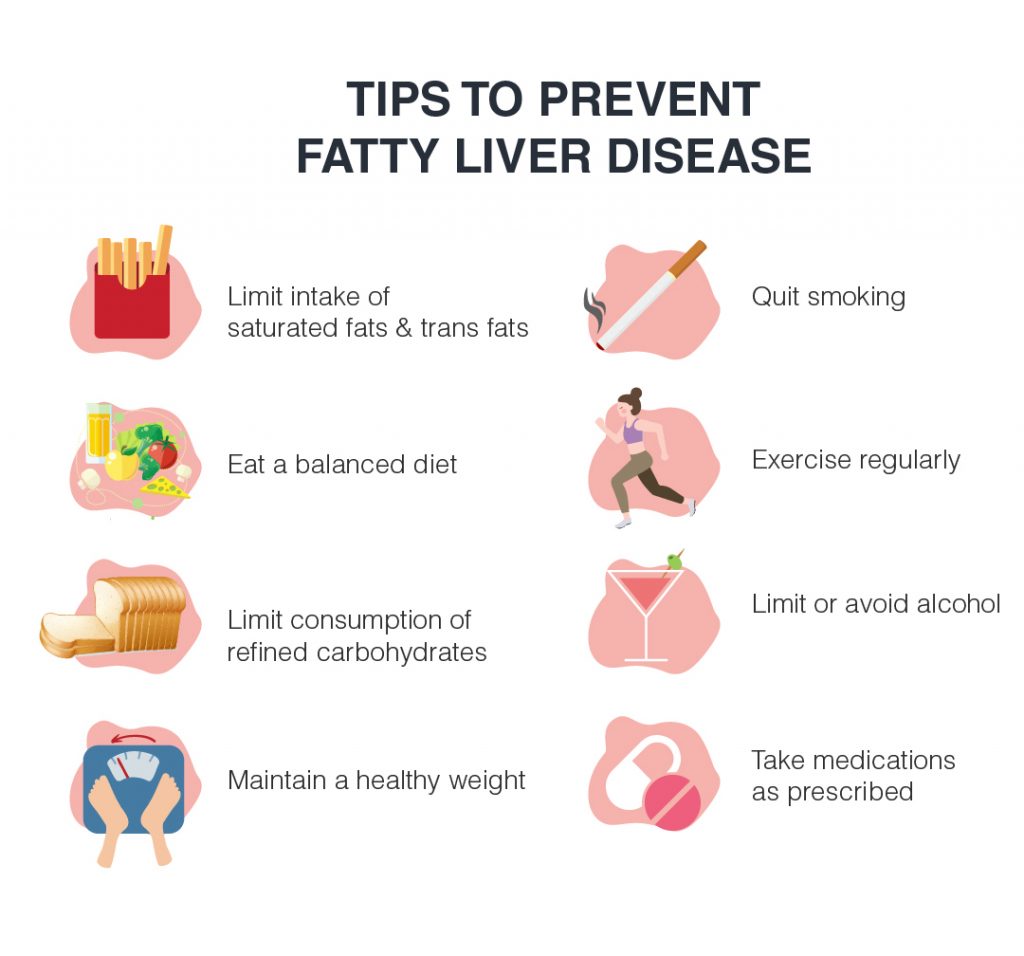
To prevent fatty liver disease, focus on maintaining a healthy weight, eating a balanced diet, and exercising regularly. It is also essential to limit alcohol consumption and avoid smoking. These measures help reduce your risk of developing fatty liver and its potential complications, such as liver failure and liver cancer.