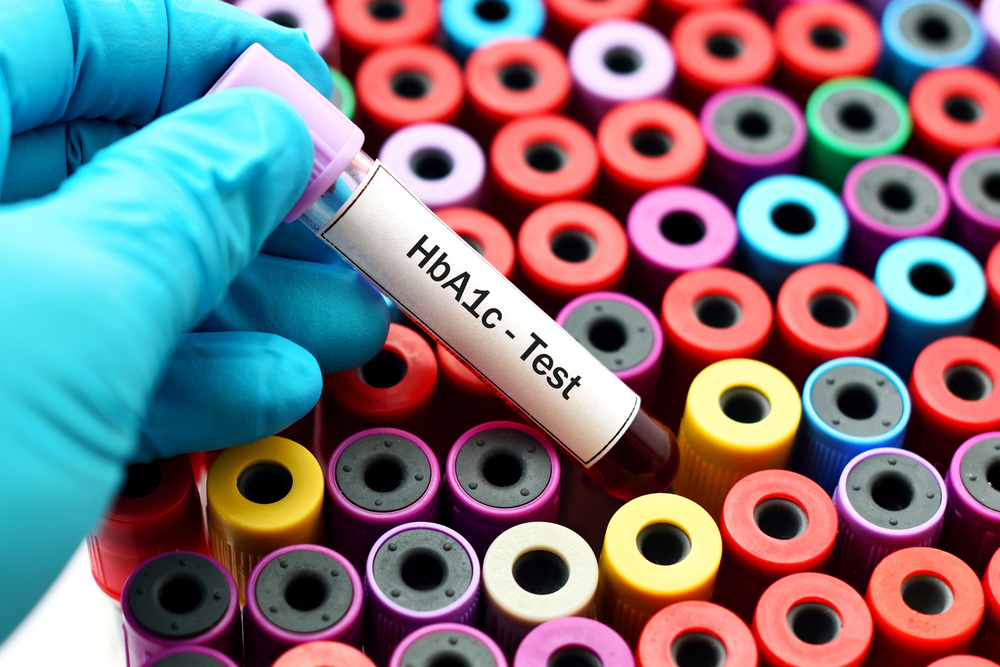
 Elevated fasting glucose levels refer to high levels of glucose or sugar in the blood, even when a person has not consumed any food or drink for several hours. A fasting glucose test measures these levels and is usually conducted after fasting for at least eight hours. It is widely used to diagnose diabetes and assess blood sugar regulation.
Elevated blood glucose levels can indicate prediabetes, type 1, or type 2 diabetes. However, a high fasting blood sugar range is not only a marker of blood sugar disorders, it is also associated with an increased risk of heart disease.
What is Elevated Fasting Glucose?
Glucose is a simple carbohydrate crucial for producing energy in the body. The body gets this glucose from foods rich in carbohydrates. Most people experience low levels of glucose or sugar when they haven’t eaten or drunk anything for several hours.
However, for some people, glucose levels may remain elevated even after hours of fasting. This condition is referred to as elevated fasting glucose or fasting hyperglycaemia.
What is a Fasting Glucose Test?
Glucose testing is done to diagnose or manage type 1 or type 2 diabetes, prediabetes, or gestational diabetes, which is the diabetes during pregnancy. The test is generally conducted in two ways, fasting and post-prandial.
A Fasting glucose requires the person to fast for around eight to twelve hours before the test, on the other hand, the post-prandial test is done two hours after eating.
A fasting glucose test measures the amount of glucose in the bloodstream when it should be at its lowest, as the person has not consumed anything except water. In case of glucose fasting, the test results can mean the following:
- Fasting glucose level from 70 to 99 mg/dl is considered normal
- Fasting glucose level from 100 to 125 mg/dl is an indicator of prediabetes
- Fasting glucose level of 126 mg/dl or above in more than one test indicates diabetes
- Fasting blood sugar level for Type 2 diabetes or type 1 diabetes patients is 80 to 130 mg/dl.
Why Elevated Fasting Glucose is a Red Flag for Heart Diseases?
There are several reasons why high levels of glucose are associated with the risk of heart disease. Elevated blood sugar levels, over time, damage the nerves and blood vessels of the heart. It can also cause high blood pressure. This can lead to many heart diseases, including coronary artery disease (CAD), heart attack, and heart failure.
In CAD, a sticky material called plaque accumulates in the arteries that supply blood to the heart muscles, and heart failure occurs when the heart fails to pump enough blood for the body.
High blood sugar can also result in metabolic syndrome, which also increases the risk of heart disease and stroke. Metabolic syndrome is caused by insulin resistance, which occurs when glucose cannot enter the cells because they do not respond to insulin. This increases the amount of glucose in the body, which raises the blood sugar levels.
What are the Symptoms of Fasting Hyperglycaemia?
Some of the symptoms of elevated fasting glucose include:
- Fatigue
- Frequent need to urinate
- Extreme hunger and thirst
- Blurry vision
- Headaches
- Unintentional weight loss
How to Manage Elevated Fasting Glucose Levels?
There are several ways in which high fasting glucose levels can be lowered, such as taking prescribed medications by doctors and making some lifestyle changes. These changes include:
- Exercising regularly
- Maintaining a healthy weight
- Eating a balanced and nutrient-dense diet
- Getting adequate sleep
- Avoiding stress
- Monitoring blood sugar levels regularly to assess any changes
Elevated fasting glucose can adversely affect vital functions of the body. Over a period of time, it can damage nerves and blood vessels of the heart, increasing the risk of serious heart conditions such as a heart attack, coronary artery disease, and heart failure. Early detection of high fasting glucose symptoms can help prevent these life-threatening diseases.
If someone notices symptoms of high blood sugar levels, they must contact their healthcare provider and book a glucose fasting test with Dr Lal PathLabs to ensure effective management.
FAQs
1. How does blood sugar affect heart rate?
High blood sugar levels can damage the blood vessels and nerves in the heart which can even lead to heart failure or heart attack. That’s why monitoring glucose for heart patients is crucial to reduce the risk of severe heart diseases.
2. How to bring blood sugar down?
Blood sugar levels can be lowered by taking prescribed medicines by healthcare provider. Additionally, maintaining a healthy lifestyle such as exercising regularly, eating a balanced diet, getting proper sleep can also help.