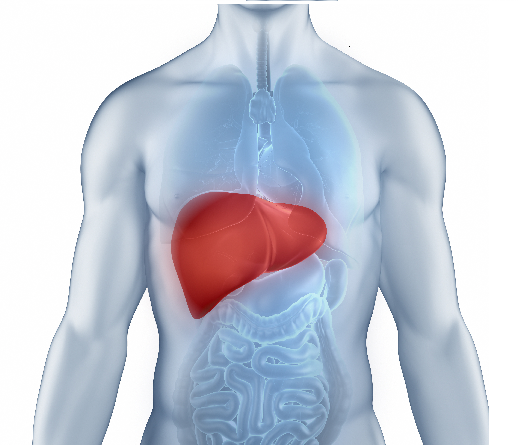
According to the Celiac India and Beyond Foundation, celiac disease is believed to affect about 1% of the global population. Categorized as a digestive disorder, this illness is caused by an unusual reaction to gluten. In the case of celiac disease, the immune system creates toxins in response to gluten that attack the villi, tiny, finger-like protrusions within the small intestine.
Unfortunately, this disorder is surrounded by many myths that can mislead people’s understanding of it and cause misconceptions that hamper diagnosis and treatment. This article dispels five common myths and offers facts about celiac disease.
Myth 1: The only symptom of celiac disease is the inflammation in one’s intestines.
Fact: Celiac disease has many symptoms.
Celiac disease symptoms can differ in children and adults. The symptoms in children include:
• Weight loss
• Vomiting
• Abdominal pain and bloating
• Frequent diarrhoea or constipation
• Fatty, pale and foul-smelling stools
The celiac disease symptoms in adults include the following:
• Joint pain and stiffness
• Iron deficiency anaemia
• Constipation and diarrhoea
• Weight loss
• Anxiety and depression
• Vomiting and nausea
• Fatigue
• Headaches or migraine episodes
• Weak bones
• Skin disorders
• Seizures
• Numbness and tingling in the limbs
• Pale sores inside the mouth
• Tooth discolouration or loss of enamel
• Infertility and miscarriage
Myth 2: Celiac disease is a type of food allergy.
Fact: Celiac disease is not an allergy but an autoimmune disease
The next fact about celiac disease is that it is an autoimmune disease wherein the body’s immune system releases toxins as a response to gluten. These toxins then attack the villi, tiny, finger-like protrusions within the small intestine. This can cause discomfort in the intestines and the symptoms mentioned previously.
Myth 3: A little bit of gluten is acceptable if one has celiac disease.
Fact: Gluten must be avoided by individuals suffering from celiac disease, and even small amounts of it can cause intestinal damage and discomfort.
The next myth about celiac disease can cause an adverse reaction in individuals suffering from the health condition. This is because even small amounts of gluten are enough to cause intestinal damage. In other words, individuals suffering from celiac disease must completely avoid gluten and foods that could contain trace amounts of it. Further, celiac disease patients must also wash their hands if they touch gluten to avoid ingesting it accidentally.
Lastly, if, for any reason, one does consume gluten, they must seek medical attention at the earliest.
Myth 4: Celiac disease is the same as a wheat allergy.
Fact: Celiac disease and wheat allergy are two different health conditions.
The next fact about celiac disease is that it is different from wheat allergy. Firstly, it is not an allergy, as discussed above, but an autoimmune disease. Further, individuals suffering from a wheat allergy need only to avoid wheat, while the small intestine’s lining can be damaged in those suffering from celiac disease when they consume any substance containing gluten, including wheat, barley and rye.
Lastly, the symptoms of wheat allergy are also different from celiac disease and include:
• Skin rashes and hives
• Congested or runny nose
• Headaches
• Sneezing
• Anaphylaxis, which refers to trouble breathing
• Asthma
• Nausea, indigestion, vomiting, diarrhoea, and stomach cramps
Myth 5: Celiac disease is a childhood disease.
Fact: Celiac disease can affect children and adults alike.
This myth about celiac disease is incorrect. Celiac disease doesn’t necessarily affect only children but can develop anytime between infancy and 90 years of age. While initially, this disease was diagnosed only in children, there are increasing incidences in adults as well. As discussed previously, celiac disease symptoms can vary between children and adults. Individuals who notice these symptoms must seek medical attention for timely treatment.
Individuals who notice the above-mentioned symptoms in their children or themselves should consult a healthcare professional and book a Celiac disease Screening Panel test with Dr Lal PathLabs.
FAQs
1. What is celiac disease?
This is an autoimmune condition caused by an unusual reaction to gluten. In this disease, the immune system creates toxins that attack the villi, the tiny finger-like protrusions in the small intestine, as a response to gluten.
2. What are the symptoms of celiac disease?
Celiac disease symptoms vary in children and adults. In the case of children, symptoms include tiredness, irritability, inability to gain weight, delayed puberty, weight loss, vomiting, and more. For adults, symptoms include joint pain, stiffness, depression, headaches, weak bones, seizures, skin disorders, infertility, irregular menstrual periods, and more.
3. Can one live a normal life with celiac disease?
Yes, one can live a normal life with celiac disease. While it can be challenging, the digestive disorder is manageable.
4. What is the main cause of celiac disease?
Celiac disease is caused by gluten intolerance. In this condition, the immune system creates toxins to attack the villi, the tiny finger-like protrusions in the small intestine, in response to gluten.