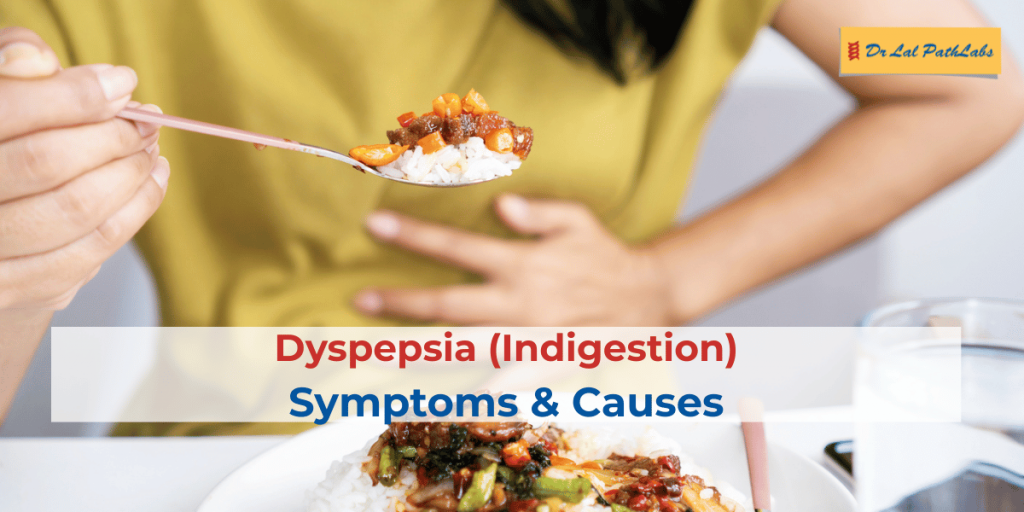
Most people experience dyspepsia, or indigestion, at some point. It mostly occurs after consuming a heavy or rich meal and can cause an uneasy feeling in the stomach.
While experiencing dyspepsia occasionally is usually harmless, frequent discomfort may point to serious digestive issues that need medical attention. The condition can have various causes, and as a result, the symptoms and treatment options can also vary.
In this article, we’ll look at dyspepsia’s meaning, causes, symptoms, and treatment methods to manage it effectively.
What is Dyspepsia?
Dyspepsia, also known as indigestion, is a group of symptoms that cause discomfort in the upper part of the stomach during or after eating. It often includes a feeling of fullness, bloating, mild pain, or a burning sensation. These symptoms can come and go or stay for a longer time.
Dyspepsia can affect people of any age. It is usually linked to how the digestive system handles food. While in most cases, mild, frequent or severe symptoms can affect daily life and point to an underlying digestive problem or condition.
What Causes Dyspepsia?
Dyspepsia can have many causes. However, in some cases, the exact reason can be unclear. A common cause of dyspepsia is excess stomach acid, which can irritate the stomach. Certain digestive conditions can also lead to dyspepsia symptoms.
Other common causes include:
- Acid reflux, where stomach acid flows back into the food pipe
- Stomach ulcers or irritation of the stomach lining
- Infection caused by H. pylori bacteria
- Medicines such as pain relievers and antibiotics
What are the Risk Factors of Dyspepsia?
Some factors can increase the risk of developing dyspepsia. These include:
- Slow digestion or food intolerance
- Smoking or tobacco use
- Frequent intake of caffeine, alcohol, or fizzy drinks
- Eating too fast or having large, heavy, or spicy meals
- High stress, anxiety, or depression
- Being overweight, especially around the stomach
What are the Symptoms of Dyspepsia?
There are various dyspepsia symptoms that can affect the upper part of the stomach. One may feel discomfort for a short time or even for hours. Common dyspepsia symptoms include:
- Pain or a burning feeling in the upper abdomen
- Feeling full during or soon after meals
- Bloating or tightness in the stomach
- Frequent burping or gas
- Nausea, and sometimes vomiting
- Heartburn or a sour feeling in the chest
Sometimes, heart attack symptoms can also feel like indigestion. One must immediately seek medical care if indigestion symptoms are accompanied by fatigue, sweating, shortness of breath, or pain in the arms, jaw, or upper back.
How is Dyspepsia Diagnosed?
Doctors diagnose dyspepsia based on the symptoms, medical history, and simple tests. This typically includes:
- Understanding the individual’s symptoms, eating habits, and lifestyle
- Reviewing their past health issues and medicines
- Conducting a physical exam to check for pain in the abdomen
Doctors may first suggest medicines to reduce stomach acid. However, if the symptoms continue, they may suggest additional tests like:
- Blood tests
- Breath or stool tests
- Imaging or endoscopy
How Can One Manage Dyspepsia?
Dyspepsia can be managed with a combination of simple habits and medical care:
- Eat Smaller, Balanced Meals: Having smaller portions throughout the day reduces pressure on the stomach and makes digestion smoother.
- Choose the Right Foods: Consume simple, home-cooked meals that are easier to digest.
- Improve Eating Habits: Eat slowly and chew food properly to help the digestive system process food better and reduce bloating.
- Avoid Lying Down After Meals: Staying upright for a few hours after eating helps prevent acid from moving upward and causing discomfort.
- Manage Stress Levels: Stress can worsen symptoms. Simple practices like walking, meditation, or deep breathing can help.
- Use Medicines When Needed: Consult a doctor for medication like antacids, acid-reducing medicines, or antibiotics.
Most cases of dyspepsia are mild. However, if symptoms persist, it can signal a more serious underlying digestive issue. In such cases, one must consult a healthcare provider immediately and book the prescribed tests on the Dr. Lal PathLabs app.
FAQs
- How do I get rid of dyspepsia?
The best dyspepsia treatment depends on the cause. Mild cases often improve with small lifestyle changes like eating lighter meals, avoiding trigger foods, and managing stress. However, if an infection like H. pylori is present, doctors may prescribe antibiotics. - What are the 7 signs of indigestion?
Common signs include upper stomach pain, a burning feeling, bloating, feeling full during meals, nausea, burping, and heartburn. These symptoms usually appear after eating. - What is the main cause of dyspepsia?
Dyspepsia is mainly caused by excess stomach acid, which can irritate the digestive system. It may also link to acid reflux, stomach ulcers, infections, or eating habits. - What foods are good for dyspepsia?
Light and easy-to-digest foods work best. These include fruits like bananas, plain rice, oats, boiled vegetables, yogurt, and soups. Low-fat and less spicy foods help reduce discomfort.