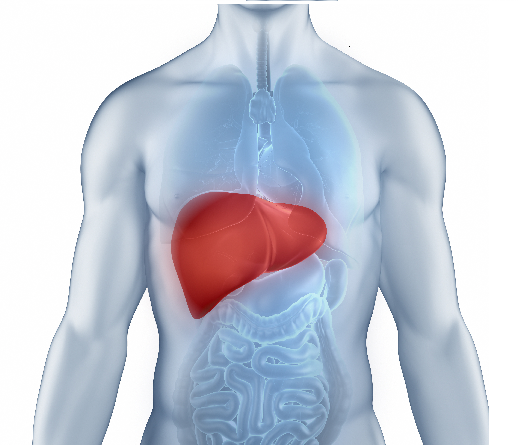
 Brucellosis disease is a serious bacterial infection that spreads from animals to humans. According to Pantnagar Journal of Research, Brucellosis disease is prevalent across India, with the highest cases in Punjab (26.6%) and significant reports from Maharashtra, Andhra Pradesh, Gujarat, Karnataka, and several other states.
Brucellosis disease can cause mild to severe illness and may become a chronic illness if left untreated. Early brucellosis diagnosis and proper treatment are essential to prevent long-term complications.
What are the Common Brucellosis’s Causes?
Brucellosis disease is caused by bacteria called Brucella, which are found in animals such as cows, goats, sheep, pigs, and dogs. The leading brucellosis causes are:
- Drinking unpasteurised milk, cheese, or ice cream
- Eating undercooked meat from infected animals
- Handling animal fluids like blood, placenta, or urine
- Inhaling the bacteria in farms, laboratories, or slaughterhouses
The infection from Brucellosis disease affects multiple body parts and can persist for weeks or even years if left untreated.
What are the Common Brucellosis Disease Symptoms?
Symptoms of brucellosis disease usually appear a few days to months after infection. Common Brucellosis in humans’ symptoms include:
- Fever that can come and go (undulant fever)
- Chills and heavy sweating
- Feeling tired and weak (fatigue)
- Muscle, joint, and back pain
- Headache, depression
- Loss of appetite and weight loss
Brucellosis disease symptoms may disappear and return over time. In chronic cases, Brucellosis disease in humans’ symptoms may include joint swelling (arthritis), heart inflammation (endocarditis), or testicular swelling in men. Early recognition of Brucellosis disease symptoms can facilitate prompt diagnosis and treatment.
Who is at risk of Brucellosis disease?
Certain groups of individuals can face a higher risk of contracting brucellosis disease as a result of their environment or occupation. These include:
- Farmers and livestock handlers who work closely with animals
- Veterinarians who treat infected animals
- Slaughterhouse workers are involved in the processing of animals
- Individuals who consume unpasteurised milk or dairy products regularly
What does Brucellosis Testing Involve?
Brucellosis testing confirms the presence of Brucella bacteria in the body. There are several methods used, including:
- Blood culture
This Brucella test involves growing the Brucella bacteria from the patient’s blood or bone marrow. Though it provides a definitive diagnosis, it can take several days to weeks because the bacteria grow slowly. - Serological tests (Brucella test)
These Brucellosis tests detect antibodies produced by the body in response to the Brucella bacterium. Common tests include the Rose Bengal test, Standard Agglutination Test (SAT), and ELISA. They are quicker and widely used, especially in resource-limited situations. - PCR test
PCR test is a molecular brucella test that detects Brucella DNA. It is fast and highly accurate, able to detect bacteria even in the early stages before antibodies develop. The PCR test is useful for rapid diagnosis and monitoring brucellosis treatment success. - Imaging tests
Echocardiograms, X-rays, CT scans, and MRIs can help identify complications in organs, bones, or joints caused by Brucellosis disease.
Doctors often use a combination of these Brucellosis tests for a precise brucellosis diagnosis, especially when symptoms are unclear or chronic.
How Does the PCR test Help in Brucellosis Testing?
The PCR test plays a key role in early diagnosis by detecting Brucella DNA quickly and accurately. It can detect Brucella DNA even before antibodies appear, making it highly useful for early brucellosis testing.
Early detection enables doctors to initiate treatment promptly, typically curing the infection within weeks to months, thereby minimising suffering and improving outcomes.
What is Brucellosis’s treatment?
If individuals notice the above-mentioned brucellosis disease symptoms, they must consult a medical professional on priority. This can aid in timely diagnosis and effective brucellosis treatment for a successful outcome.
A doctor will typically enquire into the individual’s brucellosis disease symptoms and lifestyle to diagnose the disease. Based on this and diagnostic tools such as the PCR test, they will create a brucellosis treatment plan.
Early treatment is crucial for recovery and to reduce the risk of critical complications, like arthritis, heart inflammation, or nervous system involvement. With timely diagnosis, Brucellosis disease can be prevented and treated effectively. To stay ahead of infections, download the Dr Lal PathLabs app today and book tests with ease.
FAQs
-
- What is the treatment for Brucellosis disease?
The treatment for Brucellosis disease typically involves the doctor enquiring into the individual’s symptoms and lifestyle. Based on this and diagnostic tools such as the PCR test, the doctor will create a brucellosis treatment plan.
- What is the treatment for Brucellosis disease?
-
- What causes Brucellosis disease in humans?
Brucellosis disease in humans is caused by the Brucella bacteria, which usually spreads through the consumption of unpasteurised dairy products or direct contact with infected animals.
- What causes Brucellosis disease in humans?
- What is the PCR test for Brucellosis?
The PCR test detects the DNA of Brucella bacteria. It is a fast and effective method for diagnosing brucellosis disease.