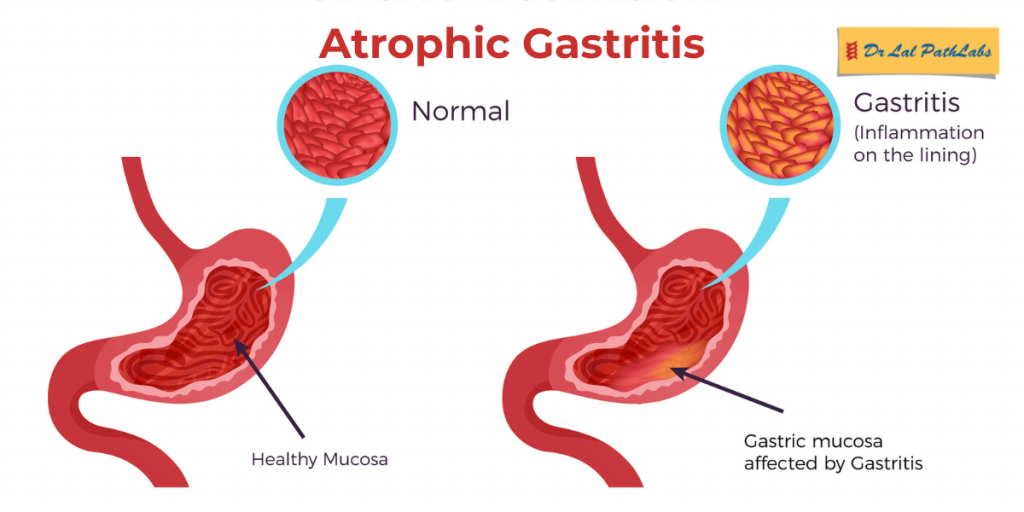
Atrophic gastritis is a chronic condition that affects the stomach. The stomach lining is inflamed due to infection or by the antibodies inside a person attacking their own cells in the stomach. Chronic atrophic gastritis causes many discomforts to a person, such as pain in the abdomen, nausea, anemia, etc. and may even lead to the development of stomach cancer.
This article helps us understand what atrophic gastritis is, its types, symptoms, and how it is diagnosed.
What is Atrophic Gastritis?
Atrophic gastritis is characterized by chronic inflammation and thinning of the stomach lining. It can be caused by environmental and genetic factors. In both cases, the person affected with chronic atrophic gastritis can develop neuroendocrine tumors (NETs), which are non-cancerous tumors. It also increases the risk of gastric (stomach) cancer.
What are the Types of Atrophic Gastritis?
Atrophic gastritis is of two types. These are:
- Environmental Metaplastic Atrophic Gastritis (EMAG): EMAG happens due to infection or environmental reasons that damage the stomach lining, leading to inflammation.
- Autoimmune Atrophic Gastritis (AAG): AAG happens when a person’s immune system attacks their own healthy cells in the stomach.
What are the Causes of Atrophic Gastritis?
Environmental Metaplastic Atrophic Gastritis (EMAG): EMAG is the inflammation of the stomach caused by the Helicobacter pylori, also called H. pylori bacteria. This bacterium damages the mucus that protects the stomach lining. This goes on for many years and reaches a point where the acids in the stomach start damaging the stomach cells, leading to chronic atrophic gastritis.
Autoimmune Atrophic Gastritis (AAG): The body produces antibodies that fight against the bacteria and viruses entering it. In autoimmune atrophic gastritis, these antibodies misidentify stomach cells as foreign entities and attack them. This damages the stomach lining. They also damage stomach cells known as intrinsic factors that are responsible for absorbing vitamin B12. Lack of Vitamin B12 can cause nerve damage. The absence of intrinsic factors impairs the body’s ability to produce healthy blood cells, leading to pernicious anemia.
What Factors Increase the Risk of Atrophic Gastritis?
For Environmental metaplastic atrophic gastritis, a person’s chances of acquiring H. pylori bacteria increase if they come in contact with contaminated water, food, saliva or fecal matter.
Lifestyle factors that increase the risk of EMAG are
- Eating processed food
- Excessive alcohol consumption
- Smoking
- A diet low in fruits and vegetables
Autoimmune atrophic gastritis risks increase if they are a female or have
- Vitiligo
- Genetic mutation
- Family history of AAG
- Addison’s disease
- Type 1 diabetes
- Autoimmune thyroid disease
What are the Symptoms of Atrophic Gastritis?
Symptoms of atrophic gastritis may not always be present. But when present, they can appear differently depending on the type of chronic atrophic gastritis.
Environmental Metaplastic Atrophic Gastritis (EMAG) symptoms:
- Abdominal pain
- Unexplained weight loss
- Nausea or vomiting
- Loss of appetite
- Anemia
- ulcers
Autoimmune Atrophic Gastritis (AAG) symptoms:
- Chest pain
- Mental confusion
- Nausea and vomiting
- Pale skin
- Tinnitus (ringing in the ears)
- Numbness in limbs
- General fatigue
How is Atrophic Gastritis Diagnosed?
A doctor performs the following tests to confirm atrophic gastritis
- Blood test: It checks healthy red blood cells, iron, gastrin, pepsinogen and vitamin B12.
- Endoscopy: It helps visualize the stomach lining by inserting a thin tube with a camera.
- Biopsy: Signs of inflammation and atrophy in the stomach are checked by examining tissue samples collected during endoscopy.
- Imaging studies: X-ray and CT scans are also used to examine for chronic atrophic gastritis
Atrophic gastritis can go unnoticed for years while still causing serious damage to the body, such as NETs or stomach cancer. The best preventive measure to reduce the risk of chronic atrophic gastritis is to avoid direct contact with contaminated surfaces and to wash hands before eating or after using the bathroom. If any symptoms of atrophic gastritis are present, it is advisable to consult a doctor and schedule a stomach health gastro panel test with Dr. LalPath lab. Download the Dr LalPath Labs app to book a test today!
FAQs
- How do doctors diagnose atrophic gastritis?
A doctor diagnoses atrophic gastritis with endoscopy, biopsy, and imaging tests such as X-rays or CT scans, as well as blood tests that check red blood cells, iron, gastrin, pepsinogen, and vitamin B12. - What are the alarming signs of atrophic gastritis?
Abdominal pain, vomiting, anemia, and unexplained weight loss are some of the alarming signs of atrophic gastritis. - What autoimmune diseases cause atrophic gastritis?
Autoimmune diseases such as vitiligo, type-1 diabetes, Addison’s disease and autoimmune thyroid disease increase the chance of having autoimmune atrophic gastritis. - What are the types of atrophic gastritis?
There are two types of atrophic gastritis, environmental metaplastic atrophic gastritis (EMAG), which is caused by H. pylori bacteria, and autoimmune atrophic gastritis (AAG), which is caused by the antibodies in the body attacking the stomach cells.