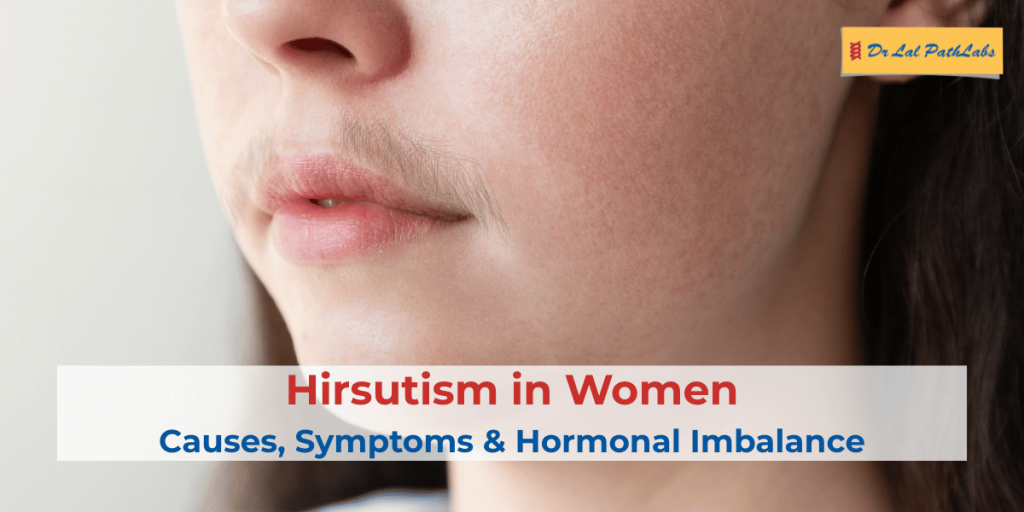
Hirsutism causes women to grow thick, dark hair in areas where men typically have it, such as the face, chest, back, and abdomen. While it isn’t harmful on its own, it often signals a hormonal imbalance that needs medical attention.
Despite being common, hirsutism is often misunderstood or dismissed as a cosmetic concern. However, it’s important to understand its root cause, as it may be linked to conditions such as Polycystic Ovary Syndrome (PCOS) or other hormonal disorders.
This article covers the causes, symptoms, hormonal connections, diagnosis, and cures for hirsutism.
What is Hirsutism?
Hirsutism in women is a condition that causes thick, dark, coarse hair in areas where it usually doesn’t appear, such as the face, chin, upper lip, chest, back, and abdomen. This hair looks similar to the pattern and texture typically seen in men instead of the light, fine hair most women have.
Hirsutism mainly affects women and occurs when the body produces higher levels of androgens, often called “male hormones.” Women naturally produce small amounts of these hormones, but when levels increase or the body becomes more sensitive to them, it can lead to excessive hair growth.
What Causes Hirsutism?
In many cases, an increase in androgen levels is the primary reason. However, the exact cause is not always identifiable. The most common causes of female hirsutism include:
- Polycystic Ovary Syndrome (PCOS): PCOS disrupts the hormonal balance in the body, leading to excess androgen production.
- Cushing’s Syndrome: This condition develops when the body produces high levels of the hormone cortisol over a prolonged period, which can disrupt androgen levels and trigger excessive hair growth.
- Medications: Certain drugs, including anabolic steroids, minoxidil, danazol, testosterone, and cyclosporine, are known to trigger abnormal hair growth as a side effect.
- Tumours: In rare cases, tumours on the ovaries or adrenal glands can release androgens in excess, causing sudden and rapid hair growth.
- Menopause: Hormonal shifts following menopause can alter the androgen-oestrogen balance, sometimes leading to increased facial hair growth.
- Idiopathic Hirsutism: In some women, no identifiable cause is found despite normal hormone levels. This is known as idiopathic hirsutism and tends to be chronic in nature.
What are the Symptoms of Hirsutism?
The most visible sign of hirsutism is the appearance of thick, dark, coarse hair in areas typically associated with male hair growth, such as:
- Coarse, dark hair on the chin, upper lip, or jawline
- Excessive hair on the chest, upper abdomen, or lower back
- Thick hair growth on the inner thighs or buttocks
In more severe cases, signs of virilisation may also appear:
- A deepening of the voice
- A noticeable increase in muscle mass
- Reduction in breast size
- Enlargement of the clitoris
- Changes in libido
How to Manage Hirsutism?
While there are no permanent cures for hirsutism, several treatment and management options can effectively reduce hair growth and address the underlying cause.
Medical Hirsutism Treatments
- Oral contraceptives: Birth control pills, recommended by a doctor, can help lower androgen levels and are commonly the first line of medical treatment for hirsutism.
- Anti-androgen medications: Drugs such as spironolactone help limit the impact of androgens on hair follicles, reducing excessive hair growth over time. Dosage and suitability must be determined by a healthcare provider.
- Eflornithine cream: It’s a topical prescription cream applied to the face that slows down hair growth, though it does not remove existing hair.
- Low-dose steroid medications: These are prescribed when overactive adrenal glands are the underlying cause.
Hair Removal Options
- Shaving and waxing: Offer immediate but temporary results and require regular maintenance.
- Threading and depilatory creams: Affordable and accessible options for managing hair on smaller areas.
- Laser hair removal: Targets and damages hair follicles using concentrated light, providing longer-lasting results over multiple sessions.
Lifestyle Changes
- Weight management: Losing excess weight can lower androgen levels and reduce hair growth, particularly in women with PCOS.
- Exercise and diet: Exercising regularly and having a healthy, balanced diet support hormonal regulation.
Hirsutism is a manageable condition, and early recognition helps ensure timely care. In most cases, hormonal imbalance causes the condition, so proper diagnosis remains important before starting treatment. With lifestyle changes and proper treatment, many women can see significant improvement.
If excessive or unusual hair growth appears, consult a healthcare provider. A sex hormone-binding globulin (SHBG) test can also help assess hormonal activity in the body and aid in accurate diagnosis. Book the SHBG test conveniently through the Dr Lal PathLabs app..
FAQs
- What is hirsute meaning?
Hirsute meaning, in simple terms, is the presence of excessive, coarse hair growth in areas where it is not typical. - What are the cures for hirsutism?
Complete cures for hirsutism are not always possible, but medical treatments, hair removal procedures, and lifestyle changes can significantly reduce hair growth and help manage symptoms.