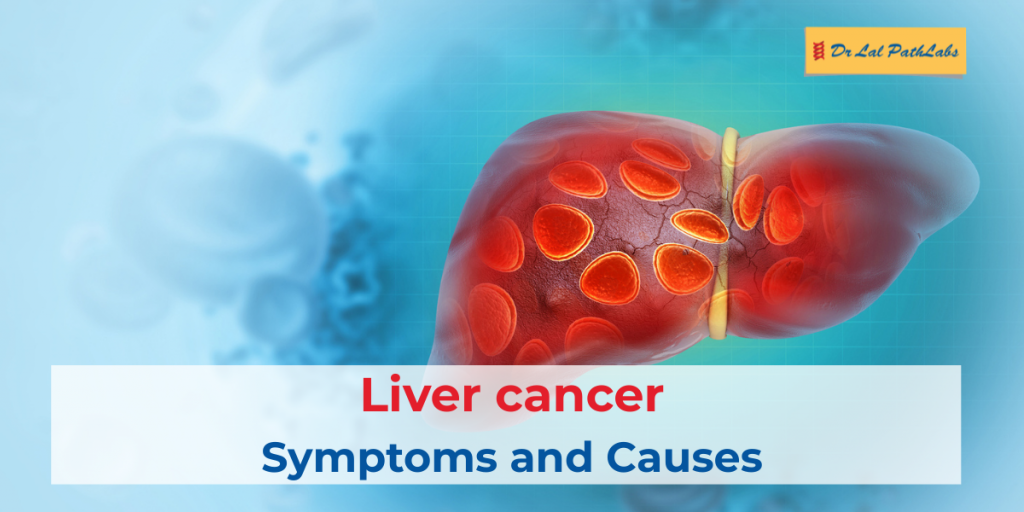
Liver cancer is a life-threatening condition that can develop with little to no warning signs. Awareness of its causes, symptoms, and risk factors is important for early detection and effective management.
This article provides an overview of liver cancer, including its types, symptoms, causes, and diagnostic methods.
What is Liver Cancer?
Liver cancer is a fatal medical condition in which liver cells grow and divide in an uncontrolled manner, forming a tumour. Liver cancer is of two kinds:
- Primary liver cancer begins in the liver itself.
- Secondary liver cancer occurs when cancer that began in another organ, like the colon, lungs, or breast, spreads to the liver.
What are the Types of Liver Cancer?
Liver cancer can be of different types, depending on which liver cell is affected.
- Hepatocellular Carcinoma (HCC): This is the most common form. It begins in the main type of liver cell. It mostly affects people with liver conditions, like cirrhosis or hepatitis B or C infection.
- Intrahepatic Cholangiocarcinoma (Bile Duct Cancer): This type of cancer begins in the bile ducts, which are the small tubes that carry bile through the liver.
- Hepatoblastoma: This type primarily affects children, particularly those under the age of three.
- Hepatic angiosarcoma: It begins in the blood vessels of the liver and tends to grow rapidly.
What are Some Liver Cancer Causes?
Liver cancer happens when liver cells develop mutations in their DNA, causing them to grow uncontrollably and form a tumour.
While the exact liver cancer causes are not always known, certain factors are known to trigger these changes, such as:
- Chronic hepatitis B or C infection.
- Long-term excessive alcohol consumption.
- Non-alcoholic fatty liver disease, where excess fat accumulates in the liver.
- Cirrhosis (scarring of the liver).
- Certain inherited liver diseases, like hemochromatosis and Wilson’s disease.
People with diabetes and those who are overweight have a higher chance of having liver cancer.
What are Liver Cancer Stages?
Liver cancer is divided into 4 stages:
- Stage I: It’s an early stage when a single tumour is present in the liver. Liver function is normal here.
- Stage II: A single tumour measuring up to 5 centimetres is present, or there are several smaller tumours. The cancer may have begun to affect nearby blood vessels.
- Stage III: It’s the intermediate stage when multiple tumours are present, or at least one tumour measures 5 centimetres or larger. The cancer may have spread to large blood vessels, lymph nodes, or a nearby organ.
- Stage IV: The cancer spreads in this stage beyond the liver to other parts of the body, such as the lungs or bones. This is the most serious stage and limits treatment options.
What are Liver Cancer Symptoms?
Common liver cancer symptoms are:
- Unexplained weight loss
- Loss of appetite
- Upper abdominal pain
- Abdominal swelling
- White or chalky stools
- Dark-coloured urine
- Yellowing of the skin and whites of the eyes
- Unexplained itching
How is Liver Cancer Diagnosed?
Diagnosing liver cancer typically begins with a physical exam and an assessment of the patient’s medical history, symptoms, and known risk factors. Diagnostic liver tests include:
- Tumour marker test: A blood test that measures the level of alpha-fetoprotein (AFP), a protein that is often high in people with liver cancer.
- Liver ultrasound: Produces images of the liver to detect unusual growths or masses.
- Angiogram: Examines blood vessels in and around the liver for abnormalities.
- CT scan: Provides comprehensive images of the liver, helping determine tumour size and location.
Is Liver Cancer Curable?
Liver cancer is life-threatening, but in some cases, it can be cured, particularly when detected early. A successful liver transplant offers the best chance of a cure. However, not everyone is eligible for a transplant, and finding a suitable donor can be difficult.
How to Manage and Prevent Liver Cancer?
Liver cancer treatment options depend on liver cancer stages, the patient’s overall health, and the extent of liver damage. To reduce its risk, one can:
- Get vaccinated against hepatitis B.
- Avoid sharing needles or coming into contact with infected blood to reduce the risk of hepatitis C.
- Limit or avoid alcohol consumption.
- Maintain a healthy weight.
- Manage diabetes and fatty liver disease with medical guidance.
Early diagnosis is the most important factor in managing liver cancer effectively. Regular screening, a healthy lifestyle, and timely medical attention can make a meaningful difference. If any concerning symptoms are experienced, consult a healthcare provider promptly and book the necessary liver panel test through the Dr Lal PathLabs app.
FAQs
1. How does liver cancer start?
Liver cancer starts when DNA mutations cause liver cells to grow uncontrollably, eventually forming a malignant tumor.
2. Is liver cancer curable?
Liver cancer is curable in some cases, particularly when detected early or through a successful liver transplant.