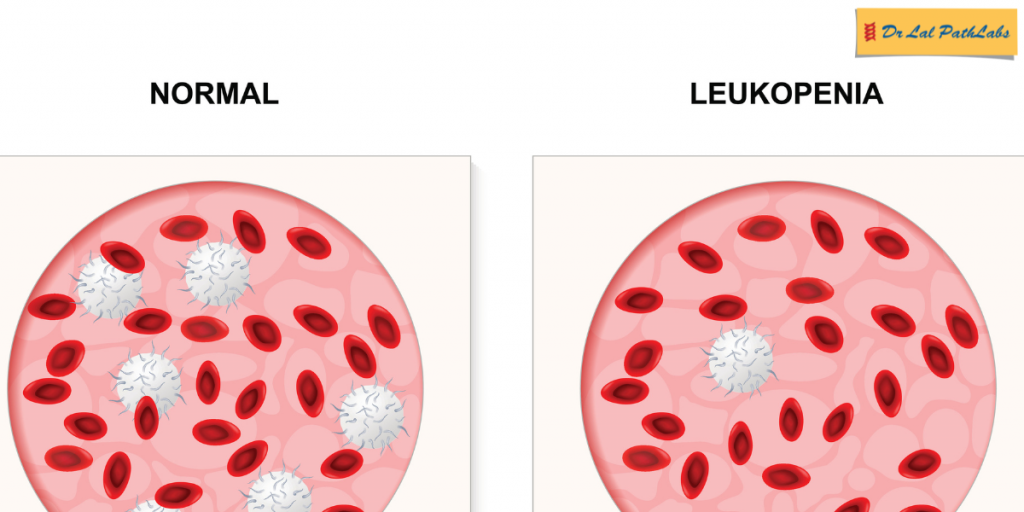
White blood cells (WBCs) help the body fight against infections. Males and children have WBCs ranging from 5,000 to 10,000 cells per microliter (μL), whereas for women, this range is 4,500 to 11,000 μL.
However, when the white blood cell counts in the blood falls below 4,000 μL, the condition is called leukopenia. Understanding leukopenia’s meaning, causes, and symptoms can help one get timely medical care.
What is Leukopenia?
Leukopenia is a condition in which the body has fewer white blood cells than it needs to function properly. These cells are made in the bone marrow and protect the body from infections.
If an individual has a low white blood cell count, their immune system becomes weaker and cannot respond to harmful germs efficiently. In many cases, a low WBC count can affect neutrophils, a type of white blood cell that acts as the body’s first responder against infection.
While leukopenia itself is not a disease, it is a sign that something is affecting the body’s ability to produce or maintain these cells.
What Causes Leukopenia?
A person can develop leukopenia when the body either doesn’t make enough white blood cells or destroys them too quickly. Common leukopenia causes include:
- Bone Marrow Problems: Conditions like leukaemia or aplastic anemia affect bone marrow, reducing cell production.
- Cancer Treatments: Chemotherapy and radiation can damage healthy blood cells along with cancer cells.
- Autoimmune Diseases: In illnesses like lupus or rheumatoid arthritis, the immune system mistakenly attacks healthy cells.
- Infections: Severe viral infections, including HIV or the flu, can lower WBC counts.
- Poor Nutrition: Low levels of vitamin B12, folate, or copper.
What are the Types of Leukopenia?
Leukopenia can be classified into 5 types, depending on the type of WBC:
Neutropenia: Low neutrophils. These cells mainly fight bacteria and fungi. When they are low, you may get infections more easily.
- Lymphocytopenia: Low lymphocytes. These cells help fight viruses and support the body’s overall immune response.
- Monocytopenia: Low monocytes. They help remove germs and damaged cells in the body.
- Eosinopenia: Low eosinophils. They protect the body against allergies and parasite infections.
- Basopenia: Low basophils. These help control allergic reactions in the body.
What are the Symptoms of Leukopenia?
There are no direct leukopenia symptoms. However, since the blood has a lower count of WBC, a person may catch infections easily. Some signs of infection include:
- Fever
- Chills or sweating
- Sore throat
- Cough
- Trouble breathing
- Redness, swelling, or pain in any area
- Mouth sores
- White patches inside the mouth
- Pain or burning while urinating
- Wounds that ooze pus
How is Leukopenia Diagnosed?
Doctors may recommend a Complete Blood Count or CBC blood test to diagnose leukopenia. This test measures the number of white blood cells, red blood cells, and platelets in the blood.
If the white blood cell count is low, the doctor may:
- Repeat the CBC blood test to confirm the result.
- Order a CBC with differential, which shows the levels of each type of white blood cell.
- Suggest additional tests for infections, like a blood test, urine test, or chest X-ray.
- In some cases, do a bone marrow test to see how blood cells are being made.
How is Leukopenia Treated?
Leukopenia treatment depends on what is causing the low white blood cell count. It focuses on treating the reason behind it and protecting the body from infections. A doctor may recommend the following leukopenia treatment options:
- Treating the Underlying Cause: If medicine is causing low WBC, the doctor may reduce the dose or stop it. If an infection or another illness is causing it, the doctor will treat that condition first.
- Medication: Some drugs help the bone marrow produce more WBCs.
- Adjusting Ongoing Treatments: If an individual develops leukopenia during ongoing treatments like chemotherapy, the doctor may pause the treatment until the WBC count improves.
Leukopenia is a sign that a person’s immune system may not be working efficiently. While it does not always cause symptoms, it can increase the risk of infections. Therefore, it’s important to diagnose and treat it early to prevent complications later.
If one experiences any leukopenia symptoms, they must immediately consult a doctor and book the recommended tests through the Dr. Lal PathLabs mobile app.
FAQs
1. What are the symptoms of low white blood cell count?
Leukopenia or low WBC itself does not have any clear symptoms. However, it makes it easier to catch infections. Some signs include fever, chills, sore throat, cough, mouth sores, frequent infections, and pain while urinating.
2. What is the best treatment for leukopenia?
The best treatment for leukopenia depends on the cause and can vary for different individuals. Doctors may either stop or change a medicine, treat an infection, or prescribe medication to increase white blood cells.
3. What level of WBC is dangerously low?
A WBC count below 4,000 cells per microliter is considered low.