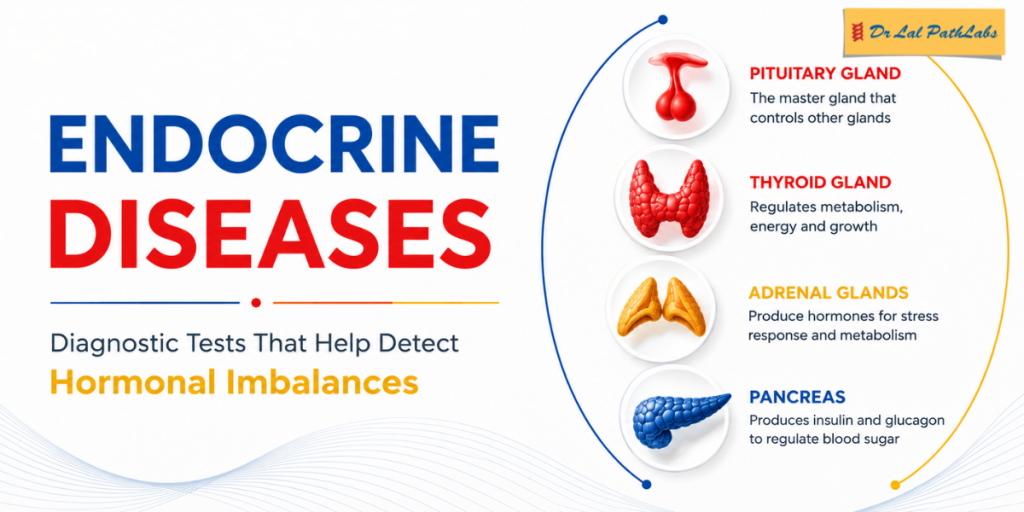
Endocrine diseases occur when the hormones produced by glands in the endocrine system do not work properly. Early and precise testing aids in identifying such hormonal imbalances and directing effective treatment. This article discusses the endocrine system, endocrine diseases, and the tests used to diagnose them.
What is the Endocrine System?
The endocrine system is a set of glands that secrete hormones directly into the blood. These hormones then circulate to various organs and regulate their functions. There are mainly two types of endocrine glands:
- Pure endocrine glands secrete hormones only into the blood (e.g., the pituitary and adrenal glands).
- Mixed endocrine glands, in addition to producing hormones, perform other functions as well (e.g., the pancreas produces insulin and certain digestive enzymes).
What are Endocrine System Diseases?
Endocrine diseases are medical conditions caused by dysfunction of the endocrine system. They occur either because the gland overproduced or underproduced the hormone, or the body did not respond properly to the hormone. The following is the endocrine diseases list:
- Thyroid disorders: Hypothyroidism, Hyperthyroidism, Thyroiditis
- Diabetes: Type 1 and Type 2
- Adrenal disorders: Cushing’s syndrome, Addison’s disease
- Pituitary disorders: Prolactinoma, Hypopituitarism
- Parathyroid disease: Hyperparathyroidism, Hypoparathyroidism
- Reproductive hormone disorders: PCOS, low testosterone
What are Common Endocrine Tests?
Tests play a vital role in diagnosing endocrine diseases, as they help turn vague symptoms into clear answers. Tests help identify diseases early, guide treatment choices and dosages, and determine if the patient is responding to therapy. Here are some common endocrine tests and their purposes:
- TSH blood test / Thyroid profile testTSH (Thyroid Stimulating Hormone) is the main test for checking thyroid function. It measures the hormone produced by the pituitary gland that signals the thyroid to work. A thyroid profile test typically also includes free T4 and, in some cases, free T3 to demonstrate the presence of active thyroid hormones in the blood. These tests can detect an underactive or overactive thyroid gland, explain symptoms such as weight changes and fatigue, and monitor treatment. Fasting is not necessary for thyroid tests, but one should inform the lab if they are taking any thyroid medication.
- Blood glucose and HbA1cBlood glucose shows the current level of sugar in the blood, whereas HbA1c indicates the average blood sugar for the past two to three months. When there is suspicion of diabetes, fasting insulin can be used to detect insulin resistance. These tests check whether a person has diabetes or prediabetes and thus determine if they should make lifestyle changes or take medication. Patients need to fast overnight for glucose and fasting insulin tests; however, the HbA1c test does not need fasting.
- Cortisol and ACTHCortisol is the major stress hormone of the body, and ACTH (Adrenocorticotropic hormone) is the pituitary signal that directs it. Morning blood cortisol measurement is common, but some diseases require late-night salivary cortisol or 24-hour urine cortisol to reveal the daily pattern. These tests help detect excess cortisol (Cushing’s) or insufficient cortisol (Addison’s) and may be followed by suppression or stimulation tests for confirmation. The timing for these tests is crucial, as certain medicines and stress can influence cortisol levels.
- Sex hormones and prolactinTests for estrogen, progesterone, testosterone, and prolactin provide information about reproductive health, menstrual issues, fertility, and some pituitary disorders. They can reveal the reasons behind irregular periods, low libido, or infertility and help medical professionals determine the treatments. Some of these hormone tests require specific menstrual cycle timing. And hormonal medications or birth control can also affect results.
- PTH and calciumParathyroid hormone (PTH) and blood calcium tests assess the function of the parathyroid glands and the body’s calcium levels. They can diagnose disorders of the bones and kidneys and explain symptoms such as bone pain or kidney stones. Supplements and recent meals may affect the test results, so follow the lab’s instructions for preparation.
- Dynamic testsDynamic tests administer a drug that either stimulates or suppresses the hormone, then measure hormone responses over time. Examples include the oral glucose tolerance test and the ACTH stimulation test. These tests are performed when a single blood sample is insufficient to reflect a gland’s proper function. Accurate results require strict timing, fasting and clinic supervision.
Relevant tests are selected based on the patient’s symptoms and the suspected gland. If symptoms of endocrine disease are being experienced, like fatigue, weight changes, mood swings, delayed growth, irregular periods, excessive thirst, or weakness, immediately visit a doctor and book the endocrine system disorder tests through the Dr Lal PathLabs app.
FAQs
- Can medicines or supplements influence endocrine disease testing?
Many medicines and supplements can impact hormone levels and endocrine conditions. It is advisable to inform the clinic of all the drugs before the testing. - Which endocrine system glands and hormones are linked together?
Following is the list of endocrine glands and their hormones:
- Pituitary: Growth hormone, prolactin, TSH, ACTH
- Thyroid: T3, T4
- Parathyroid: Parathyroid hormone (PTH)
- Adrenal glands: Cortisol, aldosterone, adrenaline
- Pancreas: Insulin, glucagon
- Ovaries: Estrogen, progesterone
- Testes: Testosterone