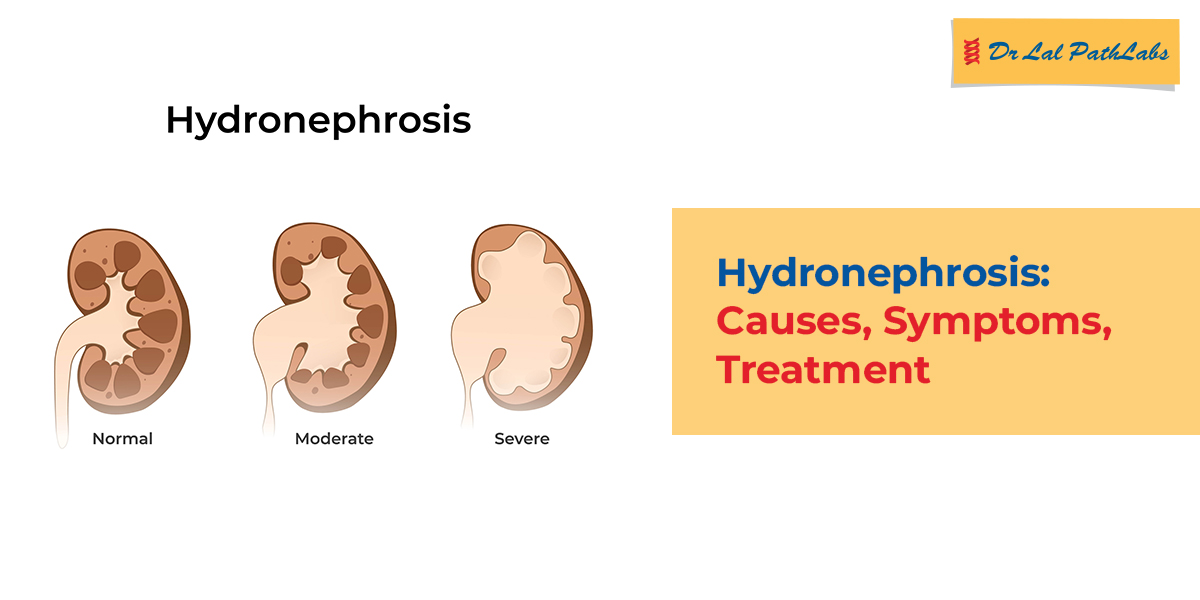
Hydronephrosis is a serious health condition of the urinary tract wherein one or both kidneys swell. It can be chronic or sudden, complete or partial, one-sided or bilateral. In cases where only one kidney is compromised, the condition is often referred to as unilateral Hydronephrosis. In case both kidneys are affected, the condition is called bilateral Hydronephrosis.
Understanding Hydronephrosis meaning and Hydronephrosis symptoms helps individuals answer what is Hydronephrosis and how to identify it to ensure timely medical intervention. This article discusses everything you need to know about this condition, from Hydronephrosis definition to Hydronephrosis symptoms, causes and treatment.
What are the Causes of Hydronephrosis?
Being a urinary tract condition, Hydronephrosis’s most common cause is an obstruction in the tract. This can be caused by a number of conditions, including:
- Ureteral Obstruction (blockage in the ureters)
- Kidney Stones
- Benign Prostatic Hyperplasia (BPH) (Enlarged prostate)
- Tumours
- Ureterocoele (birth defect involving the ends of the ureters not developing properly)
- Vesicoureteral Reflux (the backflow of urine into the ureters)
- Urinary Retention
- Nerve or Muscle Issues
- Narrowing of the Urinary Tract
- Pregnancy
- Cystocele (the sagging of the bladder into the vagina)
- Uterine Prolapse (the sagging of the uterus into the vagina)
- Cancer
In the cases of babies, antenatal Hydronephrosis symptoms include:
- An obstruction in the urine flow at a point in the baby’s urinary tract.
- An increase in the amount of urine produced.
- A backflow of urine into the ureters from the bladder to the kidneys.
What are Hydronephrosis’s Symptoms?
Unfortunately, Hydronephrosis can often present no symptoms, making the condition hard to identify in its early stages. However, some common Hydronephrosis symptoms include:
- Pain during urination
- Urgency to urinate
- Frequent urination
- Fever
- Weight loss
- Loss of appetite
- Blood in the urine
- Vomiting
- Upset stomach
- Pain in the side and the back that travels to the groin or the lower stomach area
- Failure to thrive in infants
How is Hydronephrosis Diagnosed?
Timely diagnosis of Hydronephrosis is vital to prevent long-term kidney damage. Individuals who know what is Hydronephrosis, and Hydronephrosis symptoms must consult a healthcare professional promptly. Hydronephrosis diagnosis typically involves the following:
- Physical examination:
The doctor will enquire into your Hydronephrosis symptoms, and medical history. They will also check for swelling or tenderness near the kidneys and bladder. - Urine tests:
A urine sample is analysed for blood, stone crystals, infection or bacteria. - Blood tests:
A Complete Blood Count (CBC) helps ascertain the presence of an infection. Kidney function tests help understand creatinine level, estimated GFR (eGFR), and Blood Urea Nitrogen (BUN) may also be required. - Imaging tests:
Hydronephrosis diagnosis can require an ultrasound, a CT scan or an MRI.
How is Hydronephrosis Treated?
Treatment is dependent on the cause of Hydronephrosis and the intensity of symptoms. Further, the aim of Hydronephrosis treatment is to reduce kidney swelling and prevent any damage to the organs. Common Hydronephrosis treatments include:
- Medication:
Doctors can prescribe antibiotics to help clear a Urinary Tract Infection (UTI) . Further, painkiller medication might also be prescribed to help manage discomfort. - Surgery:
A surgery might be required in extreme cases to help fix an obstruction or correct the backflow of urine. It is a common treatment option for when Hydronephrosis is caused by a kidney stone, blocked ureter, cancer or an enlarged prostate. - Shock Wave Lithotripsy:
This is a common treatment option in cases where Hydronephrosis is caused by kidney stones. High-intensity shock waves help break down the stones into smaller fragments that can be flushed by the body easily. - Ureteroscopy:
This involves placing a thin tube into your urethra to help break and remove kidney stones.
Hydronephrosis’s meaning is the swelling of one or both kidneys, which ultimately affects the urinary tract. Individuals should be aware of what is Hydronephrosis and common Hydronephrosis symptoms to seek timely medical intervention. In case individuals notice common signs of Hydronephrosis, they must consult a doctor and book a test for Hydronephrosis at Dr Lal Pathlabs app for effective treatment.
FAQs
- What is Hydronephrosis?
Hydronephrosis’s meaning is the swelling of one or both kidneys, which ultimately affects the urinary tract’s optimal functioning. - What are Hydronephrosis’s symptoms?
Hydronephrosis’s symptoms include pain during urination, urgency to urinate, frequent urination, fever, weight loss, loss of appetite, blood in the urine, vomiting, upset stomach, pain in the side and the back that travels to the groin or the lower stomach area, and failure to thrive in infants. - What are the tests for Hydronephrosis?
The tests for Hydronephrosis include urine tests and blood tests like Complete Blood Count (CBC). - What are the causes of Hydronephrosis?
The causes of Hydronephrosis include ureteral obstruction, kidney stones, Benign Prostatic Hyperplasia (BPH), tumours, ureterocoele, vesicoureteral reflux, urinary retention, nerve or muscle issues, narrowing of the urinary tract, pregnancy, cystocele, and uterine prolapse.