Osteomalacia is a medical condition in which the bones turn ‘soft’. A major cause of osteomalacia disease is vitamin D deficiency, which helps the body in calcium absorption, which in turn maintains the strength and hardness of the bones. When Osteomalacia is found in children, it is called ‘rickets’.
What is Osteomalacia?
Osteomalacia is a vitamin D deficiency that results in soft and brittle bones. It is a result of the improper absorption of calcium and phosphorus from the body. And without vitamin D to help with the absorption, your bones don’t mineralize, making them fragile and easy to break.
Individuals may not notice osteomalacia at first. But the bone pain starts in the lower half of the body and eventually spreads to other parts. Simple movements might also cause pain and cramps, making it necessary to seek immediate medical help.
What are the Osteomalacia Symptoms?
The main sign of Osteomalacia is bone pain. Some other Osteomalacia symptoms include:
- Muscle weakness
- Severe bone pain in hips and bone fractures
- Difficulty in walking
- Swollen and painful wrists
- Pins-and-needles sensation in arms and legs
- Muscle spasms or cramps, tingling of hands or feet
- Numbness around the mouth
What are Osteomalacia Causes?
The main reason behind Osteomalacia is vitamin D deficiency, and this is often due to an imbalanced diet and not getting enough sunlight. Some other osteomalacia causes include:
- Kidney issues
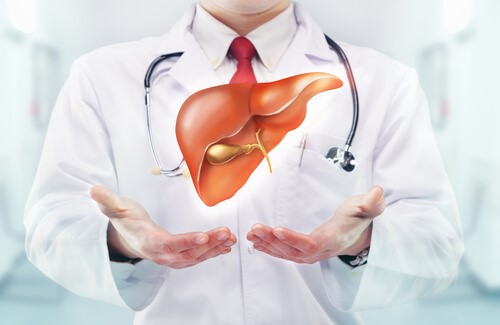
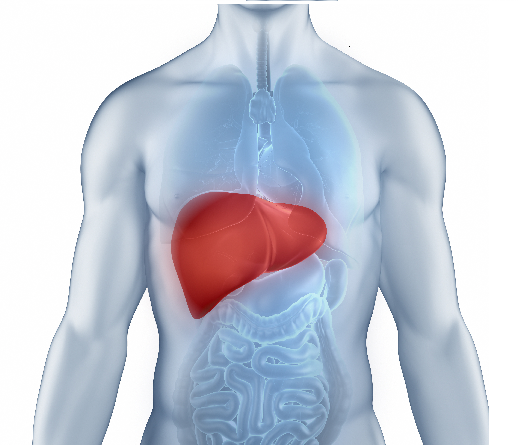
- Liver disease
- Obesity
- Lack of phosphates in the diet
- Climates with little exposure to sunlight
- Crohn’s disease or celiac disease
- Milk and milk products are missing from the diet
- Gastrointestinal disease or Gastric bypass surgery
- Antiseizure medications
Pregnant or breastfeeding women, along with individuals above 65 years of age, have a higher risk of osteomalacia.
What are the Tests for Osteomalacia?
For diagnosing Osteomalacia, doctors will conduct a physical check-up and ask for family and medical history. The recommended tests are:
- Blood tests: Blood tests are suggested to check the levels of vitamin D, calcium, phosphorus, creatinine, electrolytes, alkaline phosphatase, and parathyroid hormone.
- Urine test: This is performed to check the amount of calcium present in the urine. A doctor may suggest a 24-hour urine test.
- Bone marrow biopsy test: Doctors may perform this test to check the condition of the bones
- Bone mineral density scan: This scan helps to monitor bone loss from the body due to osteomalacia.
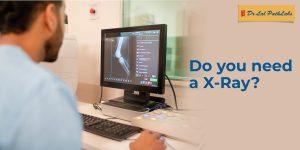
- Imaging tests: X-rays are suggested to gather osteomalacia symptoms like bone weakening or fractures.
What is Osteomalacia Treatment?
For Osteomalacia treatment, doctors recommend vitamin D, calcium or phosphorus supplements. But depending on the severity and symptoms of osteomalacia disease, vitamin D supplements may be suggested for a longer duration, and if an individual stops taking these, Osteomalacia can return.
Some other osteomalacia treatments include:
- Proper exposure to sunlight
- Vitamin D and calcium-rich diet
- Braces to reduce bone irregularities
- Surgery to correct bone deformities
Here are some helpful questions individuals can ask healthcare providers for a personalized treatment:
- Are dietary supplements enough to treat osteomalacia?
- What supplements enough to treat osteomalacia?
How to Prevent Osteomalacia?
When osteomalacia is detected early, doctors may suggest dietary supplements that help individuals recover within a few weeks. But the bones can take around six months to heal properly. To prevent osteomalacia, individuals can take the following measures:
- Getting enough direct sunlight, avoiding sun exposure without sunscreen. Doctors may suggest how much time an individual should spend in the sun.
- Maintaining a diet rich in vitamin D and calcium, like mushrooms, egg yolks, fatty fish like tuna or salmon
- Performing regular physical activity
- No smoking
- Moderation in alcohol consumption
Osteomalacia can be effectively managed and even prevented through vitamin D and calcium supplements, sunlight exposure, and a nutrient-rich diet. For consulting health experts or to book Osteomalacia tests from the comfort of your home, download Dr Lal PathLabs app today.
FAQs
1. What is osteomalacia disease?
Osteomalacia definition: It is a condition where bones soften and weaken due to improper mineralization, primarily from vitamin D deficiency.
2. What are the main osteomalacia symptoms?
The main osteomalacia symptoms include bone pain (especially in hips, lower back, pelvis, and legs), muscle weakness, difficulty walking or waddling gait, and easy fractures.
3. What tests are necessary for osteomalacia treatment?
Blood tests for vitamin D, calcium, phosphorus, alkaline phosphatase, and parathyroid hormone levels, X-rays, urine tests and occasional bone density scans are necessary for an effective osteomalacia treatment.
4. How long does it take to recover from osteomalacia?
Mostly, people feel better within a few weeks of taking calcium and vitamin D supplements. But for proper bone healing, it takes up to six months or sometimes longer, depending on the severity.
5. What foods are rich in vitamin D and calcium for osteomalacia?
Vitamin D-rich foods include oily fish (such as salmon and mackerel), fortified dairy products, egg yolks, and fortified cereals. And calcium-rich foods include milk, cheese, yogurt, and leafy green vegetables.