According to a global study published by the Institute for Health Metrics and Evaluation (IHME), India has the second-highest number of people with chronic kidney illnesses . Hydronephrosis is one such condition that affects hundreds of people in the country every year. This condition makes it difficult for the kidneys to get rid of excess water and can lead to complications if not addressed early on.
This article explores the hydronephrosis meaning, its causes, symptoms and management strategies.
What is Hydronephrosis?
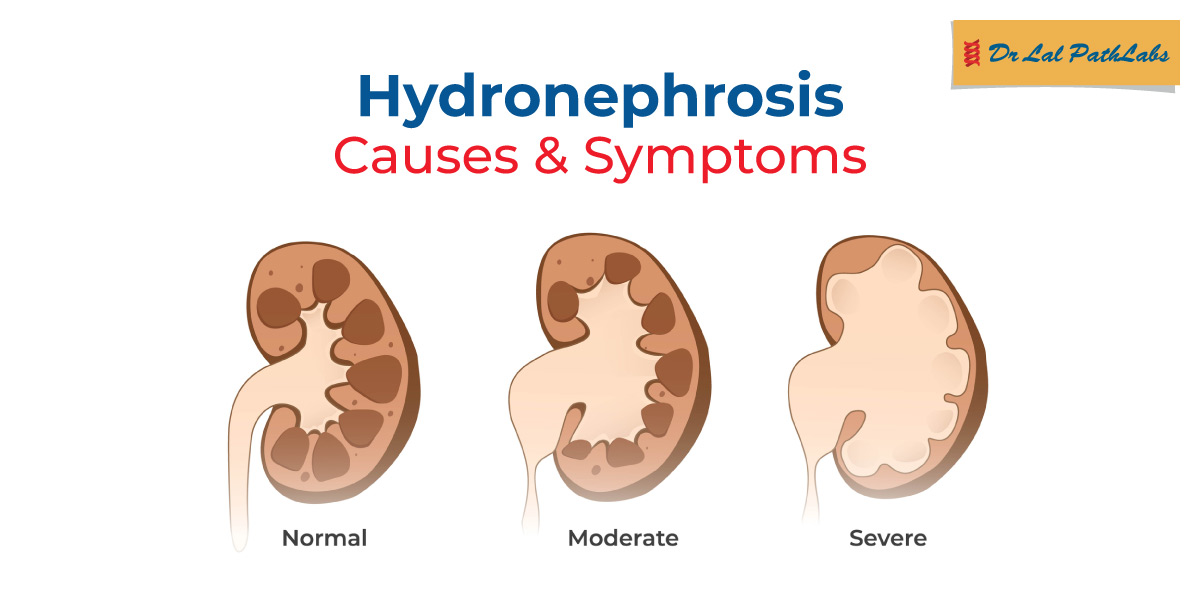
Hydronephrosis of the kidney is a condition where urine builds up inside the kidney because it cannot drain out properly into the bladder. This causes the kidney to stretch and swell, increasing internal pressure and affecting its ability to filter blood and remove waste.
Normally, the kidneys filter blood and release urine through the ureters into the bladder. In hydronephrosis, this flow gets obstructed, causing urine to back up and stretch the kidney.
Hydronephrosis can affect one kidney (unilateral) or both kidneys (bilateral). It can develop suddenly due to a blockage or gradually over time. The condition ranges from mild hydronephrosis, which may show minimal discomfort, to severe hydronephrosis, which can significantly damage kidney tissues without timely treatment.
What are the Causes of Hydronephroses?
There are multiple hydronephrosis causes, and they vary depending on age, medical history, and underlying health conditions. Common causes include:
- Kidney Stones: These are the most frequent triggers, as these stones can obstruct the ureter and block urine flow.
- Enlarged prostate: In men, an enlarged prostate can press upon the urethra and bladder outlet and result in urine backflow.
- Pregnancy: The growing uterus during pregnancy can temporarily compress the ureters.
- Urinary tract infections (UTIs): Severe inflammation due to a UTI can block urinary passages.
- Ureteral strictures: Narrowing of the ureters due to scarring can block regular urine flow and cause backflow into the kidneys.
- Congenital structural issues: Seen in infants where the kidney or ureter formation is abnormal from birth.
- Tumors: Growth-like tumors in any part of the urinary tract can obstruct urinary pathways.
What are the Main Hydronephrosis Symptoms?
Symptoms depend on whether the blockage develops gradually or suddenly. Some people may have mild symptoms, while others experience severe pain. Common hydronephrosis symptoms include:
- Pain in the lower back, side, or abdomen
- Nausea or vomiting
- Frequent urge to urinate
- Painful urination or burning sensation
- Difficulty passing urine or weak urine flow
- Blood in the urine
- Fever or chills if infection develops
- Swelling or pressure in the abdomen
In infants and young children, hydronephrosis symptoms can manifest as irritability, feeding difficulty and reduced urine output.
How is Hydronephrosis Diagnosed?
Hydronephrosis is usually diagnosed through a series of tests and analyses. These include:
- Hydronephrosis ultrasound: The first-line, non-invasive method to detect swelling and urine buildup.
- Urine analysis: Detects infection, blood, or abnormalities.
- Blood test for kidney function (KFT): Measures creatinine and urea levels.
- CT scan or MRI: Locates blockages such as stones or tumors.
- Voiding cystourethrogram (VCUG) for infants: Checks urine reflux from the bladder to the kidneys.
How to Manage Hydronephrosis?
Hydronephrosis treatment or management depends entirely on the cause and severity. The goal is to restore urine drainage and reduce pressure on the kidney.
Common management approaches include:
- Medication: To treat UTIs, reduce inflammation, or relieve pain.
- Stent placement: A small tube is inserted in the ureter to allow urine drainage past a blockage.
- Nephrostomy tube: Drains urine directly from the kidney when immediate relief is needed.
- Lithotripsy: A non-invasive technique that breaks kidney stones using shockwaves.
- Surgery: Required when structural abnormalities, tumors, or strictures are responsible.
- Prostate management: Medication or medical procedures for prostate enlargement in men.
- Monitoring mild hydronephrosis: In some cases, swelling reduces on its own once the temporary cause resolves.
Upon noticing any symptoms of hydronephrosis, it is important to consult with a healthcare professional and get a kidney function test for an accurate diagnosis and hydronephrosis treatment. Download the Dr Lal PathLabs app to book a test today!
Frequently Asked Questions
1. What are the symptoms of severe hydronephrosis?
Severe hydronephrosis can cause intense back or flank pain, persistent fever, nausea, reduced or blocked urine flow, and repeated urinary infections. If untreated, it may lead to long-term kidney damage.
2. Can hydronephrosis be treated without surgery?
Yes, most cases of hydronephrosis can be treated without surgery. If hydronephrosis is caused by kidney stones, infections, pregnancy-related pressure, or inflammation, medication and non-invasive treatment often resolve the swelling. Surgery is required only when complications or structural defects are present.
3. What complications can arise from hydronephrosis?
If untreated, hydronephrosis can lead to recurring infections, kidney scarring, chronic kidney disease, and permanent loss of kidney function. Severe cases may require long-term medical management or procedures to support kidney health.
4. Does hydronephrosis go away on its own?
Mild hydronephrosis caused by pregnancy, temporary blockages, or minor infections may resolve naturally with medical supervision. However, ignoring symptoms can still be risky.