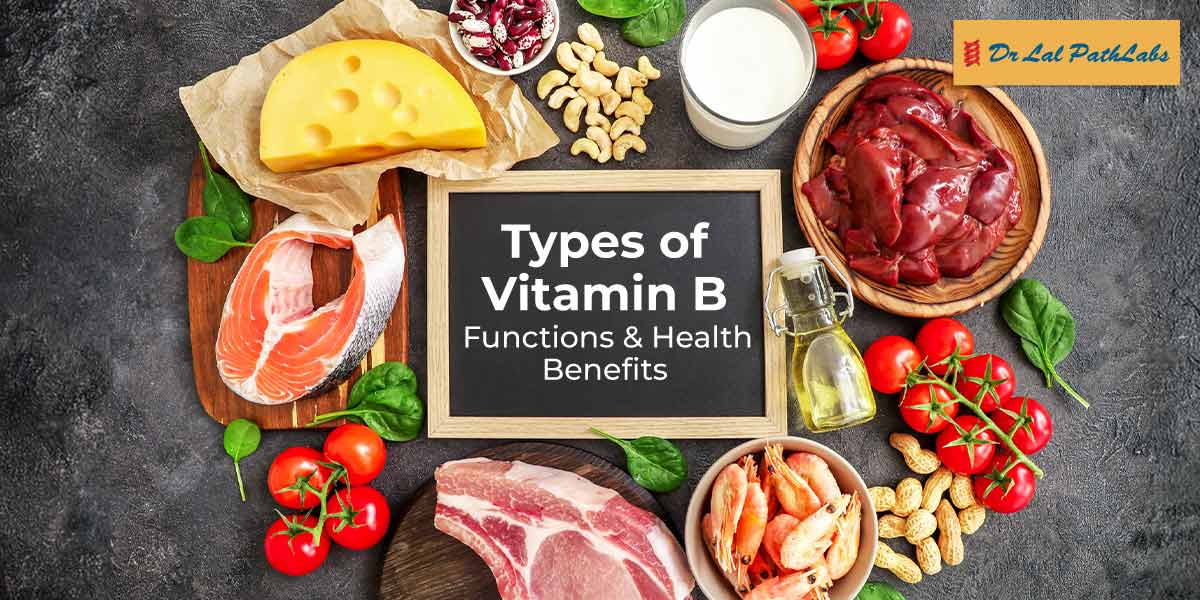
 The Vitamin B complex refers to the collection of water-soluble vitamins that are needed on a regular basis through diet or supplements to maintain good health. Knowing the types of Vitamin B, what they do, sources, and benefits highlights their role in healthier living.
What are the Types of Vitamin B?
The Vitamin B complex consists of eight distinct vitamins:
1. Vitamin B1 Thiamine
Functions:
- Supports carbohydrate metabolism, converting food into energy.
- Essential for nerve, muscle, and heart function.
- Vital for optimal brain function and coordination.
Sources:
- Whole grains, fortified cereals, legumes.
- Nuts, seeds, and lean meats such as pork.
- Sunflower seeds and fish.
Health Benefits:
- Helps maintain energy levels and reduces fatigue.
- Supports cognitive performance and nerve signalling.
- Prevents conditions such as beriberi and Wernicke-Korsakoff syndrome.
2. Vitamin B2 Riboflavin
Functions:
- Metabolism of fats, proteins, and carbohydrates.
- Maintains skin and eye health.
- Functions as an antioxidant by combating oxidative stress.
Sources:
- Dairy products such as milk and yoghurt.
- Eggs, green leafy vegetables, and almonds.
- Lean meats and fortified cereals.
Health Benefits:
- Supports healthy vision and reduces the risk of cataracts.
- Promotes glowing skin and proper tissue repair.
- Enhances energy production and reduces fatigue.
3. Vitamin B3 Niacin
Functions:
- Converts carbohydrates into glucose for energy.
- Supports proper function of the digestive and nervous systems.
- Aids in cholesterol regulation.
Sources:
- Poultry, fish, and lean red meat.
- Peanuts, legumes, and whole grains.
- Fortified cereals and seeds.
Health Benefits:
- Promotes healthy blood circulation and lowers bad cholesterol (LDL).
- Supports cognitive function and mental health.
- Helps manage conditions such as pellagra caused by a deficiency of Vitamin B3 niacin.
4. Vitamin B5 Pantothenic Acid
Functions:
- Plays a role in synthesising coenzyme A, vital for metabolism.
- Supports production of hormones and neurotransmitters.
- Contributes to the synthesis of haemoglobin and fatty acids.
Sources:
- Avocados, mushrooms, and sweet potatoes.
- Whole grains, eggs, and poultry.
- Broccoli, legumes, and fortified foods.
Health Benefits:
- Improves wound healing and stress management.
- Promotes skin health and reduces acne.
- Enhances energy metabolism and reduces fatigue.
5. Vitamin B6 Pyridoxine
Functions:
- Plays a critical role in protein metabolism.
- Supports the synthesis of neurotransmitters, including serotonin and dopamine.
- Aids in haemoglobin production for oxygen transport.
Sources:
- Bananas, chickpeas, and fortified cereals.
- Fish such as tuna and salmon.
- Potatoes, poultry, and dark leafy greens.
Health Benefits:
- Improves mood and cognitive performance.
- Reduces symptoms of premenstrual syndrome (PMS).
- Lowers the risk of anaemia and heart disease.
6. Vitamin B7 Biotin
Functions:
- Essential for healthy hair, skin, and nails.
- Supports metabolism of fatty acids, amino acids, and glucose.
- Plays a role in gene regulation.
Sources:
- Eggs, nuts, and seeds.
- Salmon, sweet potatoes, and mushrooms.
- Whole grains and spinach.
Health Benefits:
- Promotes strong nails and thick hair.
- Improves metabolic efficiency and blood sugar regulation.
- Supports neurological function and overall skin health.
7. Vitamin B9 Folate or Folic Acid
Functions:
- Crucial for DNA synthesis and repair.
- Supports cell division and growth.
- Helps in red blood cell production.
Sources:
- Green leafy vegetables (spinach and kale).
- Legumes, citrus fruits, and avocados.
- Fortified grains and cereals.
Health Benefits:
- Prevents congenital disabilities such as neural tube defects.
- Lowers heart disease risk by reducing homocysteine levels.
- Promotes healthy blood formation and reduces anaemia.
8. Vitamin B12 Cobalamin
Vitamin B12 cobalamin roles, sources, and benefits include:
Functions:
- Vital for nerve cell health and function.
- Aids in DNA synthesis and red blood cell production.
- Supports energy production and mental clarity.
Sources:
- Animal-based foods (fish, poultry, meat, eggs, and dairy).
- Fortified plant-based milk and cereals for vegetarians and vegans.
Health Benefits:
- Prevents megaloblastic anaemia.
- Enhances memory, focus, and neurological health.
- Supports heart health by regulating homocysteine levels.
Regular health check-ups help detect Vitamin B deficiencies early, allowing timely steps to maintain long-term wellness. Book a Vitamin B test and access reports conveniently through the Dr Lal PathLabs app.
FAQs
1. How many types of Vitamin B are there?
There are eight essential B vitamins collectively known as the Vitamin B complex.
2. What are vitamins B4, B8, B10, and B11?
These are non-essential or outdated terms, not officially recognised as part of the Vitamin B complex.
3. Is it better to take B12 or B complex?
The choice depends on individual needs. Consult a healthcare professional for guidance.