Prediabetes occurs when blood sugar is high but isn’t high enough to be classified as diabetes. It is a warning of type 2 diabetes. Without lifestyle changes, children and adults with prediabetes can develop type 2 diabetes. Fortunately, prediabetes is reversible.
This article discusses prediabetes, its causes, symptoms, diagnosis and how to reverse it before it turns into type 2 diabetes.
What is Prediabetes?
Prediabetes is a metabolic condition where a person’s blood sugar is high, but it’s not high enough to be considered as diabetes. With adequate lifestyle modifications, prediabetes can be reversed before it develops into type 2 diabetes.
What Causes Prediabetes?
The exact prediabetes causes are unknown. The bodies of people with prediabetes cannot process sugar effectively.
The body converts food into glucose, which enters the bloodstream. The insulin hormone made by the pancreas gland diverts this glucose into cells for energy and reduces its amount in the blood. In people with prediabetes, this process doesn’t work correctly, leading to a high blood sugar level. This can happen due to two reasons-
- The pancreas doesn’t make enough insulin.
- The body’s cells don’t respond to insulin normally, stopping the sugar from entering them.
What are the Symptoms of Prediabetes?
The early warning signs of prediabetes include:
- Increased thirst
- Frequent urination
- Increased hunger
- Tiredness
- Blurry vision
- Numbness or tingling in the feet or hands
- Frequent infections
What are the Risk Factors of Prediabetes?
The prediabetes risk factors include:
- Weight: Being overweight indicates a higher risk of prediabetes. The fat between the muscles and skin around the abdomen can cause insulin resistance.
- Large Waist: A large waist size (above 40 for men and 35 for women) increases the risk of developing insulin resistance.
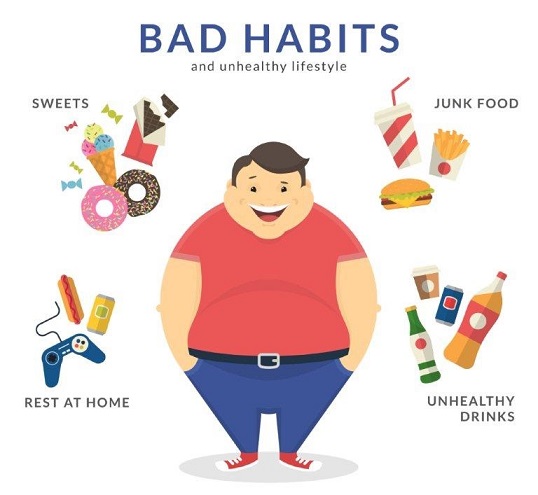
- Diet: Regularly consuming red/processed meat and sugary drinks increases the risk of prediabetes.
- Inactivity: High inactivity levels indicate a higher risk of developing prediabetes.
- Age: Adults over the age of 35 are at a higher risk of prediabetes.
- Family History: Having a parent or sibling with diabetes increases the risk of developing prediabetes.
- PCOS: Women suffering from polycystic ovary syndrome (irregular periods, excessive hair growth and obesity) are at a higher risk of prediabetes.
- Sleep: People with obstructive sleep apnoea have a higher probability of developing resistance to insulin and, hence, prediabetes.
- Smoking: Smoking can contribute to developing insulin resistance and raise the risk and complications of diabetes.
How is Prediabetes Diagnosed?
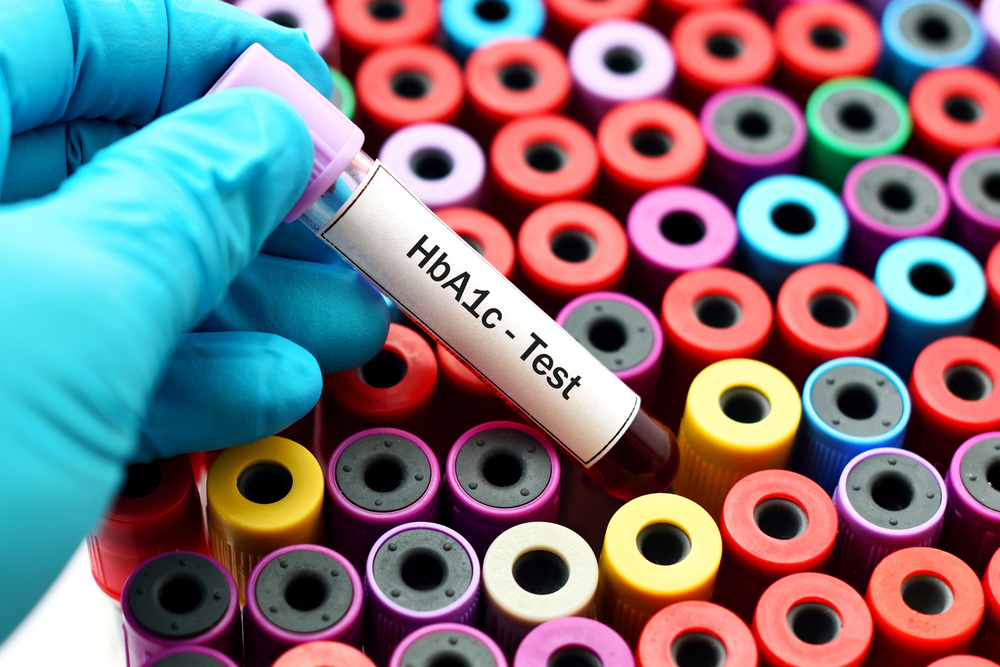
Doctors prescribe blood tests for diagnosing prediabetes. These include:
This prediabetes test provides the average blood sugar level over two or three months. The results are given in percentages, and values between 5.7% and 6.4% indicate prediabetes.
This blood sugar test is done after at least eight hours of fasting. The values are given in mg/dL. A value between 100 and 125 indicates prediabetes.
In this test, the patient drinks sugary drinks after eight hours of overnight fasting. Blood sugar levels are then periodically tested every two hours, and the results are given in mg/dL. Values between 140 to 199 can indicate prediabetes.
How to Reverse Prediabetes?
To reverse prediabetes, one must follow the lifestyle modifications given here.
- Eat Healthy Foods: A diet low in calories and fat and high in fibre (fruits, vegetables, nuts, olive oil) can lower the risk of prediabetes.
- Be More Active: Regular physical activity helps control weight, uses sugar, and helps the body utilise insulin effectively. This lowers the risk of developing insulin resistance and prediabetes.
- Stop Smoking: Smoking can affect insulin resistance. Stopping smoking can improve insulin utilisation and reduce prediabetes risk.
- Lose Excess Weight: For overweight people, reducing five to seven per cent of body weight reduces the chances of getting prediabetes and type 2 diabetes significantly. The aim should be to implement diet and lifestyle changes to lower the weight permanently.
Also read about Prediabetes Diet
Prediabetes does not inevitably progress to type 2 diabetes if proper lifestyle changes are implemented. Hence, it should be considered as a wake-up call. Upon noticing the prediabetes symptoms given here, one must consult a doctor without delay and book a glucose fasting test at Dr Lal PathLabs.
FAQs
1. Is prediabetes reversible?
Prediabetes is reversible through adequate lifestyle changes such as eating healthy food, reducing excess weight, engaging in regular physical activity and stopping smoking.
2. For what values of fasting glucose test is prediabetes diagnosed?
A fasting glucose value between 100 mg/dL and 125 mg/dL can indicate prediabetes.
3. What are the possible complications of prediabetes?
In prediabetes, the damage associated with type 2 diabetes has already begun. The main complication of prediabetes is developing type 2 diabetes. The complications associated with type 2 diabetes are as follows:
- Heart attack and stroke
- Eye issues
- Kidney problems
- Nerve damage