 Anemia is a medical condition in which the concentration of red blood cells (RBCs) or the haemoglobin is less than normal in the body.
India accounts for the highest number of anemic individuals globally, according to the National Library of Medicine. As per the fifth National Family Health Survey, the prevalence of anemia is 25% in men and 57% in women, making it a significant health concern in India.
Let’s understand what is anemia, how to cure it, how it can be diagnosed, and what are its causes and symptoms.
What is Anemia?
Anemia is a condition when blood produces a lower-than-normal amount of healthy red blood cells. RBCs contain haemoglobin, an iron-rich protein that carries oxygen from the lungs to different organs and tissues of the body.
Deficiency of RBCs or haemoglobin reduces the blood’s capacity to carry oxygen to the vital parts of the body, which is required for their proper functioning. The most common effects of anemia include fatigue, dizziness, and shortness of breath.
Read more about iron deficiency
What Causes Anemia?
On average, the bone marrow produces 2 million RBCs per second, and the same amount is removed from the blood. When the destruction of RBCs is more than their production, the level of RBCs in the blood reduces, leading to conditions like anemia. The causes for this decrease in red blood cells can be inherited or acquired.
Some of the acquired anemia causes are:
- Inadequate intake of nutrients like iron, folate, and vitamin B12 that increase RBCs production
- Blood loss due to accidents and injuries, menstruation, nose bleeds, or childbirth
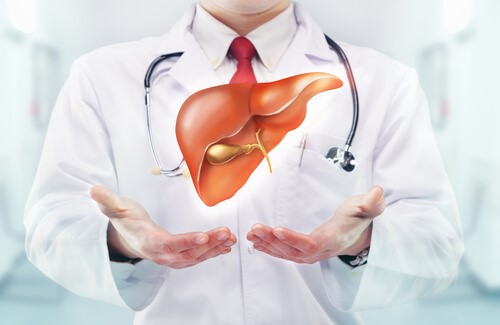
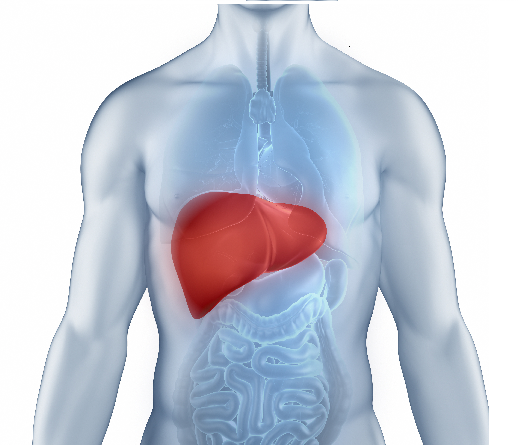
- Liver disease such as hepatitis or cirrhosis
- Chronic diseases like kidney disease or cancer
- Bone marrow problems
- Infections like HIV, tuberculosis, or malaria
- Certain medications or treatments
- Exposure to toxins like lead
Some of the inherited causes include:
- Pyruvate kinase deficiency
- Schwachman-Diamond syndrome
- Dyskeratosis congenita
- Sickle cell disease
- Thalassemia
What are the Risk Factors of Anemia?
Certain risk factors associated with anemia are:
- Eating a diet that lacks iron, folate, or vitamin B12
- Heavy blood flow during menstruation
- Pregnancy
- Being over the age of 65
- Family history of genetic conditions that can cause anaemia
- Heavy consumption of alcohol
- Frequent exposure to toxic chemicals
What are the Symptoms of Anemia?
Some of the common anaemia symptoms include:
- Tiredness
- Irregular heartbeat
- Shortness of breath
- Light-headedness
- Cold feet and hands
- Headaches
- Pale skin, nails, or gums
- Chest pains
How can a CBC Test Help Detect Anemia?
For anaemia diagnosis, doctors first examine the patient’s and their family’s health history, followed by a physical exam and blood tests. A common anaemia test is the Complete Blood Count (CBC) test.
A CBC test measures the amount of red blood cells and haematocrit, which is the percentage of blood volume that consists of RBCs. It also measures the haemoglobin in the RBCs and their physical characteristics.
Normal haemoglobin levels are 14–18 g/dL for men and 12–16 g/dL for women. Typical haematocrit values range from 40–52% in men and 35–47% in women. And a healthy RBC count is 4.5–6.1 million cells/mcL in men and 4–5.4 million cells/mcL in women.
CBC test results below these normal ranges indicate anaemia in the body.
How to Manage Anemia?
Anaemia caused by inadequate intake of iron, folate, and vitamin B12 can be managed by making dietary adjustments. One should eat foods like green leafy vegetables, meat, seafood, fortified cereals, lentils, eggs, and asparagus or take nutrient supplements after consulting their health care providers.
Regular exercise, proper hygiene, and drinking plenty of water also help in managing the symptoms.
In case of severe anaemia, doctors may prescribe certain drugs or long-term treatments to boost the production of RBCs in the body.
Conclusion
Anaemia can lead to severe health complications if left untreated. Having a proper understanding of its symptoms and causes is important for appropriate treatments and making lifestyle changes.
If one notices symptoms of anaemia, they must consult their healthcare provider and book a CBC test with Dr Lal PathLabs for accurate diagnosis and treatment.
FAQs
1. What are the side effects of anemia?
Some of the side effects of anaemia are weakness, shortness of breath, cold hands and feet, headaches, and dizziness.
2. What results on a CBC could indicate anemia?
The CBC anaemic levels for haemoglobin are less than 14 grams in men and less than 12 grams in women. In case of haematocrit, it is less than 40% in men and less than 35% in women.
3. What foods are good for anemia?
Foods rich in iron, folate, and vitamin B12 are good for anaemia. These foods include green leafy vegetables, meat, seafood, nuts, seeds, and beans.