Anemia is a pervasive disorder that affects thousands of people across India. According to the National Family Health Survey, well over 50% of women and children in India suffer from Anemia.
The blood disorder—caused by a lack of healthy red blood cells (RBCs)—can cause symptoms ranging from mild headaches to fatigue and fainting spells. If untreated, it may even prove fatal for some people.
This article explains the causes, symptoms, and diagnosis methods for Anemia.
What is Anemia?
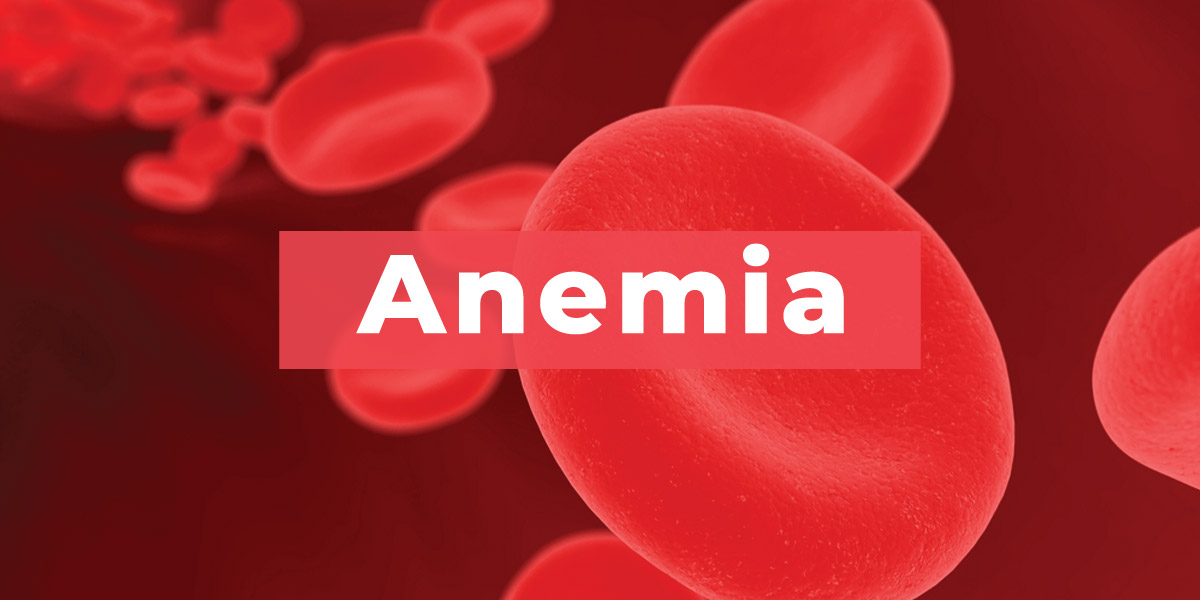
Anemia is a blood disorder in which an individual suffers from a deficit of healthy blood cells in the blood to carry oxygen. A dysfunction or lack of healthy RBCs can cause the condition.
Anemia can be of two major types:
- Acquired Anemias: This type of Anemia is acquired by a person sometime during their lifetime and can be caused by external factors. It includes Macrocytic Anemia, Normocytic Anemia, and Pernicious Anemia, among others.
- Inherited Anemias: This type of Anemia is present in a person from birth. It includes Sickle Cell Anemia, Thalassemia, and Fanconi Anemia, among others.
Some other types of Anemia can be inherited and acquired, such as Haemolytic Anemia and Sideroblastic Anemia.
What are the Risk Factors of Anemia?
Individuals belonging to certain demographics are at greater risk of suffering from Anemia. These risk factors can include:
- Old age, especially over 65 years
- Having a family history of inherited Anemia
- Regularly experiencing heavy blood loss while menstruating
- Not taking folic acid or iron multivitamins while pregnant
- Not having sufficient amounts of iron, folate, and Vitamin B-12 in diet
- Taking certain medications that can affect red blood cell production
- Suffering from certain chronic diseases, such as diabetes, kidney failure, cancer, etc.,
- Having a condition that affects the small intestine, such as Crohn’s disease or celiac disease
- Consuming excessive alcohol
What are the Symptoms of Anemia?
Anemia symptoms can include:
- Fatigue
- Headaches
- Chest pains
- Shortness of breath
- Fainting
- Rapid or irregular heartbeat
- Cold hands and feet
- Pale skin
- Feeling dizzy or lightheaded
Certain types of Anemia may cause additional symptoms, such as:
- Tongue inflammation
- Brittle nails
- Concentration troubles
- Enlarged spleen, liver, or lymph nodes
- Abnormal cravings, such as craving clay or dirt
What are the Causes of Anemia?
Causes of Anemia can vary based on the type of Anemia that an individual has. Anemia causes can be divided into two major categories:
- Factors that decrease red blood cell production: Decreased RBC production can lead to more red blood cells exiting the body than entering circulation. It can be caused by acquired factors (inadequate intake of iron, Vitamin B-12, or folate, hypothyroidism, exposure to toxins, etc.) or inherited factors (Fanconi Anemia, Schwachman-Diamond Syndrome, etc.)
- Factors that increase red blood cell destruction or loss: Anemia can also be caused when RBCs are destroyed or lost faster than they can be produced. Acquired factors can include blood loss due to injury, menstruation, childbirth, etc., liver diseases, infections like malaria, etc. Inherited factors include Sickle Cell Anemia, Thalassemia, G6PD deficiency, etc.
How is Anemia Diagnosed?
To diagnose Anemia, a healthcare professional will ask the affected person about all the symptoms they are experiencing and examine their individual and family medical history. An Anemia diagnosis may include various blood tests, such as:
- A Complete Blood Count (CBC) to examine the individual’s blood cells and the size and shape of the red blood cells.
- A haemoglobin test to measure the amount of haemoglobin in the blood.
- A haematocrit test to measure the percentage of red blood cells in the blood.
- A peripheral blood smear to examine the size and shape of the individual’s red blood cells.
- A reticulocyte count to evaluate whether the bone marrow is producing the appropriate amount of healthy red blood cells.
It is vital for people to be familiar with Anemia causes and symptoms. Timely diagnosis and appropriate care can help affected individuals live healthy lives. Upon noticing symptoms of Anemia, consult a healthcare professional and book an Anemia test with Dr Lal PathLabs.
FAQs
-
Can Anemia lead to health complications?
Untreated Anemia may cause health complications such as severe fatigue, arrhythmia (fast or irregular heartbeat), organ damage, and pregnancy complications, such as premature birth. Extensive blood loss in severe Anemia cases may even lead to death.
-
How can Anemia be prevented?
A healthy diet rich in folate, iron, and Vitamins B-12 and C can help prevent Anemia. Foods such as meats, dark green leafy vegetables, kidney beans, and tomatoes are good additions to one’s diet. Iron supplement tablets can also help prevent Anemia.
-
Are there any side effects to taking iron tablets?
Iron tablets may cause side effects such as nausea and stomach aches when a person first starts taking them. These symptoms usually disappear after a few weeks of regularly consuming the tablets.