Liver disease is a widespread and debilitating condition affecting millions worldwide. According to the Eurasian Journal of Hepato-Gastroenterology and 2017 data from the World Health Organization (WHO), liver disease accounts for 2.95% of total deaths in the country and one-fifth of all cirrhosis-related deaths across the globe.
There are several types of liver problems, and many are treatable through changes in diet and lifestyle. However, more severe types may require lifelong medication. Early diagnosis and treatment are necessary to prevent permanent damage and other complications. This article will discuss liver disease and its stages, symptoms, and causes.
What is Liver Disease?
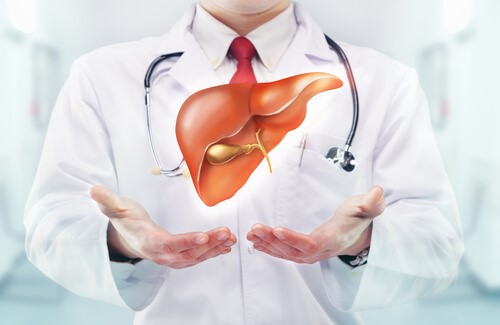
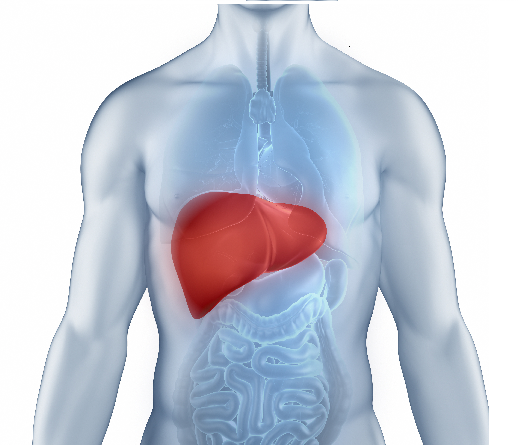
The liver is the largest internal organ. It is responsible for several crucial functions, including filtering toxins from the blood, producing bile, regulating blood sugar, and boosting immunity. However, exposure to toxins can damage the liver, reducing its ability to function correctly. Liver disease refers to several conditions that prevent the organ from functioning correctly or chronic conditions that damage the liver over time.
What Causes Liver Disease?
Some causes of liver disease include:
- Viral infections
- Excessive alcohol usage
- Chronic exposure to toxins, chemicals, or drugs
- Metabolic conditions
- High blood sugar or lipids
- Obesity
- Biliary stasis
- Autoimmune and cardiovascular diseases
Other risk factors include regular use of intravenous drugs or exposure to the blood and bodily fluids of different people.
What are the Stages of Liver Disease?
The severity of liver disease can vary depending on how far it has progressed, with the liver’s ability to function becoming increasingly affected at each stage. The stages of liver disease are:
1. Stage 1: Hepatitis or Inflammation
This is the first stage of liver disease, characterised by the liver’s enlarging or inflammation (also known as hepatitis). It is the liver’s response to toxicity or injuries, an attempt to combat infection and heal.
Acute hepatitis (a temporary and immediate response) can help to heal injury, toxicity, or infection. However, prolonged or chronic hepatitis can cause scarring or fibrosis. Some symptoms include:
- Fatigue
- Nausea, weight loss, and vomiting
- Loss of appetite
- Pain or bloating in the abdominal region
- Low-grade fever and itching
- Jaundice
- Dark urine and pale or clay-coloured stool
2. Stage 2: Fibrosis
Fibrosis is the gradual stiffening of the liver caused by scar tissue building up on an inflamed liver. This scar tissue replaces healthy liver tissue, affecting the liver’s ability to function and reducing blood flow to the organ and access to oxygen and nutrients. Some signs of fibrosis are:
- Loss of appetite
- Fluid buildup in the stomach or legs
- Jaundice
- Nausea and unexplained weight loss
- Weakness
3. Stage 3: Cirrhosis
If liver fibrosis continues to progress, it reaches a stage where it can no longer be reversed. This stage is referred to as liver cirrhosis. It is characterized by severe and permanent scarring, and the organ no longer has sufficient healthy cells. The liver tissue is also no longer able to regenerate. Along with the signs mentioned above, some symptoms of liver cirrhosis include:
- Spider angiomas (spidery red veins on the skin)
- Jaundice and easily bruised skin
- Palmar erythema (reddening of the palms)
- Hair loss
- Internal bleeding (vomiting blood and dark stool)
- Disturbed sleep and cognitive issues
- Hormone problems
4. End-Stage Liver Disease (ESLD)
ESLD refers to conditions like advanced cirrhosis, stage 4 hepatitis C, or chronic liver failure. During this stage, liver disease has progressed significantly and can only be treated with an organ transplant. Some symptoms of ESLD include:
- Abdominal swelling
- Reduced brain function (known as hepatic encephalopathy)
- Leg swelling
- Bleeding from certain abnormal blood vessels in the stomach and oesophagus
5. Liver Failure
Liver failure occurs when the liver cannot function and meet the body’s needs. Also known as ‘decompensated liver cirrhosis’, the liver cannot perform vital functions, like producing bile or clearing toxins from the blood. Without a liver transplant, this condition is often fatal. However, it is essential to note that liver disease does not always lead to liver failure. Along with the symptoms mentioned above, some signs of liver failure are:
- Pain in the upper right abdomen
- Fatigue and general malaise
- Jaundice
- Small, yellow fat deposit bumps on the skin or eyelids
- Hepatic encephalopathy
- Easy bruising and bleeding
- Musty-smelling breath
- Motor dysfunction
- Shortness of breath
- Vomiting blood
- Vomit that resembles coffee grounds
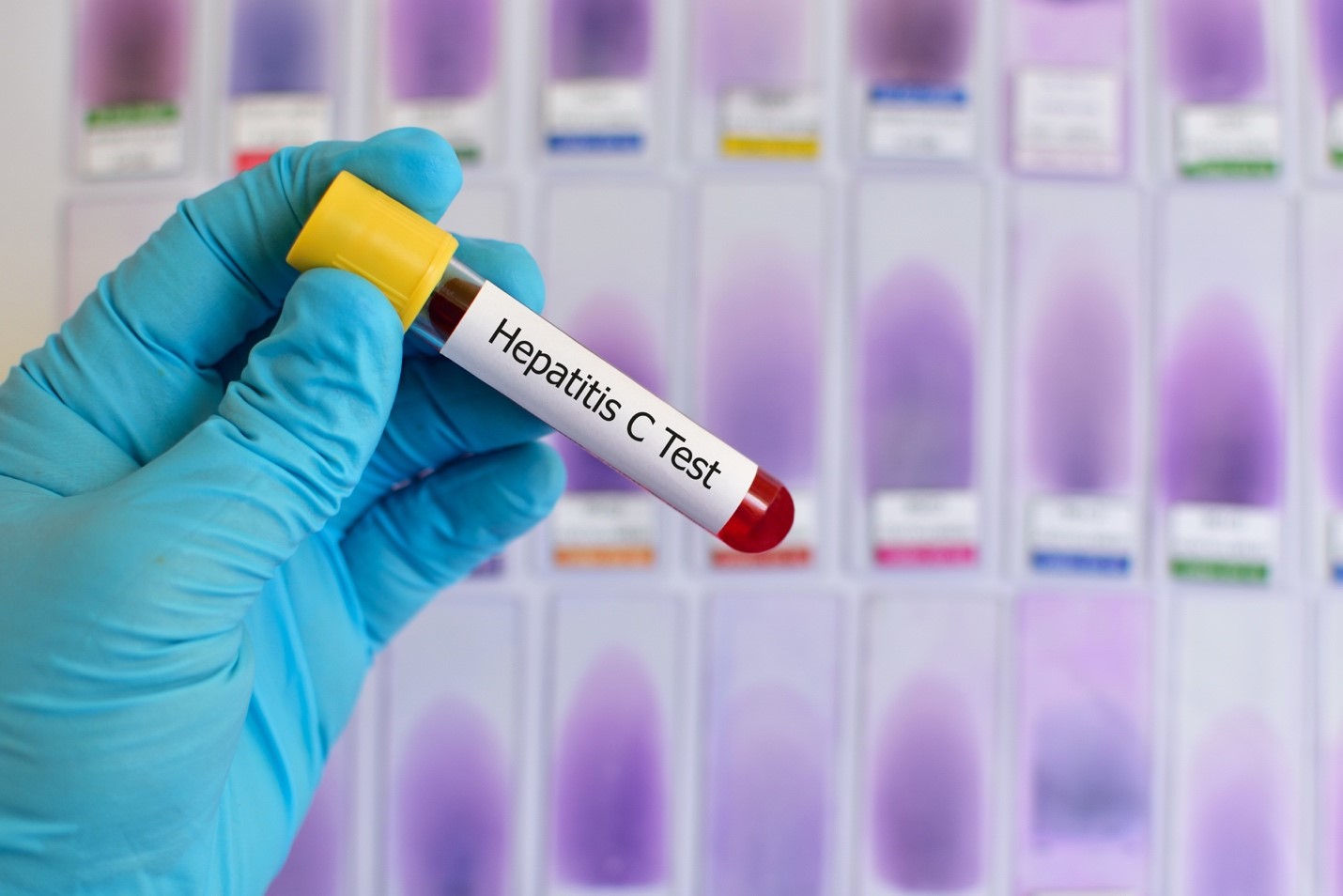
Doctors diagnose liver disease by reviewing a patient’s health and family history, symptoms, and lifestyle habits. Some tests include imaging tests, blood tests, endoscopies, and liver biopsies. If someone is experiencing symptoms of liver disease, it is crucial to consult a healthcare provider promptly and schedule liver function tests with Dr Lal PathLabs for accurate diagnosis and care.
FAQs
1. Can liver damage be cured?
Depending on the severity and cause, liver damage can be ccured with treatment or liver transplants.
2. What are the warning signs of liver disease?
Some signs of liver disease are jaundice, fatigue, nausea, impaired cognitive function, easy bruising and bleeding, and more.