Symptoms of Prediabetes
Prediabetes significantly increases the risk of developing severe conditions like stroke, heart disease, and type 2 diabetes. Recognizing prediabetes symptoms early can help individuals take timely action. This article explores the symptoms, causes, and diagnosis of prediabetes to empower you with vital information for better health management.
What is prediabetes?
Prediabetes occurs when blood glucose levels are higher than normal but not high enough to be classified as type 2 diabetes. It is an intermediate stage, signaling a need for lifestyle changes to prevent diabetes.
With healthy habits such as maintaining a balanced diet, regular physical activity, and managing weight, the risk of progressing to diabetes can be significantly reduced.
What causes prediabetes?
Prediabetes is influenced by various factors, including:
- Insulin Resistance: Reduced effectiveness of insulin in regulating blood sugar.
- Obesity: Excess body fat contributes to insulin resistance.
- Family History: A genetic predisposition increases susceptibility.
- Lack of Physical Activity: Reduces the body’s ability to manage blood sugar.
- Age: The risk rises, particularly after age 45.
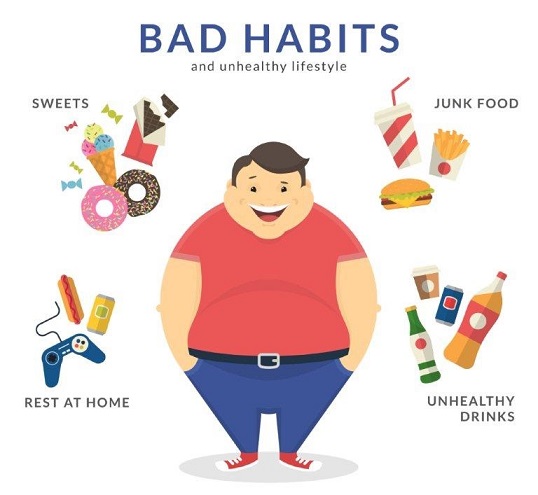
- Unhealthy Diet: Consuming refined sugars and processed foods.
- Poor sleep: Affects insulin sensitivity and glucose metabolism.
- Hormonal Fluctuations: Conditions like polycystic ovary syndrome (PCOS).
- Other Health Conditions: Hypertension and high cholesterol levels.
Also, read about the prediabetes diet
What are the risk factors for prediabetes?
If left unaddressed, prediabetes can lead to:
- Type 2 Diabetes
- Cardiovascular Diseases
- Kidney Damage
- Nerve Damage (Neuropathy)
- Eye Complications
- Foot Ulcers
What are the signs and symptoms of prediabetes in females and males? (H2)
Prediabetes often presents without clear symptoms, making it crucial to watch for subtle signs:
- Increased Thirst: Due to the body’s attempt to flush out excess sugar.
- Frequent Urination: Caused by the kidneys working harder to regulate glucose.
- Fatigue: Resulting from ineffective glucose usage for energy.
- Blurred Vision: Temporary changes in the eye lens due to fluctuating glucose levels.
- Increased Hunger: Persistent hunger despite eating, as cells fail to use glucose effectively.
- Slow Wound Healing: High sugar levels impair circulation and healing.
- Tingling or Numbness: Early signs of nerve damage due to elevated blood sugar.
- Skin Changes (Acanthosis Nigricans): Dark, thick patches of skin on the neck or armpits linked to insulin resistance.
If you experience these symptoms, consult a healthcare provider for advice and testing.
How is prediabetes diagnosed?
Early detection through diagnostic tests is crucial to managing prediabetes. Common tests include:
- Fasting Plasma Glucose (FPG) Test:
- Requires overnight fasting.
- Blood glucose levels between 100–125 mg/dL indicate prediabetes.
- Oral Glucose Tolerance Test (OGTT):
- Involves fasting, drinking a glucose solution, and measuring blood sugar after two hours.
- Levels between 140–199 mg/dL suggest prediabetes.
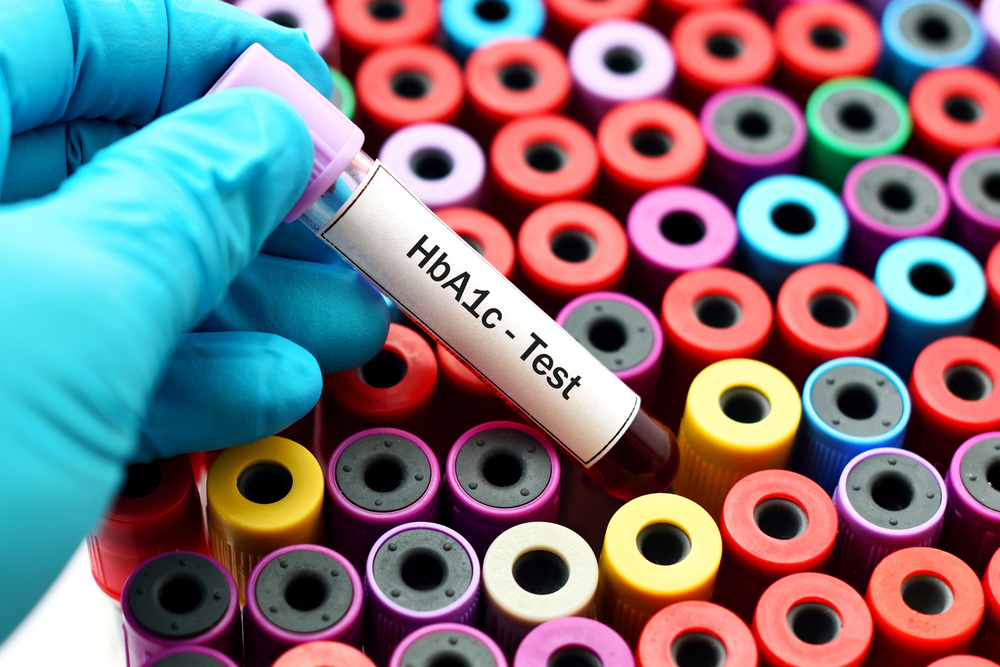
- Haemoglobin A1c Test:
- Measures average blood sugar levels over 2-3 months.
- An A1c of 5.7–6.4% indicates prediabetes.
Understanding what prediabetes is, its symptoms and its causes can empower you to take preventive steps. By adopting a healthy lifestyle—regular exercise, a balanced diet, and adequate sleep—you can manage blood sugar levels and lower the risk of type 2 diabetes. Early diagnoses are essential to improving health outcomes.
If you suspect a pre-diabetic condition, consult your doctor and undergo recommended diagnostic tests to take control of your health.
For more Schedule a glucose fasting test with Dr Lal PathLabs for early detection and timely intervention.
FAQs
1. What is the fastest way to treat prediabetes?
The fastest way to address prediabetes is by committing to a healthy lifestyle. Focus on a balanced diet with whole foods, engage in regular exercise, limit sugary foods and beverages, and monitor blood sugar levels. Consult a doctor for proper guidance.
2. Does prediabetes go away?
In some cases, it is possible to reverse prediabetes by adopting a healthy lifestyle. It is important to consult a doctor to get personalised advice and management measures.
3. Is prediabetes serious?
Prediabetes is serious, as it can lead to the development of diabetes and associated health problems.